News

Share


The BC home flipping tax may have been introduced to curb speculation and improve housing affordability, but some experts say it is already backfiring on all parties involved—discouraging investment and limiting supply, all while keeping rental prices exceedingly high.
We spoke with Melanie Erickson, a real estate representative with Royal LePage Advance Realty, to understand how the policy is playing out on the ground.
Missing the mark: "The BC home flipping tax is being sold as an affordability fix, but it’s more likely to reduce inventory, slow down the market, and make it even harder for buyers," Erickson says. "Renters aren’t winning either—if investors aren’t flipping, they’re either holding onto properties or leaving the market entirely, which does nothing to bring rents down."
Statistics Canada reports that between 2019 and 2021, only 2.8% of BC homes were flipped within a year of purchase, suggesting that flipping constitutes a minor segment of the market and not a major factor in the affordability crisis.
If the goal is truly to improve affordability, Erickson suggests a different approach. "We should be incentivizing more housing supply—not punishing investors who help bring homes to market."
Small investors bear the brunt: "This tax is definitely making a lot of investors think twice about buying properties for short-term resale," Erickson explains.
The tax, which imposes a 20% tax on profits from residential properties sold within one year of purchase (and decreases incrementally over two years), unintentionally singles out the little guy.
"It hurts small investors the most," Erickson points out. "The big developers will be fine, but everyday investors are the ones getting squeezed. With extra costs and tax penalties, the whole market could slow down, which isn’t good for buyers or sellers."
No benefits for renters: One of the top justifications for the tax was to improve affordability for renters, but Erickson says that is far from what’s playing out.
"Renters aren’t benefiting either," she says. "Many investors are holding onto properties and turning them into rentals instead of selling, but that doesn’t necessarily mean more affordable rents. In fact, with fewer rental properties being added to the market, it could keep rents high or even push them higher."
"The idea that this tax will help renters doesn’t add up," Erickson adds. "If anything, it shrinks the number of rental homes hitting the market and discourages investment, which keeps rental prices high instead of bringing them down."
Investors shift their approach: "Buyers and investors are changing their approach to work around the tax," Erickson says. "Some investors are shifting to rentals instead of flipping, which means fewer homes are available for buyers. But again, this doesn’t mean cheaper rent—if anything, it tightens the rental market even more."
Investors and buyers are finding ways to adapt, but these changes may not lead to the affordability improvements the government hoped for.
"Buyers who might’ve flipped after a year or so are locking into longer mortgages instead, since they know they need to hold onto properties for at least two years to dodge the tax," Erickson notes.
Meanwhile, some investors are simply looking elsewhere. "Some clients who would’ve been active in BC are now looking at other provinces where these kinds of penalties aren’t in place."
A less flexible market: "The government is pitching this as a way to make housing more affordable, but it could do the exact opposite," Erickson warns. "When there are fewer homes available, prices tend to go up, not down. If flippers stop renovating and selling, buyers will have fewer choices."
First-time homebuyers may be particularly affected, as many rely on move-in-ready homes—often the result of investors fixing up outdated properties. "If those homes aren’t being flipped, buyers may have to settle for fixer-uppers they can’t afford to renovate," Erickson explains.
The tax is also slowing down transactions, making the market less dynamic. "If people aren’t selling as often because they’re worried about tax penalties, we could see less movement overall, making it harder for people to upsize, downsize, or relocate."
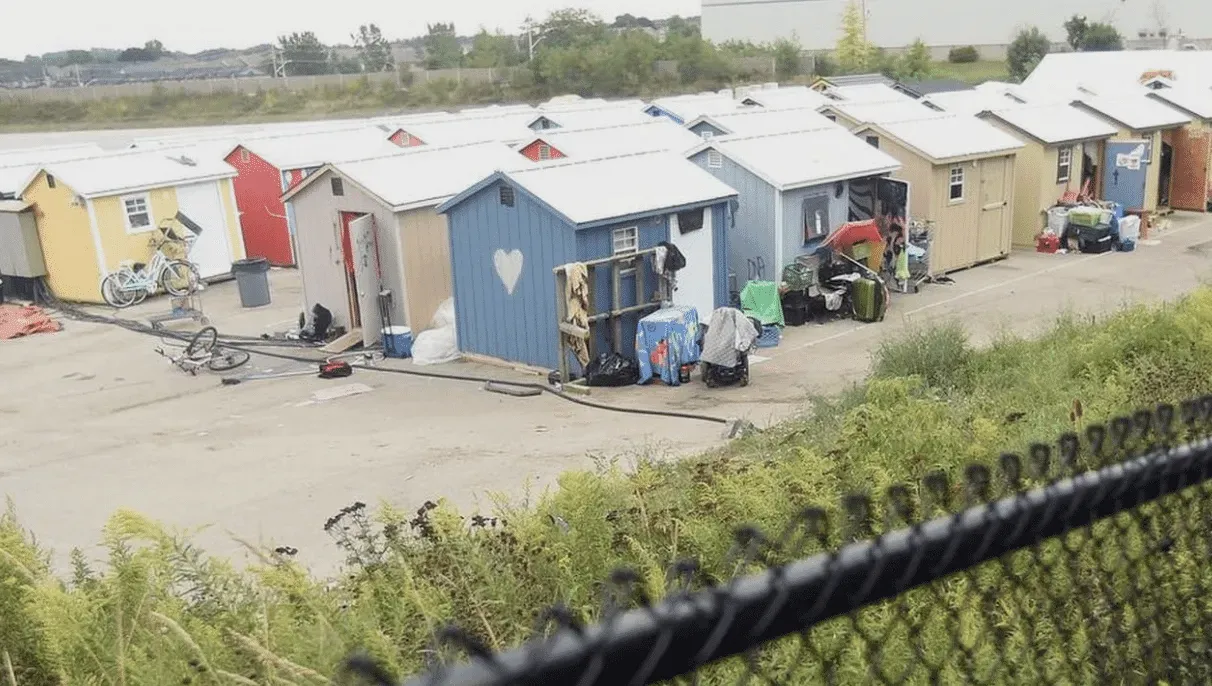
Volunteers unite to protect a vital homeless support service in Kitchener.

The technology behind Canada’s Olympic House could influence future homes.

Discover whether Toronto is truly ready for high-density living, why buyer expectations are changing, and what experts say this means for future homebuyers.

Canada plans to use public land to accelerate affordable housing development.

How Bank of Canada rate cuts could impact housing affordability in Vancouver.

Tesla’s home technology allows families to generate income from solar energy.


