News

Share


Starting January 2025, British Columbia implemented a home flipping tax aimed at slowing down short-term speculative property investments. While this might help with home availability in the affordability crisis, some real estate experts debate whether this is the right move for the economy.
According to Jatinder Grewal, an agent with EXP Realty - Team GRC, and Shekhar Neupane, of Woodhouse Realty, the tax is having a significant impact on how investors approach property deals (sometimes for better or worse).
The flipping tax’s initial landing: As BC’s flipping tax starts to take hold in its initial months, Grewal explains the immediate impact: "This policy will cool short-term speculative investments, especially from those looking for quick, high-margin flips. We’ll likely see a shift toward more extended holding periods, with investors focusing more on value-add strategies than quick resales."
She also notes that the tax could help home prices, but it comes with some trade-offs. "In the long term, this could help stabilize home prices by reducing rapid turnover and artificial inflation caused by repeated flips. However, it may also reduce the number of renovated homes hitting the market, limiting move-in-ready options for buyers."
Pivoting buying strategies: On the financing side, Grewal anticipates a shift in investor behavior, adding, "I expect more clients to consider longer-term mortgages and hold strategies instead of short-term bridge financing. Some investors may pivot toward rental properties rather than traditional flips, especially in areas with strong rental demand."
Negative impacts: Neupane takes a more critical stance on the tax, emphasizing its immediate effect on short-term property investments: "BC’s home flipping tax absolutely killed the demand for short-term property investment. Simply, there is no profit for doing it." He is concerned about the long-term effects on the market stating, "This will have a long-term impact in terms of supply. No one is interested in doing business where you are treated as a bad person."
Imbalanced housing supply: Neupane also sees a shift in investment strategies as a result of the tax. "Investors who previously put money into properties requiring substantial renovations are no longer interested due to a lack of incentive. Instead, they are now seeking other types of properties for long-term investment."
With new developments facing obstacles due to interest rates and other governmental red tape, Neupane warns, "We are currently facing a situation where new developments have significantly decreased over the past two or three years due to high interest rates and other factors, which is likely to disrupt the supply of housing units."
While both Grewal and Neupane acknowledge that the policy is designed to bring more stability to the market, they express concern about its potential to exacerbate the ongoing housing supply issues. As Grewal puts it, "Whether it significantly improves affordability remains to be seen—supply is still the key issue."
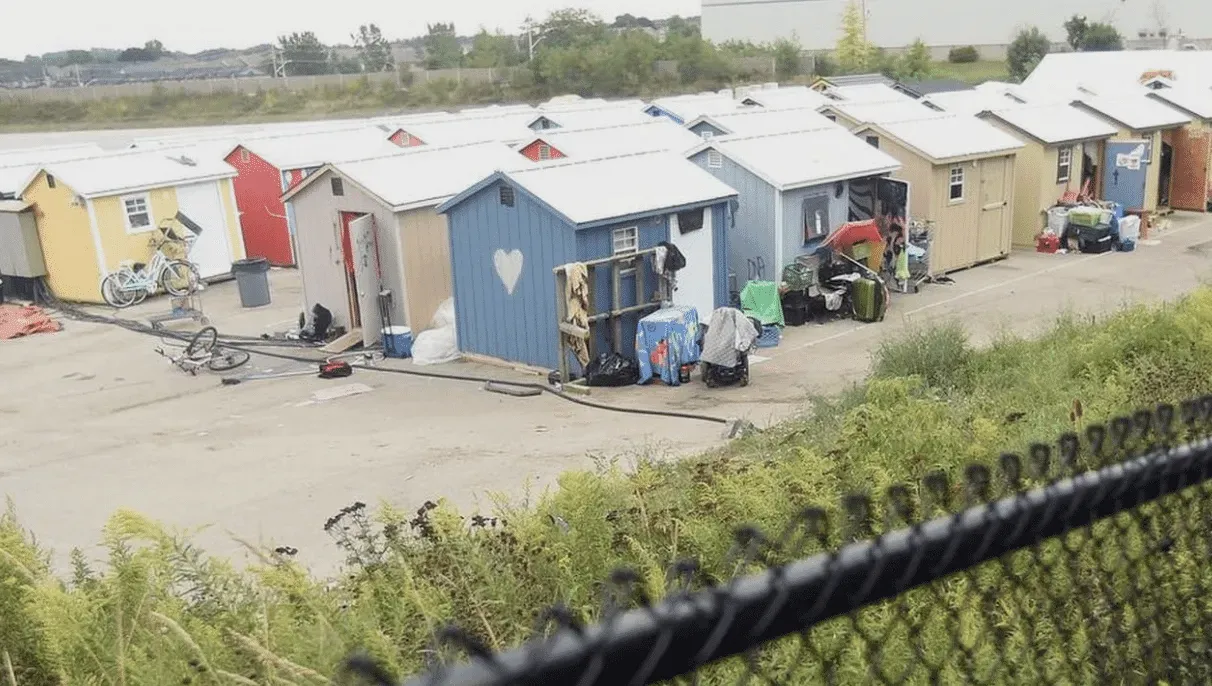
Volunteers unite to protect a vital homeless support service in Kitchener.

The technology behind Canada’s Olympic House could influence future homes.

Discover whether Toronto is truly ready for high-density living, why buyer expectations are changing, and what experts say this means for future homebuyers.

Canada plans to use public land to accelerate affordable housing development.

How Bank of Canada rate cuts could impact housing affordability in Vancouver.

Tesla’s home technology allows families to generate income from solar energy.


