News
Share


Soaring home prices, escalating rents, and a severe shortage of affordable accommodations, all characterize the worsening housing crisis. Over the past two decades, home prices have surged by approximately 375%, outpacing income growth and making homeownership increasingly unattainable for many Canadians.
We spoke with Matthew Petkau, real estate agent with MaxSave Real Estate Services, to discuss how the BC house flipping tax could make the housing crisis even worse—rather than alleviating it, as the tax is intended.
Impact on housing quality: Although the house flipping tax’s main purpose is to discourage speculative flipping, the tax could have unintended consequences that further restrict housing supply and affordability. "What the tax actually does is it impacts the quality of homes, so there's fewer people able to renovate. More houses deteriorate to the point where financing will be an issue,"Petkau explains. "If flippers have no incentive to buy them, no one buys them. In the long run, it takes good housing off the market and decreases affordability."
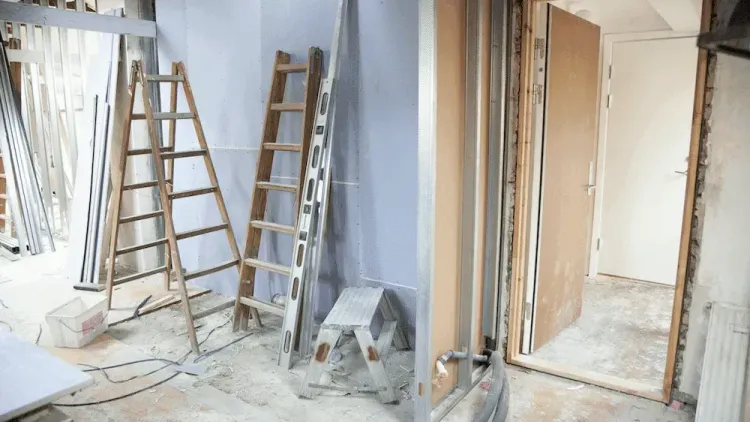
The vital role of flippers: Petkau emphasizes that flippers are not simply profit-driven investors but individuals who dedicate their time and resources to improving properties. "Flippers actually play a very crucial role in the maintenance of housing. It’s a niche skill, and typically, they live in the renovation zone for a year, and earn no income for the year there. It takes a very special kind of person to do this," Petkau says.
"Flippers will put a lot of money into the house plus their time while they're typically living in the home. Most need about a year of turnaround time to get their money back and pay off their line of credits for renovations. The flipping tax is preventing them from doing that."
Because the tax penalizes sales within two years of purchase, many flippers will either be forced to hold onto properties longer—tying up resources—or exit the market entirely.
Financial disincentives: The financial burden imposed by the tax makes flipping less viable, Petkau explains.
"Let’s say the average flip profits about $90,000. If sold within a year, taxes would take about $43,380, leaving just $46,000. If they waited a day after a year, they’d pay $22,300 in taxes instead. Compare that to a construction job where they’d only pay around $7,000 in tax on a similar income. The taxes make the flip not feasible," Petkau says.
Consequences for homeownership and homelessness: Petkau argues that the tax disproportionately impacts first-time homebuyers, as flippers often renovate homes that are later sold to middle-class buyers. "There’s less good housing on the market that can be financed. Seasoned buyers might navigate the financing hurdles, but first-time buyers often can’t. So, it actually decreases homeownership overall."
The long-term consequences, he warns, could be dire. "If they don’t remove this tax, there could be more slums and more homelessness. It will create a clear divide between those who can afford housing and those who can’t. Flipped homes are typically sold to middle-class and first-time buyers—not the wealthy. The tax effectively removes this segment from the market."
A call for reassessment: Rather than improving affordability, Petkau believes the flipping tax undermines housing stability and access. "The government has missed the fact that houses always sell at market value. If a home is deteriorated, it sells for less. Flippers renovate and resell, increasing the supply of livable homes. Without them, more homes will fall into disrepair, and fewer people will be able to buy."
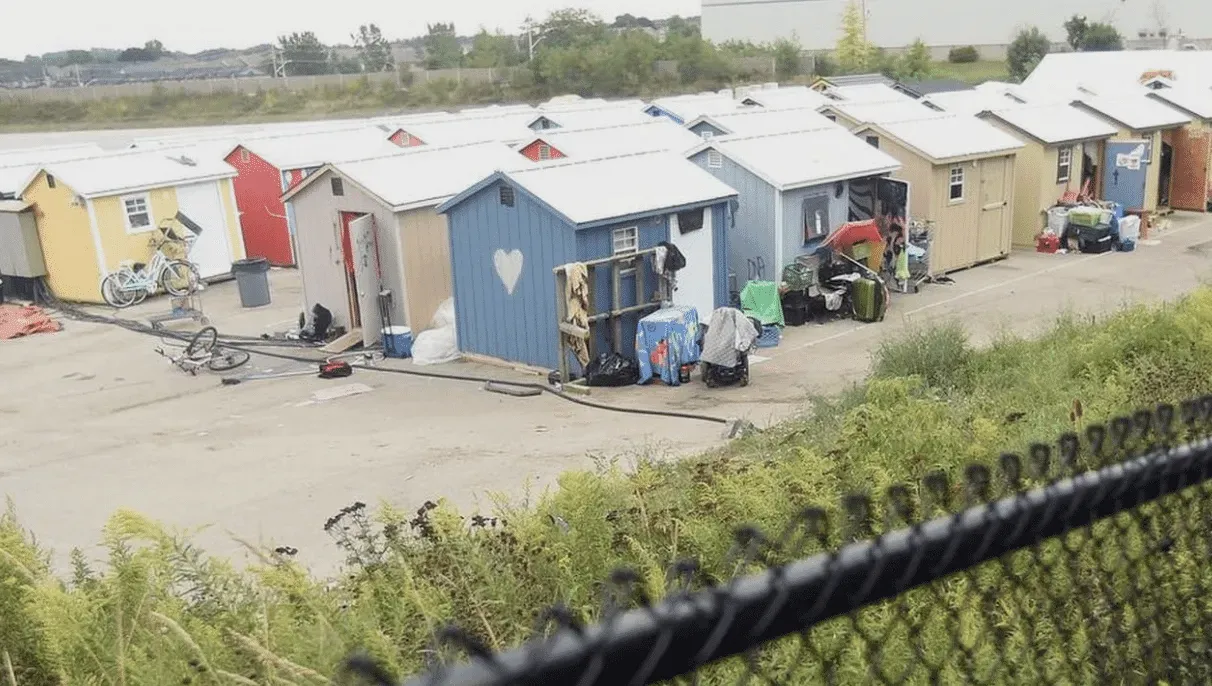
Volunteers unite to protect a vital homeless support service in Kitchener.

The technology behind Canada’s Olympic House could influence future homes.

Discover whether Toronto is truly ready for high-density living, why buyer expectations are changing, and what experts say this means for future homebuyers.

Canada plans to use public land to accelerate affordable housing development.

How Bank of Canada rate cuts could impact housing affordability in Vancouver.

Tesla’s home technology allows families to generate income from solar energy.


