News

Share


BC's home flipping tax erodes profit and incentive for buyers to renovate and resell homes.
The tax will halt house flipping likely altogether, affecting home quality as homes in need of renovation will sit on the market unsold.
Public pushback might lead policymakers to reconsider the tax's implementation and its long-term effects.
In the wake of BC’s home flipping tax, industry professionals are starting to assess and question its ripple effects on both short-term property investments and long-term market stability.
Chad Wozniak, a seasoned realtor with 23 years of experience and acting real estate agent with Chamberlain Property Group, offers insight into how the tax could reshape the local market in the near term and long term.
A halt to renovations: According to Wozniak, the tax could put an abrupt halt to the house flipping trend. “There’s not a lot of margin now for those in the business of renovating and moving on,” he says, predicting that the new rules will likely make investment activity for house flipping non-existent. With fewer investors purchasing properties to flip, Wozniak expects the quality of homes to suffer, as owners may be less inclined to invest in renovations.
No additional work: The situation is compounded by a broader slowdown in demand for vacation homes and rental properties. As areas traditionally known for tourism-based real estate face an influx of properties in need of renovation, prospective buyers are hesitant to take on the additional work. “Not all buyers will want to roll up their sleeves,” Wozniak explains, adding that the market is beginning to see a pile-up of homes that need significant updates, yet no one is eager to take them on.
Capital gains: “The affordability crisis may be exacerbated if the government doesn’t rethink the tax policy,” Wozniak suggests. He points out that the tax has already discouraged some homeowners from selling generational properties, as they fear its impact on their capital gains. “The potential change to the capital gains tax has definitely made people reconsider their plans,” Wozniak states. “While the 66% capital gains tax has been put on hold for now, it's still in the back of everyone's mind. This uncertainty has actually motivated some to sell generational homes sooner than they might have planned, as they want to avoid facing that tax. Many were content to hold onto their properties but now feel pressured to act."
Changing stance: Wozniak is hopeful that with enough pushback, policymakers may reconsider the implementation of such taxes, especially as the true effects begin to unfold. "The government is often quick to make decisions without consulting us,” he explains. “However, with enough pushback, they may reconsider. If you look at the current approach of the U.S. government, they often announce one thing and then delay it or offer temporary measures. With enough opposition to these taxes—many people already think they’re excessive—the government may eventually recognize the long-term effects and change their stance."
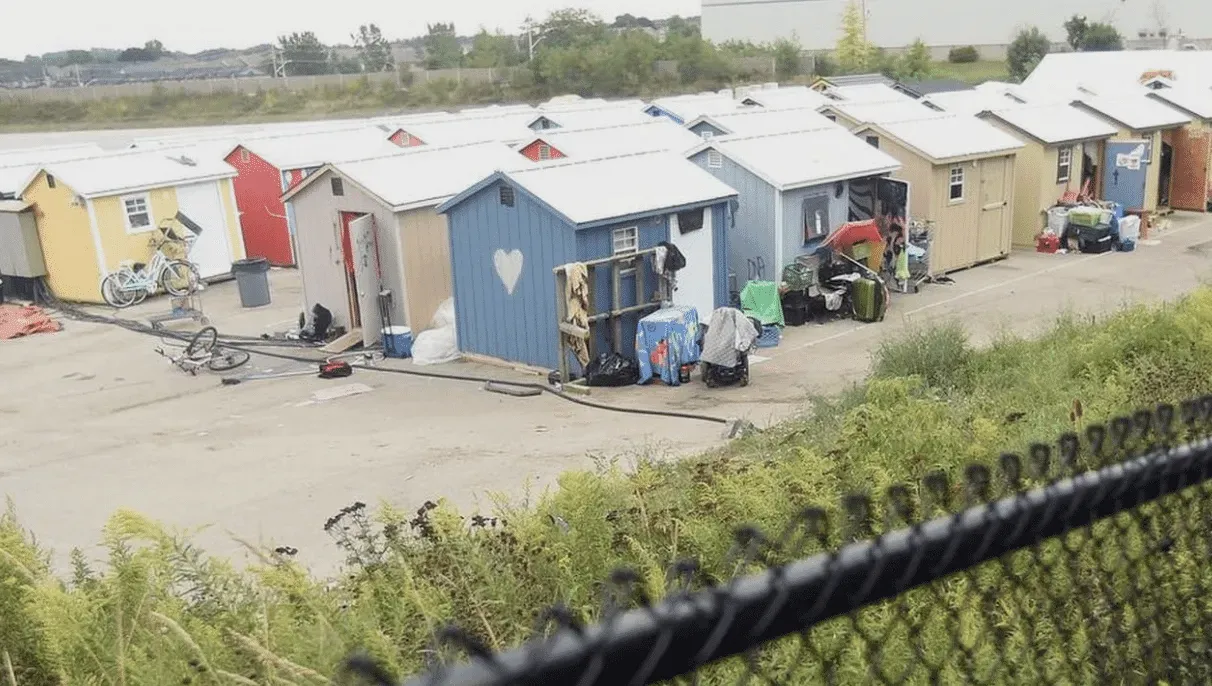
Volunteers unite to protect a vital homeless support service in Kitchener.

The technology behind Canada’s Olympic House could influence future homes.
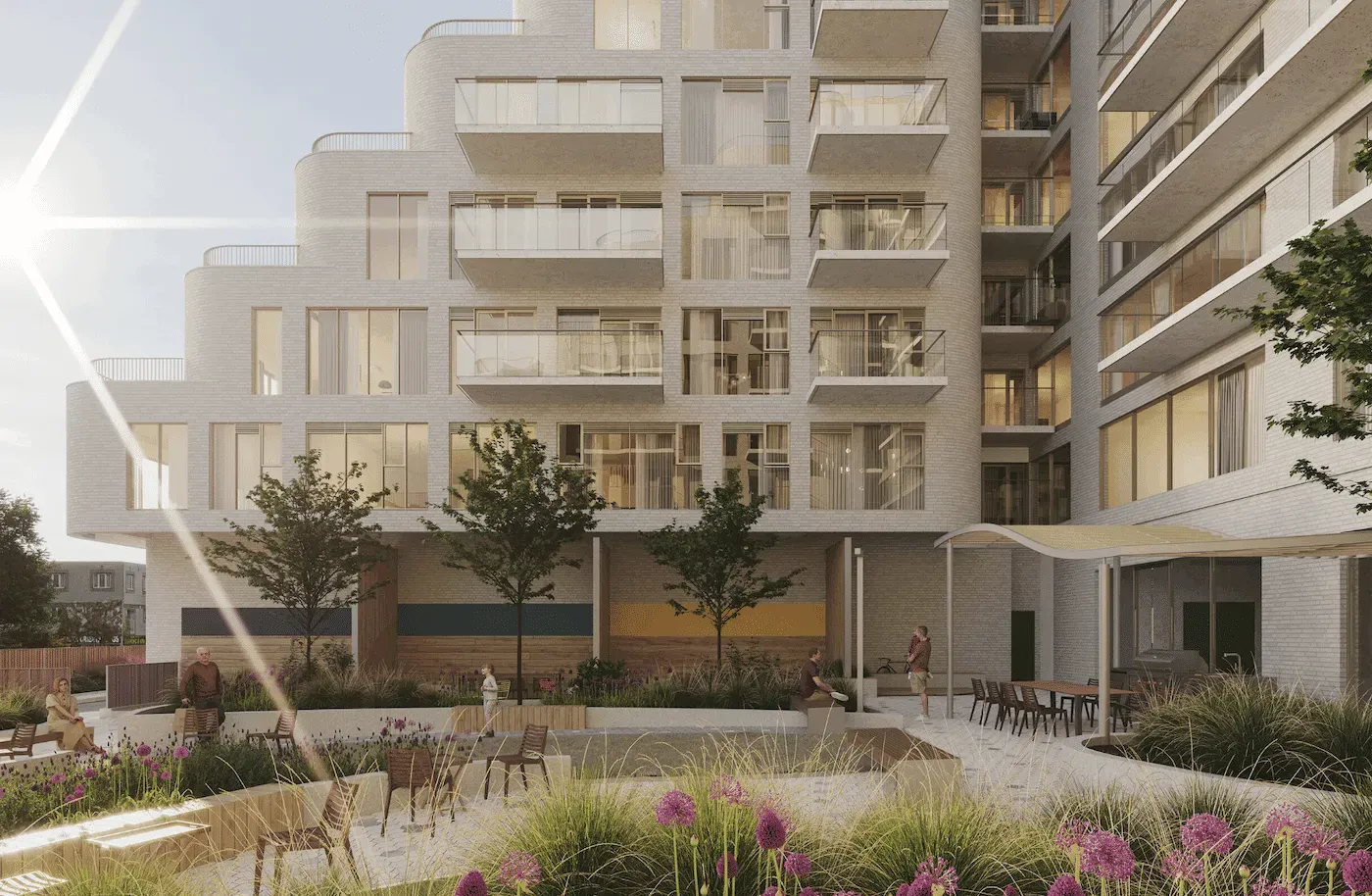
Discover whether Toronto is truly ready for high-density living, why buyer expectations are changing, and what experts say this means for future homebuyers.

Canada plans to use public land to accelerate affordable housing development.

How Bank of Canada rate cuts could impact housing affordability in Vancouver.

Tesla’s home technology allows families to generate income from solar energy.


