Actual Cash Value
Share


Canadian home insurance hit an average of $960 per year. Most homeowners pay this premium without understanding what is dwelling insurance, or why it makes up the largest chunk of their bill. Your dwelling coverage determines whether you can afford to rebuild after a fire or major storm.
This guide breaks down exactly what dwelling protection covers, what it costs, and how to avoid paying for a home you can't actually replace.
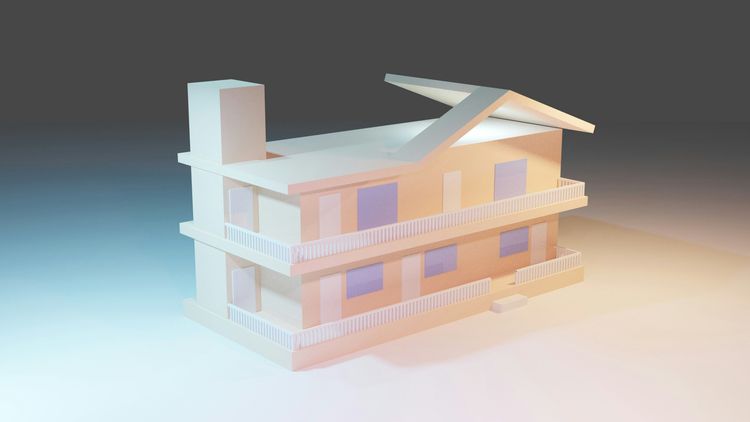
It's the part of your policy that protects the physical structure of your home against insured damage. In Canadian policies, this appears as Coverage A - the dwelling building section that pays to repair or rebuild your house if disaster strikes.
The structure includes your foundation, walls, roof, floors, and everything permanently attached. Built-in cabinets, plumbing fixtures, electrical systems, and attached garages all fall under dwelling protection. Your policy sets a dollar limit for this coverage based on what it would cost to rebuild your home from the ground up.
Lenders require this coverage before approving a mortgage. Without it, you're personally responsible for rebuilding costs that can easily exceed what you owe on your home.
What is dwelling coverage beyond just a line item on your policy? It's your financial safety net when structural damage happens. Coverage protects the biggest investment most Canadians will ever make.
This matters because rebuilding costs often exceed home values. A house worth $500,000 might cost $650,000 to rebuild using today's labour rates and materials. Without proper dwelling limits, you cover the difference out of pocket.
Lenders won't fund a mortgage without proof of dwelling coverage. This requirement exists because the building secures its loan. If your uninsured home burns down, you lose your collateral, your shelter, and your investment.
Your policy responds to specific perils that damage your home's structure.
Fire damage tops the list. Lightning strikes, explosions, and sudden smoke from malfunctioning equipment also qualify. Wind and hail damage the exterior, with interior coverage if the storm first creates an opening.
Theft and vandalism fall under dwelling protection when your home is normally occupied. Certain water damage from burst pipes, failing appliances, or water main breaks triggers coverage. Impact from vehicles or aircraft qualifies too.
Built-in components get protection. Your furnace, central air conditioning, permanent light fixtures, and attached decks count as a dwelling. Plumbing and electrical systems installed in walls receive coverage for sudden failures.
Attached structures like garages fall under your dwelling limit. So do porches, decks permanently fastened to the house, and materials stored on-site for repairs.
Policies exclude predictable problems. Wear and tear doesn't qualify. Your 20-year-old roof deteriorating naturally isn't covered. Gradual damage from rot, settling or pest infestations falls outside dwelling protection.
Overland flooding requires a separate endorsement. Water entering from rivers, lakes, heavy rain, or spring thaw isn't automatically covered. Standard dwelling coverage won't pay it without the right add-on.
Earthquake damage needs its own policy add-on. British Columbia and parts of Quebec face a higher seismic risk but get no automatic earthquake coverage.
Maintenance failures void coverage. Frozen pipes from an unheated home during winter don't qualify if you were away more than four days without maintaining heat or draining the system. Long-term roof leaks from deferred maintenance get denied.
Watch out for intentional damage by you or damage from business activities at home. These exclusions apply even if other perils would normally be covered.
Your dwelling limit sets the maximum your insurer pays to rebuild. This number should match replacement cost, not market value. Your building amount must equal what it costs to completely rebuild your home.
Replacement cost coverage pays to rebuild using similar quality materials and methods. Actual cash value policies deduct depreciation before paying claims. A 15-year-old roof might get 50% of the replacement cost under an actual cash value policy.
Insurers calculate limits using your home's square footage, construction type, roof material, built-in features, and local building costs. A 2,000-square-foot frame house in Toronto costs more to rebuild than an identical home in Halifax because labour and material costs differ.
Your dwelling limit drives other coverage amounts. Contents coverage often equals 50-70% of your dwelling amount. Additional living expenses usually cap at 20-30% of the dwelling limit.
Start with rebuilding cost, not what your home would sell for. Market value includes your land. Your lot survives fires and storms. Dwelling coverage only needs to replace the structure.
Local construction costs matter significantly. Toronto homeowners face an average replacement cost of $659,147. Building the same home in smaller markets costs less because labour rates and material delivery expenses drop.
Your home's size and features determine costs. Finished square footage, number of storeys, basement finish level, and attached structures all increase rebuilding expenses. Custom kitchens, high-end bathrooms, and specialty flooring add thousands to replacement estimates.
Building code upgrades drive costs higher. Modern codes require better insulation, updated electrical panels, seismic reinforcements in some regions, and improved fire separation. These mandated improvements can add 20-30% to basic rebuilding costs.
Insurers gather construction details to estimate limits. They ask about your build year, roof type and age, plumbing and electrical age, number of fireplaces, and distance to fire protection. Volunteer fire departments mean higher rates than municipal departments with nearby hydrants.
Your home policy bundles several protections. Understanding how dwelling coverage differs from other sections helps you assess whether your limits make sense.
Dwelling covers the building. Personal property (Coverage C) protects your belongings inside. Your furniture, clothes, electronics, and kitchen items fall under contents, not dwelling. A fire destroys both, but each has separate limits.
Liability protection (Coverage E) pays when someone gets injured on your property and sues. This has no connection to your dwelling limit. You might carry $2 million in liability coverage on a home with $400,000 dwelling protection.
Additional structures coverage (Coverage B) protects detached buildings. Your shed, detached garage or standalone deck gets separate protection, usually 10% of your dwelling amount. These structures don't count toward your main dwelling limit.
Additional living expenses (Coverage D) pay for hotels and meals if your home becomes unlivable. This coverage activates when insured damage forces you out.
Underinsuring creates financial disaster. Your $400,000 dwelling limit won't rebuild a home that actually costs $550,000. You personally fund the $150,000 gap.
Partial losses trigger co-insurance penalties. If you insure at 80% of the actual replacement cost, the insurer reduces claim payments proportionally. A $100,000 fire claim might only pay $73,000 under co-insurance rules.
Rising construction costs outpace policy updates. Ontario's average home insurance premium jumped from $657 in 2015 to $1,176 in 2025 - a 79% increase. This rise reflects surging rebuilding costs that make older dwelling limits obsolete.
Severe weather losses climbed to $6 billion in 2024 for personal property insurance. More claims mean tighter underwriting. Insurers now scrutinize dwelling limits and may refuse to renew policies with inadequate coverage amounts.
Compare more than just premiums. Two policies with identical costs can offer vastly different protection levels. Look at the coverage type first. Comprehensive (all-risk) policies cover everything except specific exclusions. Named perils policies only pay for listed events.
Verify your replacement cost coverage. Some policies default to actual cash value unless you specifically request replacement cost protection. The difference costs thousands on major claims.
Review exclusions carefully. Standard policies exclude overland flood and earthquake. British Columbia homeowners pay an average of $2,709 annually, partly because wildfire and earthquake endorsements add significant premium costs.
Check deductible structures. Alberta homeowners increasingly face separate, higher deductibles for hail damage. A $2,500 hail deductible plus a $1,000 standard deductible means different out-of-pocket costs depending on what damages your home.
Get expert help to avoid gaps. At Insurely, we help Canadian homeowners compare policies and identify coverage shortfalls before claims happen.
Increase your deductible strategically. Moving from a $500 to a $2,500 deductible typically saves 15-25% on premiums. Just ensure you can afford the higher out-of-pocket cost if disaster strikes.
Bundle policies with one insurer. Combining home and auto insurance usually earns 10-15% discounts on each policy. The savings add up over time.
Upgrade home safety features. Professionally installed burglar alarms, smoke detectors and monitored security systems reduce risk. Some insurers discount premiums 5-10% for these improvements.
Maintain your home regularly. Replacing an aging roof before it fails prevents claims. A newer roof (under 15 years) often qualifies for better rates than a 25-year-old roof nearing replacement.
Review coverage annually. Construction costs change. Your dwelling limit should increase to match. Some policies include automatic inflation protection, but verify that it keeps pace with actual local building cost increases.
Understanding exactly what dwelling insurance covers — and whether your current limit would actually rebuild your home at today's construction costs — can mean the difference between a full recovery after disaster and a six-figure gap you're left funding yourself. With replacement costs routinely exceeding market values, co-insurance penalties for underinsured homes, and rising construction costs making older dwelling limits obsolete, getting this number right from the start is one of the most important financial decisions a homeowner can make.
With Insurely's real-time data access and smart insights, you can:
Whether you're a first-time buyer trying to understand what Coverage A actually protects, a long-time homeowner whose dwelling limit hasn't kept up with rising construction costs, or simply want to know if your policy would truly cover a rebuild, Insurely ensures you're never left underinsured on the coverage that matters most.
Reach out for a quote today to explore how Insurely can help you set the right dwelling limit and build a policy that covers what it would actually cost to bring your home back — not just what it cost to build it years ago.
Protection for your home's physical structure. It pays to repair or rebuild after covered damage like fire or wind.
The building itself - walls, roof, floors and attached structures. It's important because rebuilding costs often exceed what you owe on your mortgage.
Fire, lightning, wind, hail, theft, vandalism and certain water damage. Attached structures and built-in systems get protection too.
Enough to cover full rebuilding costs at today's prices, not your home's market value. Get a professional replacement cost estimate.
Yes, if sudden insured damage causes it. Wind, hail, and fire damage qualify. Age-related deterioration and maintenance issues don't.
Heavy snow can collapse roofs and cause serious damage. Learn what snow load damage is, if home insurance covers it, and how to protect your home in Canada.

Wondering if your tenant insurance covers your roommate in Canada? Learn when roommates are covered, when they aren't, and the smartest way to share coverage.
What is loss assessment coverage in condo insurance? Learn how it protects Canadian condo owners from unexpected special assessments and shared building costs.

A home inventory can make or break your tenant insurance claim. Learn how to document your belongings properly in Canada and what insurers need to see.

Ice dams can cause serious roof and water damage. Find out whether home insurance covers ice dam damage in Canada and how to protect your home this winter.
Does home insurance cover burst or frozen pipes in Canada? Learn what water damage is covered, what's excluded, and how to prevent pipe damage this winter.


