Actual Cash Value

Share


In Canada, a tenant insurance policy protects the person named on it and their immediate family, not a roommate who simply shares the rent. To be covered, a roommate generally needs to be added to the policy as a named insured or buy their own.
It sounds like a small technicality, but it's one of the costliest assumptions renters make. Plenty of people split an apartment for years, believing one policy quietly stretches over everyone in the unit. Then a fire, a break-in, or an injured guest forces a claim, and only the person on the paperwork walks away protected.
Here's how tenant insurance for roommates in Canada actually works, and how to set it up so no one is left exposed.
A standard policy covers the named insured and the relatives who live with them, typically a spouse and dependent children. A roommate doesn't fall into that category, no matter how long you've shared the lease or how evenly you split the bills.
Assuming otherwise is risky. If you're wondering does renters insurance cover roommates by default, the answer is no; coverage follows names, not addresses. If your roommate isn't listed, their belongings aren't insured, and they get no liability protection from your policy. The "we live together so we're both covered" logic simply doesn't hold.
The sticking point is what insurers mean by household member. To them, it signals family ties, not a shared kitchen. Two unrelated friends under one roof are, in coverage terms, two separate households that happen to share walls.
Often, yes. Many Canadian insurers handle adding a roommate to tenant insurance by listing them as an additional named insured, which extends the same belongings and liability coverage to them. You'd usually do this when buying the policy or by calling to update an existing one.
Adding someone changes a few things. Both names sit on the policy, both share the coverage limits, and, importantly, both share the claims record. A claim filed by either person can affect renewals and future premiums for everyone listed.
Rules vary by company. Not every roommate tenant insurance policy works the same way; some add roommates at little or no extra cost, others cap how many people can be named, and a few won't insure unrelated roommates on one policy at all, requiring each person to buy their own instead. Always confirm the specifics with your provider before assuming it's allowed.
Separate policies are usually the cleaner choice. Each renter gets coverage tailored to their own belongings, their own deductible, and their own claims history, with nothing tangled together.
The biggest advantage is liability. If you're separately insured and a roommate is responsible for damage or injury, your protection stands entirely on its own and isn't dragged into their situation. You also avoid disputes over who owns what when a claim is paid out.
On cost, shared apartment insurance in Canada looks cheaper upfront. With tenant insurance starting around $20 a month, splitting one policy across two or three people lowers each person's share. But individual policies often cost only a little more each and remove the shared-record and shared-payout headaches, frequently worth the difference.
This is where shared coverage gets complicated. If a roommate's carelessness sparks a fire or causes a flood, liability falls on the person responsible, and a single shared policy can blur that line.
Picture a roommate leaving the stove on and damaging the unit. Their liability coverage (their own policy, or a policy they're named on) would typically respond. If they're uninsured and not named anywhere, the financial fallout can land on them personally, and potentially on you if you're entangled in the same policy or lease.
Insurers also tend to issue claim cheques to all named insureds together. If you and a roommate disagree on how to split a payout or what to replace first, the claim can stall until everyone signs off.
The gaps show up at the worst possible moment.
After a theft or fire, an uninsured roommate's possessions aren't replaced; they absorb the loss alone, even if your belongings are fully covered. There's also a liability hole: if a guest is hurt in a common area and the roommate hosting them carries no coverage, there may be no policy to respond.
The real-world version is familiar. Two roommates, one policy in a single name. A break-in clears out both bedrooms, but only the named tenant's electronics and furniture are reimbursed. The other roommate, equally robbed, gets nothing. A quick check at move-in would have prevented it.
A few minutes of setup saves a lot of grief later.
When you call your insurer, ask whether roommates can be added, how many names are allowed, what it costs, and how a claim by one person affects the others. Get the answers in writing where you can.
Lean toward separate policies when you want clean liability, independent claims records, and the simplest setup, especially with roommates you don't know well. A shared policy can make sense for couples or close, stable arrangements where the trade-offs are understood.
If you do share, structure it fairly: agree in advance on how premiums are split, how a deductible would be covered, and how any payout gets divided. Settling that before a claim beats arguing during one.
Understanding exactly who your tenant insurance actually protects, and confirming whether a roommate sharing your lease is genuinely covered or quietly excluded, can mean the difference between a smooth claim after a fire or break-in and discovering that only the person named on the policy walks away with a payout. With insurers defining "household" by family ties rather than shared addresses, and claims often issued jointly to all named insureds, assuming coverage stretches naturally over everyone living under one roof is one of the costliest misunderstandings renters carry into a shared apartment.
With Insurely's real-time data access and smart insights, you can:
Whether you're moving in with roommates for the first time, splitting a lease with people you don't know well, or simply realized your current policy might not cover everyone in your unit, Insurely ensures no one in your household is left exposed because coverage quietly followed a name instead of an address.
Reach out for a quote today to explore how Insurely can help you set up tenant insurance the right way from move-in day, so every person sharing your space is protected, not just the one on the paperwork.
Sometimes. Many insurers allow it by naming both people on the policy, though some cap the number of names and a few won't cover unrelated roommates together at all. Confirm with your provider first.
Only if your roommate is a named insured on the policy. If just your name is listed, their belongings aren't covered and they'd need their own policy.
Your own belongings and liability are protected if you're insured. The roommate's responsibility for the damage falls to their coverage; if they're uninsured and unnamed, they may be personally on the hook.
It varies. Some insurers add a roommate at no extra charge, while others adjust the premium modestly. Since policies often start near $20 a month, a shared policy can lower each person's share; just weigh that against the shared-record risk.
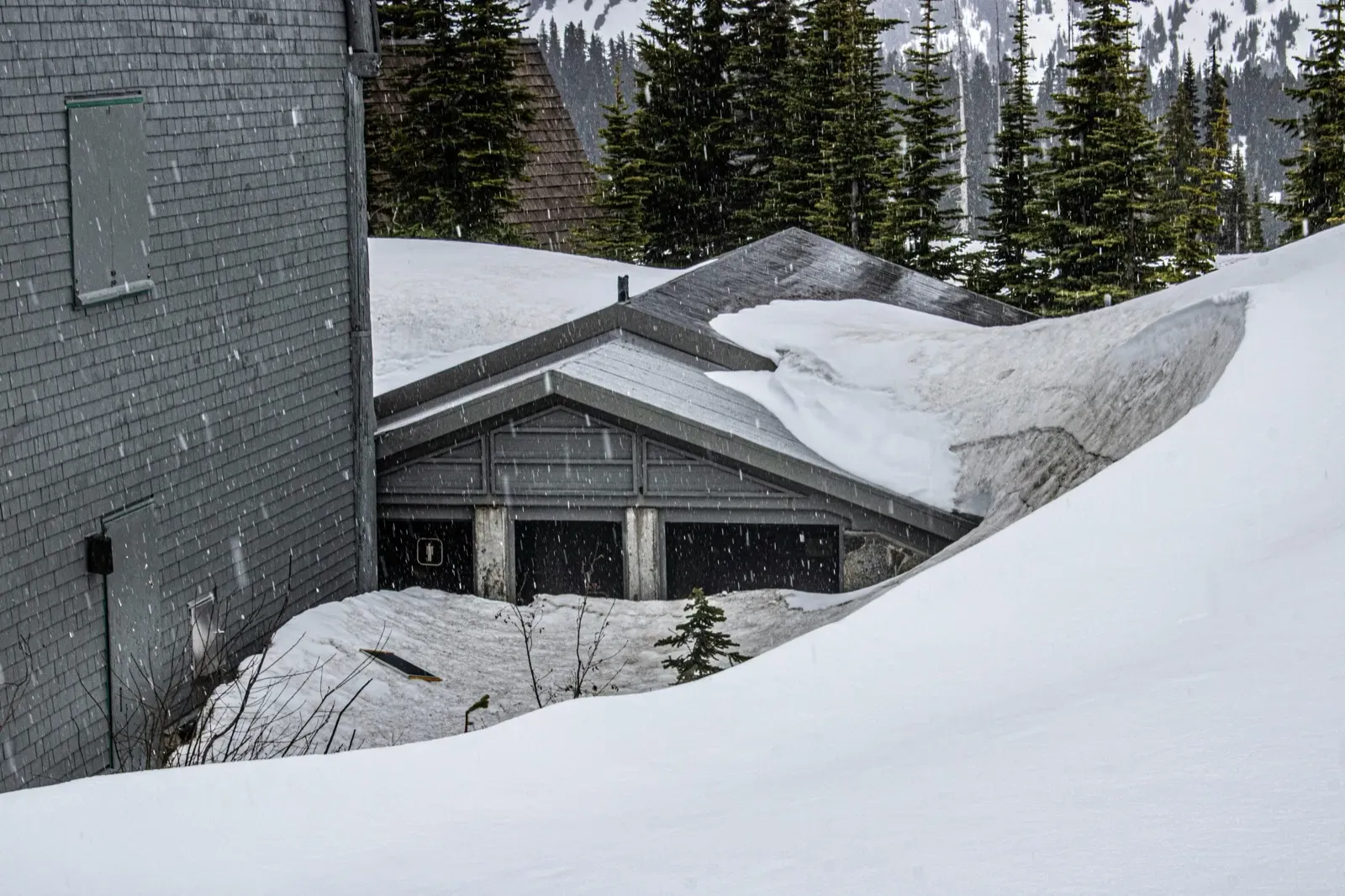
Heavy snow can collapse roofs and cause serious damage. Learn what snow load damage is, if home insurance covers it, and how to protect your home in Canada.

Wondering if your tenant insurance covers your roommate in Canada? Learn when roommates are covered, when they aren't, and the smartest way to share coverage.

What is loss assessment coverage in condo insurance? Learn how it protects Canadian condo owners from unexpected special assessments and shared building costs.
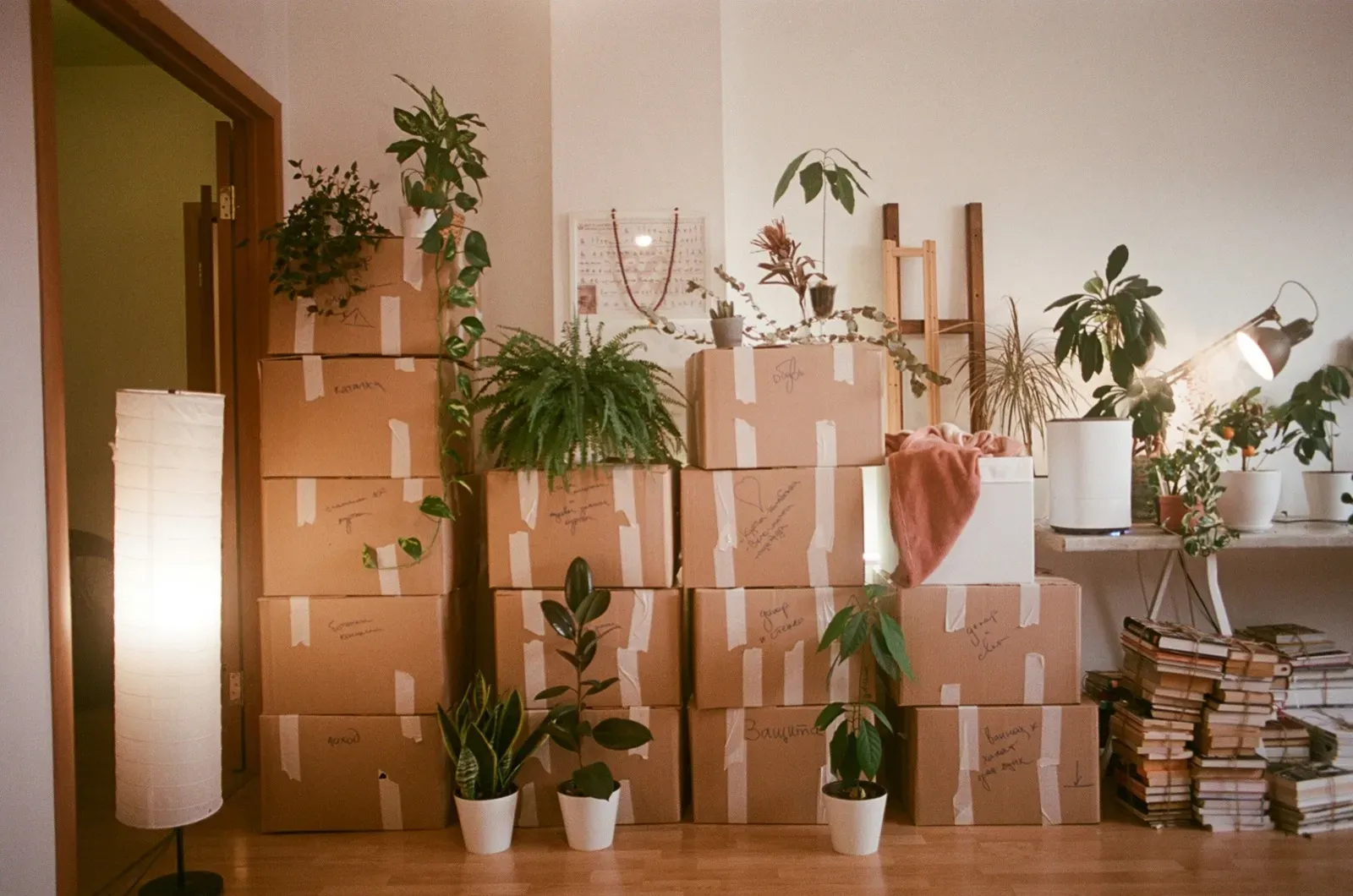
A home inventory can make or break your tenant insurance claim. Learn how to document your belongings properly in Canada and what insurers need to see.

Ice dams can cause serious roof and water damage. Find out whether home insurance covers ice dam damage in Canada and how to protect your home this winter.
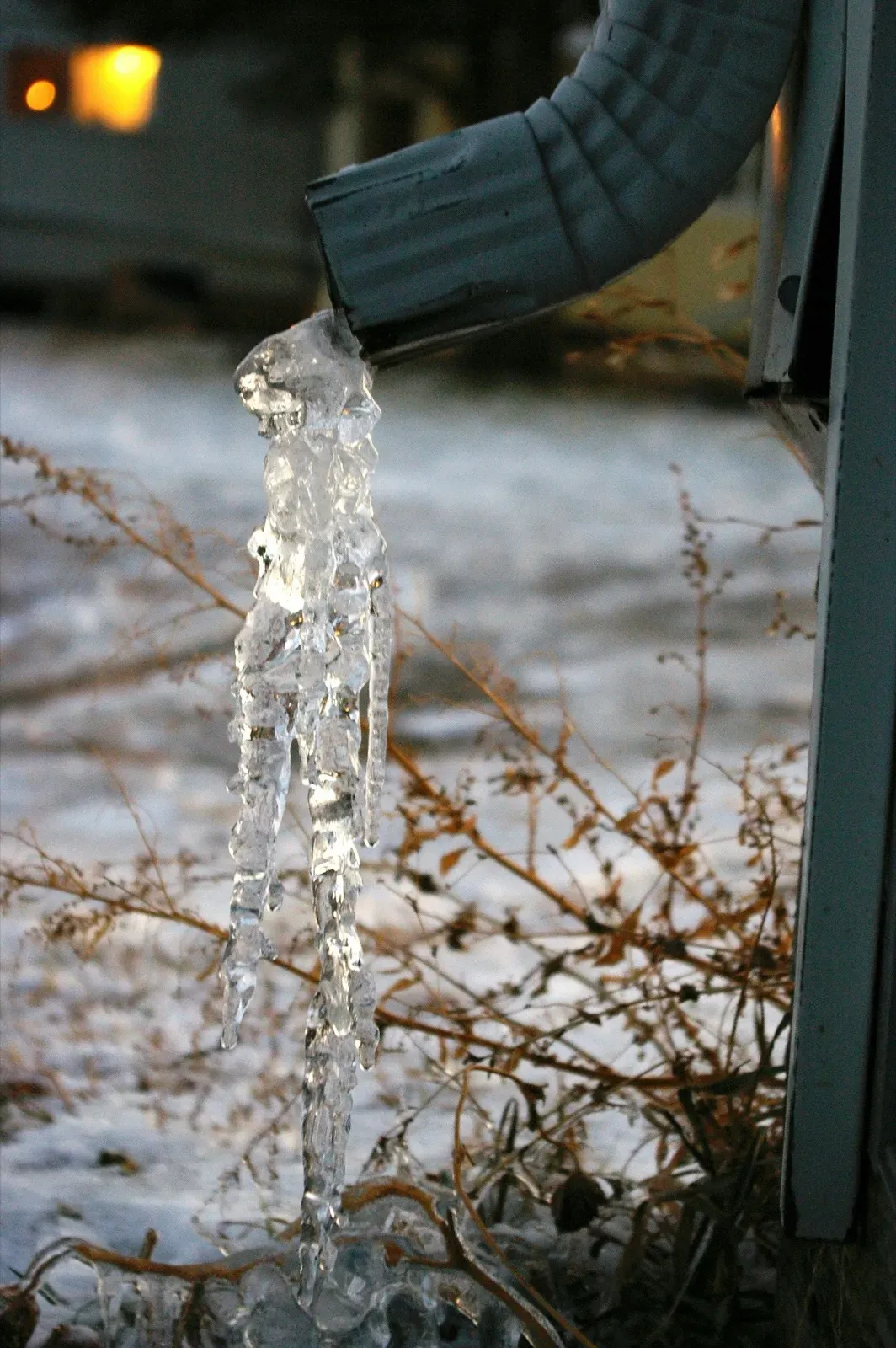
Does home insurance cover burst or frozen pipes in Canada? Learn what water damage is covered, what's excluded, and how to prevent pipe damage this winter.


