Actual Cash Value

Canadian police recorded 327,932 mischief incidents in 2023 alone. That's 818 cases per 100,000 people. Vandalism home insurance Canada policies cover this damage, but only under specific conditions. Most standard home policies list vandalism as a covered peril, treating spray-painted walls and smashed windows as insured events. The catch: your home must be normally occupied. Leave it empty too long, and coverage disappears. Let’s look at what's covered, what's not, and what to do when vandals target your property.
Yes. Canadian home insurance treats vandalism as an insured peril in most policies. The Insurance Bureau of Canada provides a clear example: a garage door spray-painted with graffiti that needs cleaning qualifies as vandalism damage. Your policy covers this under the property damage insurance Canada sections.
Coverage depends on your policy type. Comprehensive policies cover all risks except specific exclusions. Named perils policies only cover listed events. Both typically include vandalism and window breakage, but only for buildings that are normally occupied.
Malicious damage coverage means intentional destruction by someone who isn't you or a household member. When strangers break windows, spray paint siding, or deliberately destroy property, that's malicious damage. Insurance responds to sudden, intentional acts by third parties, not gradual wear from neglect.
Graffiti home insurance covers removal costs as part of vandalism protection. The policy covers the cost of cleaning or repairing damaged surfaces. If cleaning won't work, insurers cover replacement up to your policy limits.
Removal costs vary by surface and extent. A simple spray paint on a brick might require pressure washing. Deep etching into wood siding might need full replacement. Your dwelling coverage responds to building damage. Contents coverage handles damaged belongings like patio furniture.
Watch for: Surface type affects claim value. Removing graffiti from stucco costs more than cleaning vinyl siding. Extensive damage across multiple surfaces can quickly push costs above your deductible.
Broken windows and doors are explicitly covered perils when your home is normally occupied. Smashed glass, kicked-in doors, and damaged frames all qualify. Your dwelling coverage pays for repairs.
Spray paint and graffiti damage trigger coverage whether on walls, garage doors, driveways, or fences. The policy covers cleaning costs first. If cleaning fails, replacement costs apply. Both building and detached structure coverage respond depending on what was damaged.
Deliberate structural damage is covered by vandalism protection. Slashed screens, torn-off shingles, broken fixtures, and destroyed landscaping all qualify. The damage must be sudden and intentional, not the result of gradual deterioration.
Damage to fences and outbuildings gets covered under the detached structures provisions. Your policy typically covers these at 10% of dwelling coverage. A shed spray-painted with graffiti or a fence deliberately broken counts as covered vandalism.
Vacant home exclusions eliminate coverage after your property sits empty. Once a home becomes vacant under your policy definition, theft and vandalism coverage drops or disappears. Most policies define vacancy as 30 to 60 consecutive days without normal occupancy.
Properties listed for sale, undergoing renovation, or sitting empty while the owner has moved to a care facility can trigger vacancy exclusions. Insurers view vacant properties as high-risk for vandalism. You need a vacancy permit or special endorsement to maintain coverage.
Vandalism by a tenant or household member typically isn't covered. Standard policies protect against third-party damage. When someone with legitimate access damages your property, coverage gets complicated. Landlords need specific endorsements for tenant-caused malicious damage coverage.
Damage caused by the policyholder is never covered. The Insurance Bureau of Canada explicitly excludes losses from criminal or intentional acts by the insured. Faking vandalism to collect insurance constitutes fraud.
File a police report immediately. Most insurers require police documentation for home insurance vandalism claim processing. The report creates an official record of the incident. Keep copies for your claim file.
Document all damage thoroughly before cleaning or repairs. Take photos from multiple angles. List every damaged item with purchase dates if possible. Keep damaged items unless they're unsafe. Save all cleanup receipts.
Contact your insurer as soon as possible after securing the property. Report complete details about when the vandalism occurred and what was damaged. Ask about additional living expenses if your home is unlivable. Your insurer typically requires a Proof of Loss form within 30 days of request.
Secure the property to prevent further damage. Board up broken windows. Cover holes in walls or roofs. Your policy requires you to protect the property from additional loss. Keep receipts for emergency repairs and temporary protection measures.
Claims history directly affects Canadian home insurance pricing. The Financial Consumer Agency of Canada lists claims history as an explicit premium factor alongside crime rates, location, and property characteristics. File a vandalism claim and expect higher premiums at renewal.
When it's worth claiming depends on damage costs versus your deductible. Common deductibles range from $500 to $2,000. Minor graffiti costing $400 to clean falls below most deductibles. You pay out of pocket. Major damage exceeding $3,000 makes claiming worthwhile despite potential premium increases.
Canadian home insurance premiums rose 4.01% nationally between January 2025 and January 2026. Provincial increases varied sharply. Nova Scotia jumped 12.12%. Newfoundland and Labrador rose 8.87%. Alberta increased 9.29%.
Average annual premiums by province show the cost landscape. Alberta homeowners pay $1,800 to $2,400. British Columbia ranges from $1,500 to $2,200. Ontario sits at $1,400 to $2,000. Quebec costs $900 to $1,400.
Protecting your property reduces vandalism risk and claim frequency. Install motion-sensor lighting around entry points. Trim bushes near windows and doors. Use security cameras at vulnerable spots. Join neighbourhood watch programs. These steps can qualify you for premium discounts while reducing actual vandalism incidents.
Yes. Graffiti qualifies as vandalism damage. Your policy covers cleaning and removal costs. If surfaces can't be cleaned, replacement costs apply up to policy limits.
Most insurers require one. File a police report immediately after discovering vandalism. Keep copies for your claim documentation. Reports verify the incident occurred.
Yes. Detached structures coverage responds to vandalism on garages, sheds and fences. Coverage typically equals 10% of your dwelling amount. Check your policy for specific limits.
Standard policies don't cover tenant-caused damage. You need specific landlord insurance with tenant malicious damage endorsements. Review your policy wording and ask your insurer about coverage gaps.
Your home insurance should clearly state vandalism coverage terms. Read the vacancy clause carefully. Know your deductible amount. Understand when coverage applies and when it doesn't. Canadian homeowners face real vandalism risk. Protection works only when your policy stays active and your property stays occupied.
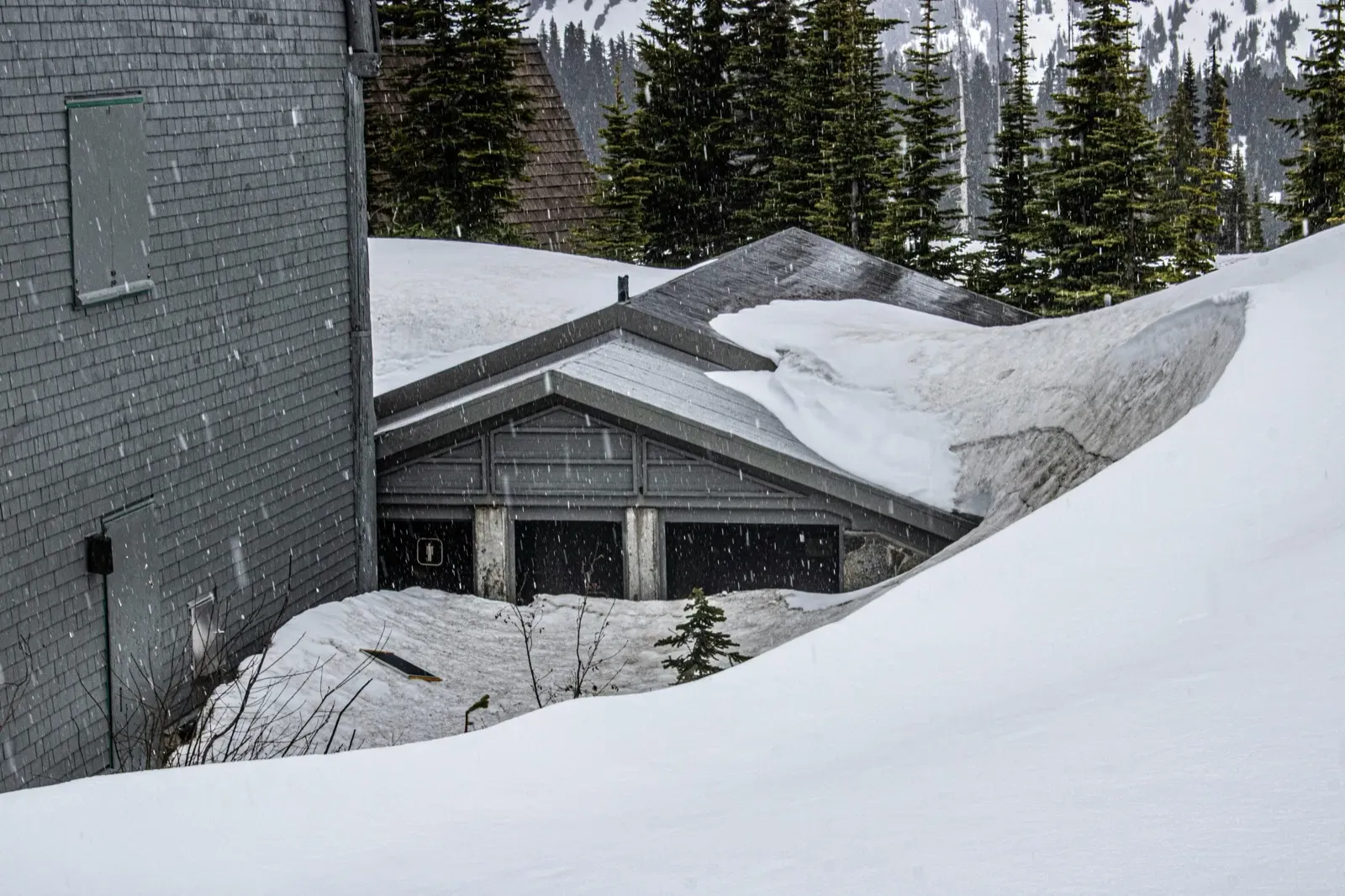
Heavy snow can collapse roofs and cause serious damage. Learn what snow load damage is, if home insurance covers it, and how to protect your home in Canada.

Wondering if your tenant insurance covers your roommate in Canada? Learn when roommates are covered, when they aren't, and the smartest way to share coverage.

What is loss assessment coverage in condo insurance? Learn how it protects Canadian condo owners from unexpected special assessments and shared building costs.

A home inventory can make or break your tenant insurance claim. Learn how to document your belongings properly in Canada and what insurers need to see.

Ice dams can cause serious roof and water damage. Find out whether home insurance covers ice dam damage in Canada and how to protect your home this winter.
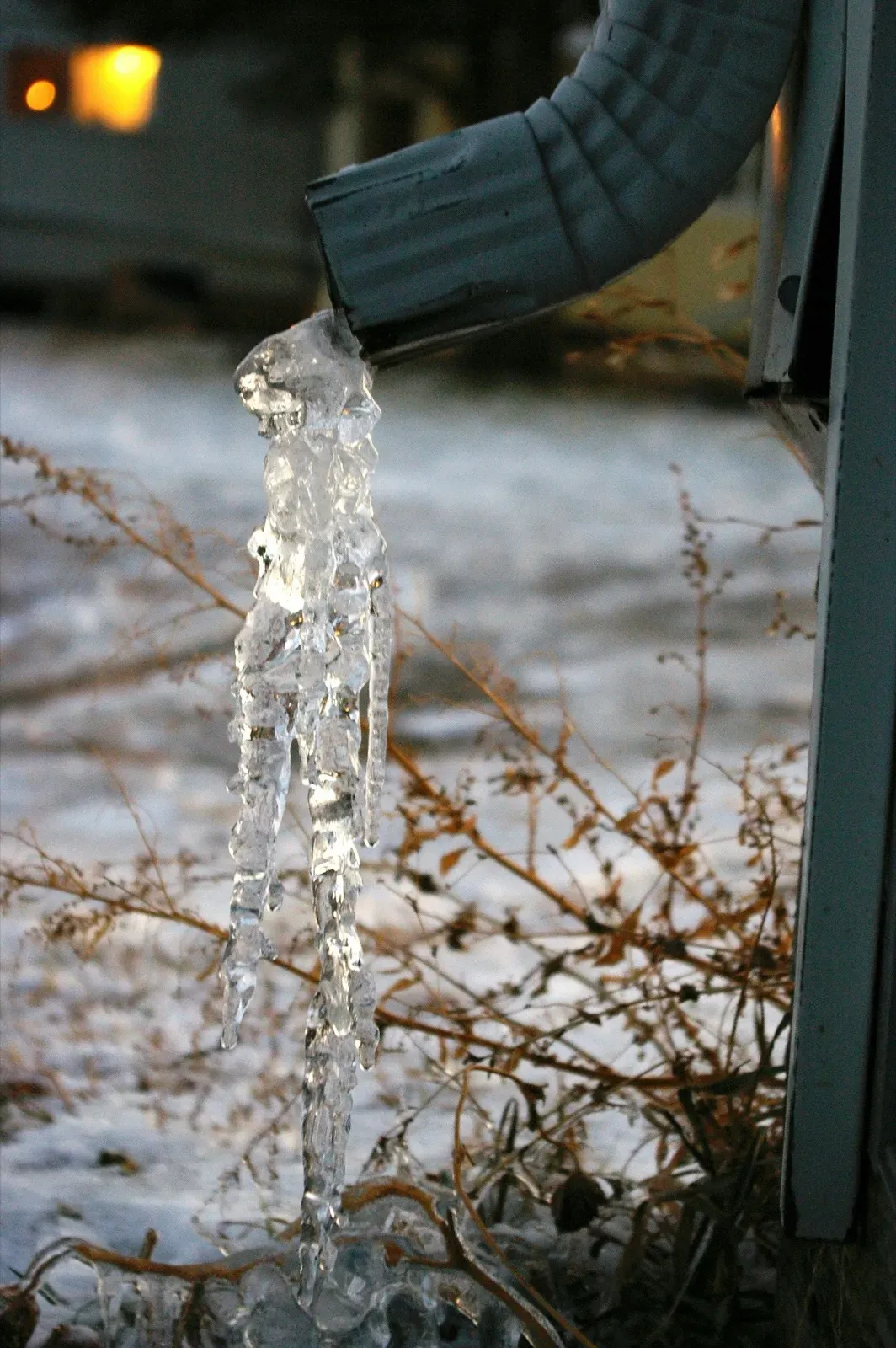
Does home insurance cover burst or frozen pipes in Canada? Learn what water damage is covered, what's excluded, and how to prevent pipe damage this winter.


