
Share


Canadian homeowners face premiums that have jumped faster than general inflation since 2020, with severe weather claims reaching $3.1 billion in 2023 and more than $8 billion in 2024. Your mortgage lender requires coverage, but not all types of homeowners insurance offer the same protection. Some policies cover only specific risks, while others protect against nearly everything except listed exclusions. Choosing poorly can leave you paying for a home you can no longer live in. This guide breaks down Canadian policy forms, what each type actually covers, and how to match coverage to your situation.
Canada uses different types of homeowners' insurance based on both policy breadth and property type. The Insurance Bureau of Canada defines four main policy forms by coverage breadth: comprehensive, broad, basic/named perils, and no-frills. Property-specific types include owner-occupied house policies, condo unit coverage, tenant insurance, seasonal home policies, and landlord packages.
American designations like HO-1 through HO-8 don't apply directly in Canada. Canadian insurers use plain-language terms instead. Comprehensive covers all risks except exclusions. Broad combines comprehensive building coverage with named-perils contents protection. Basic covers only named perils on both building and contents. No-frills applies to properties that fail standard underwriting due to structural issues or outdated systems.
Availability varies by province and insurer. Not every carrier offers all forms in all regions.
Canadian homeowners' insurance coverage types share common components regardless of policy form.
Dwelling coverage protects your main structure and permanently attached features like built-in appliances. This includes building materials temporarily removed for repairs, typically up to 10% of your dwelling limit.
Personal property coverage insures belongings you own, wear, or use. Your furniture, clothing, and electronics get protection at home and sometimes away from home, usually up to 10% of your contents limit when temporarily elsewhere. Watch out for special dollar limits on jewellery, furs, collections, and cash unless you schedule these items separately.
Liability protection covers you if you're legally responsible for injuring someone or damaging their property, anywhere in the world. Canadian policies commonly offer $1 million to $2 million in liability limits.
Additional living expenses pay for temporary housing, meals, and moving costs when an insured loss makes your home unlivable. Most policies cap this at about 20% of your dwelling limit.
Optional add-ons address risks excluded from standard policies. Overland flood, sewer backup, earthquake, and oil spill coverage require separate endorsements in most cases. These optional perils have become critical as severe weather reshapes Canadian risk profiles.
The IBC classifies Canadian types of homeowners' insurance by how broadly they protect you.
Basic policies cover only named perils specifically listed in your contract. Fire, theft, wind, hail, explosion, and vandalism typically make the list. If the peril isn't named, you're not covered.
This form is rarely offered today. Insurers prefer broad or comprehensive forms that reduce coverage disputes.
Broad coverage offers more named perils than basic, but still lists each one explicitly. The building might get 16 covered perils while contents get 11.
Premiums fall between basic and comprehensive. This middle ground works when your budget can't handle comprehensive pricing, but basic feels too risky.
Canada's comprehensive policy covers all perils except those specifically excluded. Your building and contents get protection against any risk not listed in the exclusions section.
Standard exclusions include wear and tear, maintenance problems, overland flood, earthquake, and intentional damage. This is the most common form for owner-occupied homes.
Tenant policies protect your belongings and liability without covering the building structure. Your landlord insures the building. You insure everything inside and your legal responsibility for damage.
Typical tenant policies cost $200 to $400 annually across Canada. This coverage is often required in leases, especially in multi-unit buildings where fire or water damage could affect other units.
Comprehensive policies provide the broadest protection available. Both your building and contents get all-risk coverage with higher limits than standard policies.
Premiums run higher, but coverage gaps shrink significantly. This suits homeowners with valuable belongings or properties in areas facing multiple risks.
Condo unit owner policies cover your unit's interior, your belongings, improvements you made, and your liability. The condo corporation's policy handles the building structure and common areas.
Average condo premiums run $300 to $600 yearly, roughly half what detached homes pay. Loss assessment coverage becomes critical here. It pays your share when the corporation's policy falls short after a major loss or faces a large deductible.
Mobile home policies address risks specific to manufactured housing. These homes often sit on leased land and use different construction methods than traditional houses.
Coverage mirrors standard homeowner policies but pricing and availability reflect the unique risks of manufactured structures.
Older home policies serve properties that don't meet normal underwriting standards. Homes with knob-and-tube wiring, outdated heating systems, or structural deficiencies fall into this category.
Coverage remains limited until you upgrade the property. Many owners use this temporarily while making improvements to qualify for comprehensive coverage.
Types of property insurance encompass a broader category than homeowners coverage alone. Property insurance includes commercial buildings, rental properties, and specialized structures alongside residential homes.
Homeowners insurance specifically protects owner-occupied residential properties. Renters, condo owners, and landlords need different types of property insurance tailored to their situations.
A renter needs tenant insurance covering belongings and liability, but not building protection. A landlord requires coverage for rental income loss, tenant-caused damage, and property owner liability. A condo owner splits responsibility with the corporation, insuring only their unit's interior and contents.
Understanding this distinction matters because using the wrong type leaves gaps. A standard homeowner policy won't cover rental business risks. A tenant policy won't protect you if you buy the building.
Your property type determines your baseline coverage needs.
Detached homes require comprehensive building protection, contents coverage, liability and additional living expenses. Semi-detached and row homes need similar coverage but may cost less due to shared walls. Condo owners need unit interior protection and loss assessment coverage. Renters need contents and liability only.
Your risk tolerance shapes how broad your coverage should be. Comprehensive policies cost more but cover nearly everything. Basic policies cost less but leave you exposed when unlisted perils strike. Atlantic Canada homeowners saw this firsthand when Hurricane Fiona drove Prince Edward Island's claims ratio near 400% in 2022.
Your budget affects deductible choices and optional coverage. Higher deductibles of $1,000 or $2,500 reduce premiums but increase what you pay out-of-pocket. A common $500 deductible means you pay the first $500 of any claim.
Your asset value matters because standard policies cap contents coverage and have special limits on high-value items. Jewellery, furs, and collections need scheduled riders for proper protection.
Standard policies cover sudden and accidental water damage from burst pipes, appliance leaks, and plumbing failures. Your washing machine hose breaks and floods the basement. That's covered.
Overland flooding from rivers, lakes, or heavy rain is not covered without a specific endorsement. Neither is gradual damage from slow leaks or maintenance neglect. Sewer backup requires its own optional coverage in most policies.
Water damage now drives the majority of Canadian property claims. Insurers paid out $2.5 billion in claims in 2021, rising to $3.4 billion in 2022 and $3.1 billion in 2023. This trend has made water-related endorsements essential rather than optional for many homeowners.
British Columbia's emergency management guidance emphasizes that standard policies do not include overland flood protection. Property owners in flood-prone areas must seek this coverage explicitly.
Named perils coverage lists specific risks your policy protects against. If fire, theft, and wind appear on the list, those perils are covered. Everything else is excluded. Open perils coverage works in reverse, protecting against all risks except those specifically excluded.
Coverage limits vary significantly between basic, broad, and comprehensive forms. Basic policies often cap contents coverage lower than comprehensive policies. Special limits on valuables remain consistent across policy types unless you buy scheduled coverage.
Cost differences reflect coverage breadth. Comprehensive policies in Alberta average $1,750 yearly, while Quebec homeowners pay around $850. These gaps stem from regional risk profiles and coverage selections, not just policy type.
Each policy type serves different situations. Basic coverage suits cost-sensitive owners who accept significant gaps. Broad coverage balances protection and price for moderate risks. Comprehensive coverage fits properties facing multiple threats or owners wanting minimal exclusions.
Policy type directly affects your premium. Comprehensive coverage costs more than broad coverage, which costs more than basic. The difference can run hundreds of dollars annually.
Provincial location shapes pricing more than policy type in many cases. Alberta homeowners pay $1,750 on average, while Prince Edward Island residents pay $950. Hail, flooding, wildfire, and earthquake exposure drive Alberta and British Columbia to the top of the cost rankings.
Building characteristics matter regardless of policy type. Age, size, construction materials, roof type, and heating source all influence premiums. Distance to fire protection and neighbourhood crime rates affect pricing, too.
Claims history follows you between policy types. Previous losses push premiums higher, whether you choose basic or comprehensive coverage. Deductible choices offset some cost differences. A $2,500 deductible on comprehensive coverage might cost less than a $500 deductible on broad coverage.
Broader coverage costs more upfront but provides better value when claims hit. Ontario premiums increased roughly 84% between 2014 and 2024, outpacing inflation due to rising weather-related losses. Cutting critical perils to save money often backfires when disaster strikes.
Start by identifying your must-have coverages based on property type and location. Mortgage lenders require dwelling coverage at replacement cost with loss payee clauses protecting their interest. Beyond that baseline, assess your specific risks.
Compare policies by reading what's excluded, not just what's covered. Two comprehensive policies can differ significantly in exclusions and sub-limits. Water damage caps, earthquake availability, and liability limits vary between insurers.
Understand settlement options before buying. Actual cash value pays replacement cost minus depreciation. Replacement cost coverage removes depreciation from the equation. Contents typically default to actual cash value unless you buy a replacement cost endorsement.
Customize based on real risks. British Columbia properties need earthquake consideration. Alberta homes face hail threats. Atlantic Canada properties confront hurricane exposure. Match your optional coverages to your location's actual threats rather than buying everything or nothing.
Use Insurely to compare multiple insurers quickly. Seeing quotes side-by-side reveals where you're overpaying and where you're underinsured. Shopping around remains the most effective way to balance coverage and cost.
Understanding which type of homeowners' insurance actually matches your property, location, and risk profile can mean the difference between a policy that pays when disaster strikes and one that denies your claim because the peril wasn't listed. With comprehensive, broad, and basic policies offering vastly different levels of protection, and with water damage, overland flooding, and severe weather losses breaking records across Canada year after year, choosing the wrong policy form is a risk most homeowners simply can't afford.
With Insurely's real-time data access and smart insights, you can:
Whether you're a first-time buyer trying to decode policy forms, a long-time homeowner wondering if your current coverage type still fits your situation, or simply trying to understand why two policies with similar premiums can offer dramatically different protection, Insurely ensures you're never paying for coverage that leaves your biggest risks unaddressed.
Reach out for a quote today to explore how Insurely can help you find the right type of homeowners insurance for your property — before the next severe weather season makes that choice for you.
Canada uses comprehensive, broad, basic, and no-frills policies. Comprehensive covers all risks except exclusions. Broad combines comprehensive building coverage with named-perils contents protection. Basic covers only named perils. No-frills serves properties failing standard underwriting.
Get comprehensive if you can afford it, especially in high-risk areas. Broad works as a middle ground. Always add sewer backup and overland flood endorsements where available. Match your policy to your property type and regional risks.
Sudden and accidental damage from burst pipes and appliance leaks is covered. Overland flooding, sewer backup, and gradual damage from poor maintenance require optional endorsements. Most standard policies exclude these without specific add-ons.
Comprehensive coverage is the most common form for owner-occupied homes in Canada. It protects against all perils except specifically listed exclusions, reducing coverage disputes compared to named-perils policies.
Dwelling coverage protects your structure. Personal property coverage insures belongings. Liability protects against legal responsibility for injuries or damage. Additional living expenses cover temporary housing costs after insured losses. Optional endorsements add flood, earthquake, and sewer backup protection.
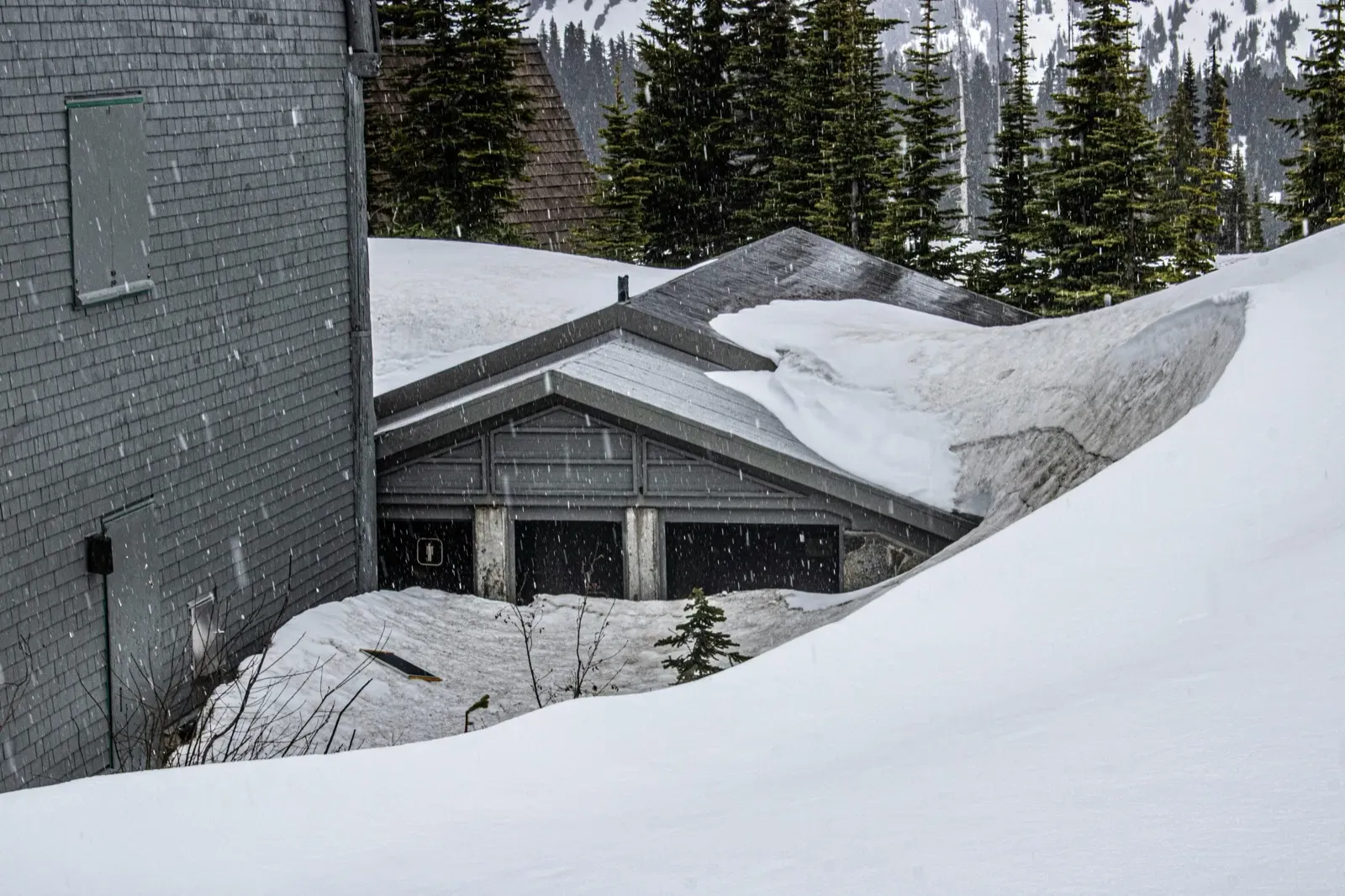
Heavy snow can collapse roofs and cause serious damage. Learn what snow load damage is, if home insurance covers it, and how to protect your home in Canada.
New to Canada and renting your first home? Learn what tenant insurance covers, why you need it, and how to get affordable coverage fast in Canada today.

Wondering if your tenant insurance covers your roommate in Canada? Learn when roommates are covered, when they aren't, and the smartest way to share coverage.
What is loss assessment coverage in condo insurance? Learn how it protects Canadian condo owners from unexpected special assessments and shared building costs.

A home inventory can make or break your tenant insurance claim. Learn how to document your belongings properly in Canada and what insurers need to see.

Ice dams can cause serious roof and water damage. Find out whether home insurance covers ice dam damage in Canada and how to protect your home this winter.


