Actual Cash Value
Share


Most renters think tenant insurance covers car break-ins in Canada; scenarios fall entirely under their rental policy. The reality splits down the middle. Your tenant insurance covers belongings stolen from inside the car. It does not cover damage to the vehicle itself. This divide trips up first-time renters who assume one policy handles everything. This article breaks down which insurer pays for what after a parking lot break-in, what your off-premises coverage actually includes, and how to file claims without leaving money on the table.
Tenant insurance car break-in Canada claims hinge on what was taken versus what was damaged. Your tenant policy covers personal belongings stolen from inside your car. It does not cover damage to the vehicle itself. Vehicle damage from a break-in falls under your auto insurance's comprehensive coverage, not your tenant policy. Off-premises personal property coverage is the specific clause that extends your tenant policy to belongings taken from your car. Most policies cap off-premises theft coverage well below your full contents limit. A break-in involving both stolen items and vehicle damage means filing two separate claims with two separate insurers.
Tenant insurance protects three main areas: personal property, personal liability, and additional living expenses if you're displaced. The off-premises coverage extension matters most after a car break-in. This clause extends your contents protection beyond your rental unit to belongings temporarily away from home. Renters often assume their policy only protects items inside their apartment. That assumption leaves them unprepared when a laptop disappears from their trunk.
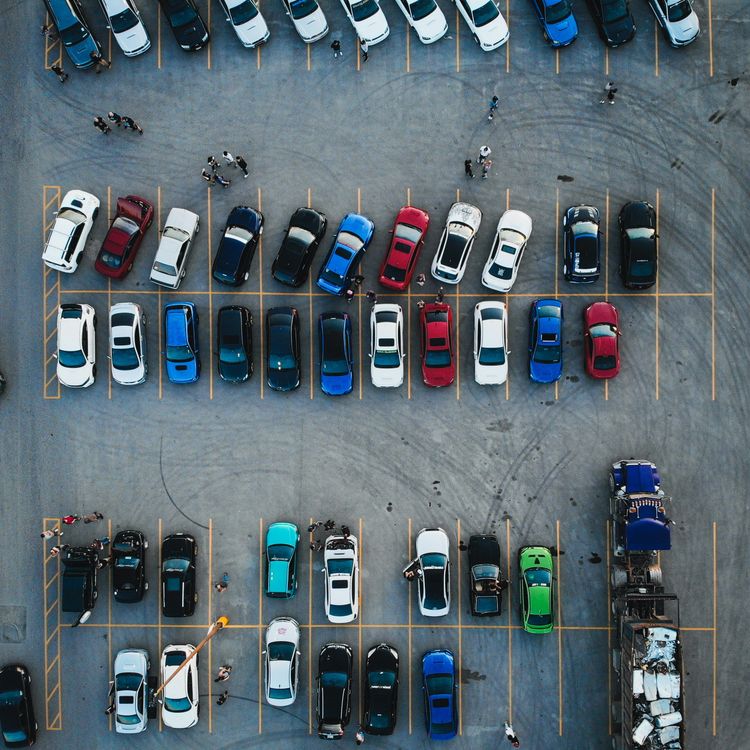
Tenant insurance may pay for personal property stolen from your vehicle. This protection applies whether your car sits in your building's parking lot, on the street, or in a shopping centre across town. Coverage follows your belongings, not your address.
The split is straightforward. Does renters insurance cover car theft of items inside? Yes. Damage to the car itself? No. A broken window or damaged lock is an auto insurance claim, not a tenant insurance claim. Stolen belongings like a laptop, bag, or gym equipment fall under your tenant policy's off-premises clause. This distinction catches first-time renters off guard because they expect one policy to cover the entire incident.
Most car insurance policies don't cover the loss of personal items such as electronics stolen from your car, and your home or tenant's insurance usually covers these losses. Your auto policy handles the vehicle. Your tenant policy handles your stuff.
Comprehensive coverage pays for vehicle damage after theft or vandalism. This includes broken windows, forced locks, ignition damage, or theft of the vehicle itself. Typical deductibles range from $500 to $1,000. Whether it's worth filing depends on the extent of the damage. Replacing a smashed window costs $200 to $400. A $500 deductible makes that claim pointless. Multiple broken windows, damaged door panels, and a stolen stereo might push costs above your deductible.
You need to know which policy to call first. If thieves broke your window and stole your backpack, contact your auto insurer for the window and your tenant insurer for the backpack. Two claims, two deductibles, two adjusters.
Electronics top the list. Laptops, tablets, phones, and chargers stolen from your car qualify as personal property. Bags, clothing, and personal accessories also count. Sports equipment and gym bags left in the vehicle fall under your contents coverage. Tenant insurance stolen from car Canada policies treat these items the same way they treat theft from your apartment.
Watch for exclusions. Cash and gift cards often carry very low sublimits. Business equipment usually requires a separate rider. Home insurance generally won't cover stolen or damaged equipment or tools while in your vehicle or outside your home, or while in your vehicle or outside your home for business use. If your work laptop was in the car, check whether your employer's insurance covers it first.
Off-premises theft is often capped at a percentage of your total contents limit or a flat sublimit. A $30,000 contents policy might restrict off-premises coverage to 10% or $3,000. Some insurers treat vehicles parked at your residence more favorably than vehicles parked elsewhere. Read the exact wording under "off-premises property" or "away from the dwelling" coverage.
Your deductible also matters. Toronto Community Housing's tenant information sheet explains that a $500 deductible on a $1,500 loss means you pay the first $500 and insurance covers $1,000. If thieves grabbed a phone worth $700 and your deductible sits at $500, you only collect $200. Filing may not be worth the claim on your record.
File a police report immediately and get a case number. Insurers require proof of theft. Contact your tenant insurer for stolen personal belongings. Contact your auto insurer separately for vehicle damage. Two different losses, two different policies.
Documentation to gather includes receipts, photos, and proof of ownership for every stolen item. The police report supports both claims. You must open your insurance claim before you complete repairs or replace items, and you should document all damages thoroughly to help the adjuster. Take photos of the broken window and ransacked interior, even if those damages fall under auto insurance.
Confirm your off-premises theft coverage and its sublimit directly with your insurer. Don't assume. A quick call tells you whether your policy caps off-premises theft at $2,000 or $5,000. That number determines whether you're adequately protected if you keep valuables in your car. Consider a rider or higher contents limit if you regularly transport electronics, musical instruments, or expensive gear. Learn more about tenant coverage options at Insurely.
Understand your deductible before deciding whether small claims are worth filing. A $1,000 deductible makes sense if you want lower premiums, but it also means losses under $1,000 come entirely out of your pocket. Renters insurance vehicle break-in Canada claims involving $600 worth of stolen items won't pay anything after a $1,000 deductible.
File a police report immediately and keep the case number. Contact your auto insurer for any damage to the vehicle itself. Contact your tenant insurer for stolen personal belongings. Gather receipts or proof of ownership for every stolen item. Check your policy's off-premises coverage sublimit before filing. Confirm your deductible so you know if the claim is worth submitting.
This checklist prevents the most common mistake renters make: calling only one insurer and missing coverage from the other. Tenant insurance parking lot theft involves two separate policies unless nothing was stolen from inside the car.
Yes. Tenant insurance covers personal belongings stolen from your car. It does not cover damage to the vehicle itself. That falls under your auto insurance.
No. A broken car window is vehicle damage. Your auto insurance's comprehensive coverage handles broken glass, not your tenant policy. Comprehensive coverage covers theft and vandalism to the car.
Yes, if both vehicle damage and stolen belongings occurred. One claim for the broken window with your auto insurer, one claim for stolen items with your tenant insurer.
Yes. Off-premises theft is often capped at a percentage of your contents limit, typically around 10%. A $30,000 policy might restrict off-premises coverage to $3,000. Check your exact sublimit.

Heavy snow can collapse roofs and cause serious damage. Learn what snow load damage is, if home insurance covers it, and how to protect your home in Canada.

Wondering if your tenant insurance covers your roommate in Canada? Learn when roommates are covered, when they aren't, and the smartest way to share coverage.

What is loss assessment coverage in condo insurance? Learn how it protects Canadian condo owners from unexpected special assessments and shared building costs.

A home inventory can make or break your tenant insurance claim. Learn how to document your belongings properly in Canada and what insurers need to see.

Ice dams can cause serious roof and water damage. Find out whether home insurance covers ice dam damage in Canada and how to protect your home this winter.
Does home insurance cover burst or frozen pipes in Canada? Learn what water damage is covered, what's excluded, and how to prevent pipe damage this winter.


