Actual Cash Value

Share


Canadian homebuyers who put down less than 20% face a mandatory cost that most don't fully understand. Primary mortgage insurance protects your lender if you default, not you. Premiums range from 0.6% to 4.5% of your mortgage amount, adding thousands to your loan. On a $400,000 home with 5% down payment, you'll pay $15,200 for this protection.
Here's what you need to know about when this insurance is required, what it actually covers, how much it costs across provinces, and whether you can avoid it.
It's mortgage loan insurance, also called mortgage default insurance. This insurance kicks in when your down payment is less than 20% of the purchase price. Federally regulated lenders must require it by law.
The insurance protects the lender against losses if you stop making payments. After foreclosure and property sale, the insurer compensates the lender for any remaining shortfall. You pay the premium, but the lender receives the protection.
Three providers offer this insurance in Canada: Canada Mortgage and Housing Corporation, Sagen Financial Mortgage Insurance Company Canada, and Canada Guaranty Mortgage Insurance Company. CMHC is government-owned and fully backed by federal guarantees.
What is PMI with a mortgage in practice? Your lender calculates the premium based on your loan-to-value ratio, then adds it to your mortgage principal. You pay it back over the life of your loan with interest.
The requirement triggers when you put down less than 20% on homes priced below $1 million. For homes between $500,000 and $1.5 million, you need 5% on the first $500,000 plus 10% on the remainder. Above $1.5 million, you need 20% down.
Watch out for homes priced at $1 million or more, as they cannot get mortgage loan insurance at all, even with small down payments.
The premium gets added to your mortgage amount. On a $380,000 loan with a 4% premium, you'd finance $395,200 instead of $380,000. You'll pay interest on that premium for 25 years.
Some lenders may still require this insurance even when you put 20% down if you're self-employed or have weak credit.
What mortgage insurance covers comes down to one thing: lender losses after you default. It covers the shortfall between what your property sells for after foreclosure and what you owe, including principal, interest, and certain collection costs.
It does not cover your payments if you lose your job. It does not protect your family if you die. It does not pay off your mortgage if you get sick. The government makes this clear: mortgage loan insurance "protects the mortgage lender in case you can't make your mortgage payments' and doesn't protect you".
You still owe money even after the insurer pays the lender. The insurer or lender can pursue you for any remaining balance through legal channels. Mortgage default insurance does not erase your debt or shield you from consequences.
Many homeowners confuse this with mortgage life insurance, which pays some or all of your mortgage if you die. That's optional creditor insurance sold separately. Mortgage loan insurance is mandatory for high-ratio loans and only protects banks.
Premiums range from 0.6% to 4.5% of your total mortgage amount, depending on your down payment size. Smaller down payments mean higher premiums because the lender's risk increases.
CMHC's exact rates for owner-occupied homes show the spread clearly. With 5% down (95% loan-to-value), you pay 4% of the mortgage amount. With 10% down (90% loan-to-value), you pay 3.10%. At 15% down (85% loan-to-value), you pay 2.80%. At 20% down, no insurance is required.
Here's what those rates mean in dollars. A $400,000 home with 5% down creates a $380,000 mortgage. The 4% premium costs $15,200. With 10% down, your mortgage drops to $360,000 and the premium falls to $11,160. With 20% down, your mortgage is $320,000 with no premium at all.
Your credit score affects your rate, too. Borrowers using borrowed funds for their down payment pay 4.5% instead of 4% at a 95% loan-to-value.
Provincial tax adds to your upfront cost. Ontario, Manitoba, Quebec, and Saskatchewan charge provincial sales tax on the premium. You must pay this tax in cash at closing since it cannot be added to your mortgage.
Most mortgages today are uninsured because buyers put 20% or more down. You need mortgage loan insurance only when your down payment falls below 20%, and you're borrowing from a federally regulated lender. Banks, federal credit unions, and trust companies must require it by law for high-ratio mortgages.
In Toronto, 87% of new mortgages are uninsured. In Vancouver, 90% are uninsured. High home prices push most properties above the $1 million insurance cap, forcing buyers to save larger down payments.
Recent data shows insured mortgages now represent just 15% of new mortgage originations nationwide. The shift toward uninsured lending reflects rising prices and higher buyer equity.
Saving 20% of the purchase price remains the clearest way to skip mortgage loan insurance entirely. On a $500,000 home, you need $100,000 down to avoid the premium.
Some lenders offer programs where they pay the premium themselves in exchange for a higher interest rate. This spreads the cost across your monthly payments instead of adding it up front. Compare the total cost over your mortgage term before choosing this option.
Consider different loan structures. An 80-10-10 approach uses a first mortgage at 80% of the home price, a second mortgage or line of credit for 10%, and your 10% down payment. This keeps your primary mortgage under the 80% threshold that triggers insurance requirements.
Buy a home priced under $1 million to keep insurance available as an option. Properties above this threshold cannot be insured regardless of down payment size.
Shop provincially regulated lenders and credit unions. Their rules can differ from federal requirements, though they still assess risk carefully.
Unlike American mortgages, Canadian mortgage loan insurance premiums are paid up front and added to your loan. You cannot cancel the insurance or remove the premium once it's part of your mortgage.
Your only option is refinancing. When your home value increases, or you pay down enough principal to reach 20% equity, you can refinance into an uninsured mortgage. This means applying for a new mortgage, paying legal fees, and potentially facing different interest rates.
The loan-to-value calculation matters here. Your lender orders a new appraisal to confirm your home's current value. If your home appreciated from $400,000 to $480,000 and you've paid your mortgage down to $360,000, your loan-to-value drops to 75%. You qualify for uninsured financing.
Refinancing costs money. Expect $1,000 to $2,000 in legal fees plus potential appraisal costs. Compare these expenses against the interest you'd save by eliminating the premium from your mortgage balance.
Home value appreciation speeds this process. In markets where prices rose quickly, some buyers reached 20% equity within three to five years and refinanced out of their insured mortgages.
Mortgage loan insurance differs completely from mortgage life insurance. Mortgage life insurance pays some or all of your mortgage balance if you die or suffer certain covered events. It's optional creditor insurance that protects your family, not your lender.
Home insurance is different again. It covers physical damage to your property from fire, theft, and other perils. Lenders require home insurance to protect the collateral securing your loan. You need both home insurance and mortgage loan insurance if you put less than 20% down.
These three products serve separate purposes. Mortgage loan insurance lets you buy with less than 20% down. Mortgage life insurance protects your family from mortgage debt if you die. Home insurance protects the physical building. Don't confuse them when budgeting for homeownership.
Mortgage loan insurance helps you buy sooner with less cash. Instead of waiting years to save 20% down, you can enter the market with 5% to 10%. In a $500,000 market, that means $25,000 to $50,000 instead of $100,000.
It enables access to lower interest rates. CMHC notes that mortgage loan insurance lets lenders offer "interest rates comparable to those generally reserved for borrowers with larger down payments" because the lender's risk drops. Insured rates often beat uninsured rates by 0.10% to 0.30%.
The downside is permanent cost. A 4% premium on a $380,000 mortgage adds $15,200 to your loan. You'll pay interest on that premium for the entire mortgage term. Over 25 years at 4% interest, that premium costs roughly $23,000 in total payments.
Your monthly payment increases, too. The larger mortgage principal from the added premium means higher monthly obligations. On the $400,000 home example, going from 5% to 20% down reduces your total cost by about $58,670 over 25 years.
Remember that the insurance protects the lender exclusively. If you default, you still face foreclosure, credit damage, and potential pursuit for any deficiency balance. The premium buys the lender protection, not you.
Calculate what waiting costs versus what insurance costs. If home prices in your market rise 5% annually, delaying one year to save more down payment could mean buying the same home for $20,000 more. Compare that price increase against the insurance premium you'd pay buying now.
Run the numbers on your specific situation. CMHC helped buyers purchase over 48,000 housing units in 2023 using mortgage loan insurance. Most of those buyers decided that entering the market sooner justified the premium cost.
Consider your debt service ratios. Some buyers only qualify with an insured loan because uninsured lenders apply stricter ratios.
Factor in provincial tax. Ontario, Manitoba, Quebec, and Saskatchewan buyers pay sales tax on the premium in cash at closing. Add this to your calculation of total upfront costs.
Think long-term. If you plan to move or refinance within five years, the premium cost might outweigh the benefit of buying now. If you're settling for 10 to 15 years, entering the market sooner often makes more sense despite the insurance expense.
Understanding whether primary mortgage insurance is worth paying — and how it fits into the true cost of homeownership — can mean the difference between entering the market at the right time and spending tens of thousands of dollars more than you need to. With premiums reaching 4.5% of your mortgage, provincial taxes due at closing, and no option to cancel once it's added to your loan, getting this decision right from the start matters enormously.
With Insurely's real-time data access and smart insights, you can:
Whether you're a first-time buyer weighing a 5% down payment, trying to determine when you can refinance into an uninsured mortgage, or simply want to understand what you're actually paying for, Insurely ensures you have the clarity to make confident decisions.
Reach out for a quote today to explore how Insurely can help you navigate mortgage insurance costs and build a homeownership plan that works for your budget — not just your lender's.
In Canada, it's mortgage loan insurance that protects your lender if you default. Required when you put less than 20% down on homes under $1 million.
Mortgage loan insurance is added to your mortgage when the down payment is below 20%. Federally regulated lenders must require it by law for high-ratio loans.
Premiums range from 0.6% to 4.5% of your mortgage amount. Smaller down payments trigger higher rates. Expect $11,000 to $15,000 on typical purchases.
No. Only 35% of outstanding mortgages are insured. You avoid it by putting 20% or more down, or buying homes above $1 million.
It covers lender losses after you default and foreclosure. Protects the lender only. Does not protect you or erase your debt.
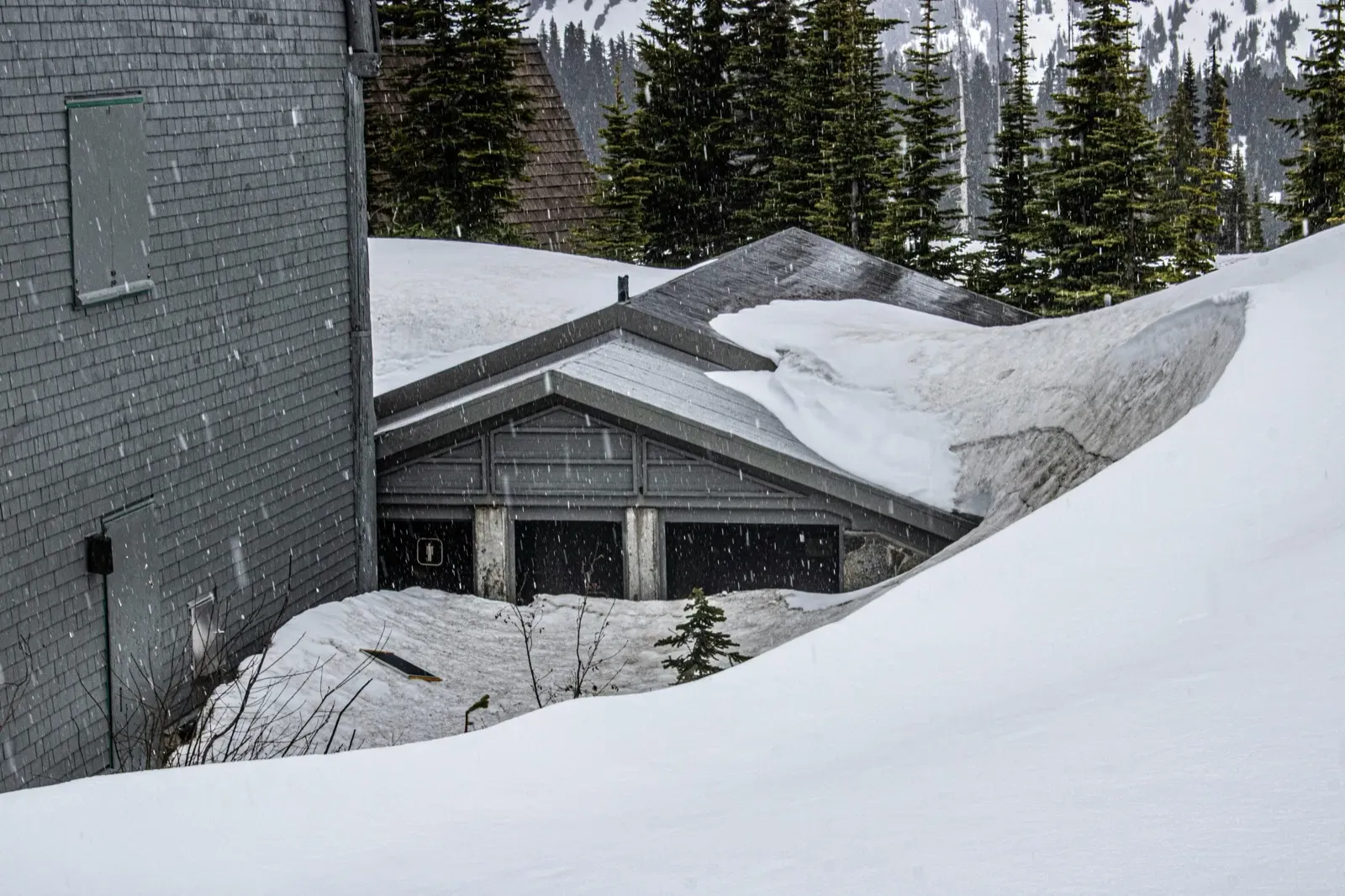
Heavy snow can collapse roofs and cause serious damage. Learn what snow load damage is, if home insurance covers it, and how to protect your home in Canada.

Wondering if your tenant insurance covers your roommate in Canada? Learn when roommates are covered, when they aren't, and the smartest way to share coverage.
What is loss assessment coverage in condo insurance? Learn how it protects Canadian condo owners from unexpected special assessments and shared building costs.

A home inventory can make or break your tenant insurance claim. Learn how to document your belongings properly in Canada and what insurers need to see.

Ice dams can cause serious roof and water damage. Find out whether home insurance covers ice dam damage in Canada and how to protect your home this winter.
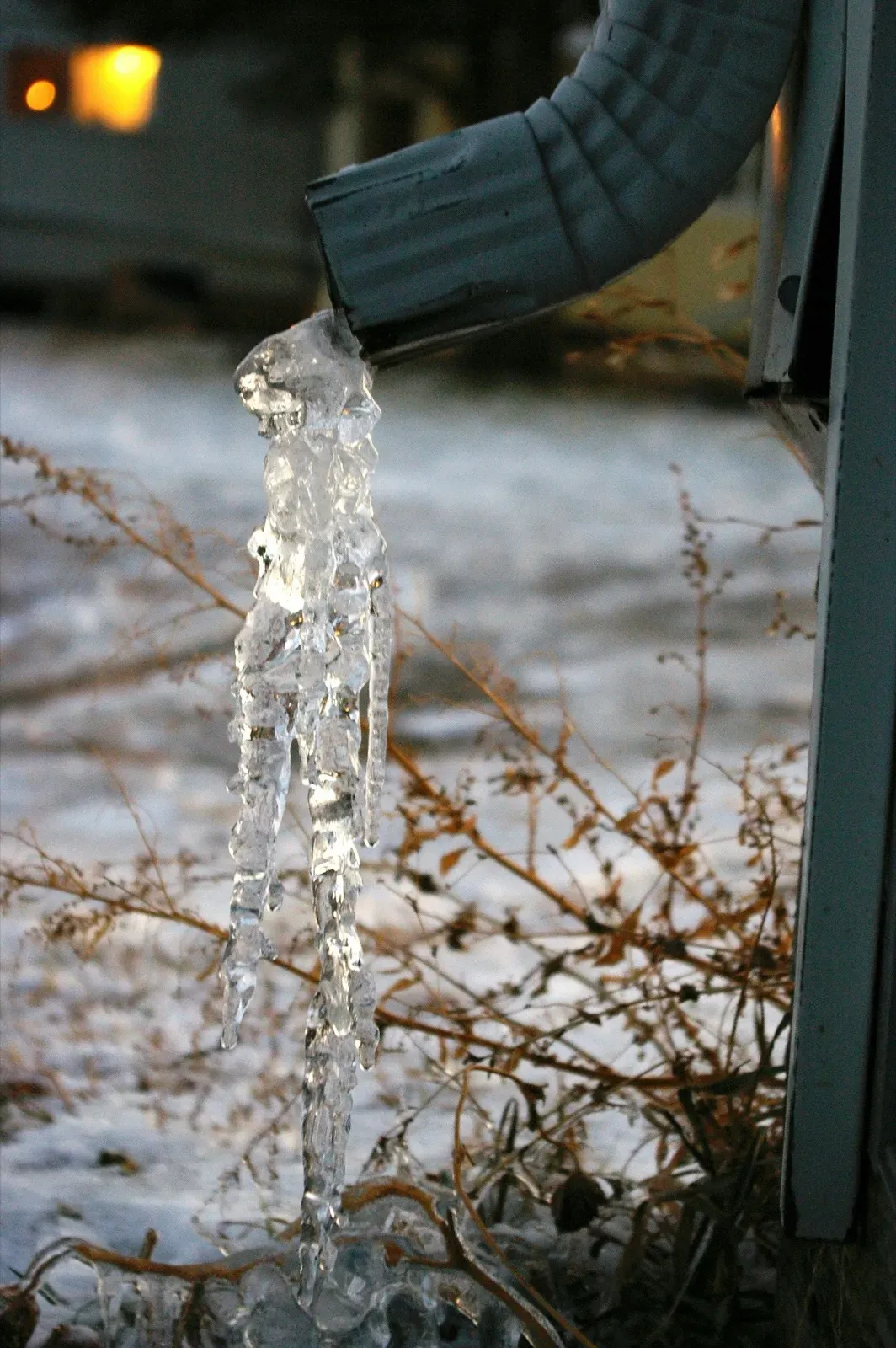
Does home insurance cover burst or frozen pipes in Canada? Learn what water damage is covered, what's excluded, and how to prevent pipe damage this winter.


