Actual Cash Value
Share


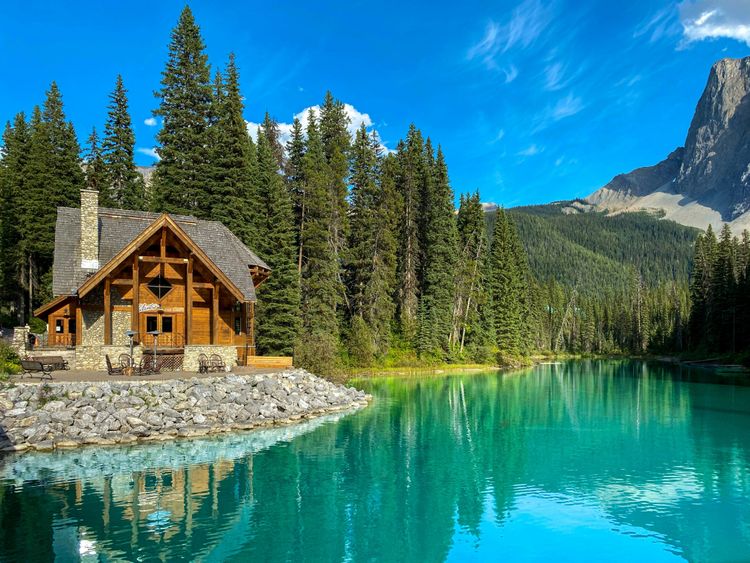
Most cabin and cottage owners assume their regular home policy covers the property the same way a city house is covered. Log cabin insurance in Canada requires a different approach. Standard homeowners policies are built for year-round primary residences, not seasonal properties that sit vacant for months or log structures with specialty rebuild costs. If you're financing a rural cottage insurance Canada purchase, your lender requires proof of coverage at closing. Getting the wrong policy leaves you exposed to claim denials when frozen pipes burst, or fire spreads through unprotected log walls.
Standard homeowners' policies are built for primary, year-round residences. Seasonal property insurance is defined as coverage for properties used part of the year, such as cottages and cabins. These properties often remain unoccupied for long periods and are far from emergency services, increasing risk.
Log home insurance in Canada faces additional challenges. Log and timber construction is treated as a higher risk by many insurers due to fire behavior and specialty rebuild costs. Extended unoccupancy increases the risk of undetected damage—frozen pipes, break-ins or pest infestations. IBC notes seasonal properties can present higher risks than a primary home.
Where you live determines what you pay. Your rate isn't random—insurers weigh occupancy patterns, construction materials and how far your cabin sits from fire protection. Insurers won't write coverage for some remote log properties at all.
Construction type drives pricing. Log walls are valued and rebuilt differently than conventional framing. The pool of insurers actively writing log construction risk is smaller and more specialized than the standard homeowners market.
Replacement cost versus actual cash value matters for specialty log or timber structures. Replacement cost pays to rebuild the structure to its original condition using similar materials. Actual cash value deducts depreciation, which can leave you short thousands of dollars if a 30-year-old log cabin burns down. Watch for: Insurers may default to actual cash value for older log homes unless you specifically request and qualify for replacement cost coverage.
There is a difference between seasonal home insurance for properties used occasionally, described as basic and limited coverage, and homeowner's insurance for a second residence used every weekend or year-round, where you can choose comprehensive or specified-perils coverage.
Unoccupancy clauses control how many consecutive vacant days a policy allows before coverage is restricted. Depending on the policy, coverage is often limited to named perils such as fire, wind, smoke, explosion, and some sudden accidental damage, and comprehensive protection may not be available.
What insurers typically require to keep a vacant seasonal home insurance Canada policy in force includes heat maintained above freezing, water shut off and pipes drained, and regular check-ins, often every three to seven days during winter. Requirements differ for summer-only cottages versus winterized, heated log cabins.
Summer-only properties may allow longer unattended periods if plumbing is shut down entirely. Winterized cabins with active heating systems face stricter inspection requirements. If you don't meet the terms and file a claim, the insurer can reduce payment or deny it outright.
Dwelling coverage based on the rebuild cost of the log or timber structure forms the foundation. For primary and secondary homes, many policies can include guaranteed building replacement, meaning the insurer pays the full rebuild cost even if above the policy limit, subject to conditions. Seasonal policies may not offer this protection.
Detached structures—boathouses, sheds, docks and bunkies—are often covered as a percentage of the dwelling limit or on specified limits. Personal contents include furniture, appliances and recreational equipment. Infoassurance notes that property remaining at the cottage permanently should be claimed under the cottage policy.
Personal liability at $1 million minimum, $2 million recommended for waterfront properties, covers injury to others or damage to others' property. Water and sewer backup coverage and overland water coverage are critical for lakefront or riverfront properties. Additional living expenses cover extra costs like temporary accommodation if the property becomes uninhabitable after an insured event.
Distance to the nearest fire hall or hydrant tops the list. Remote, heavily treed locations are seen as significantly higher fire total-loss risk. Properties more than 25 to 30 kilometers from a fire hall or without hydrant protection often face surcharges or coverage refusals.
Wildfire risk zone and surrounding vegetation matter. Catastrophic claims reached $8.6 billion in 2024, with four events in a 30-day window, including the Jasper wildfire at $1.1 billion. Cabins in BC Interior, Alberta foothills and northern Ontario face intense scrutiny.
Waterfront exposure and overland flood risk drive costs. IBC analysis indicates flooding has produced about $9 billion in insured flood losses in the last 10 years, nearly half in 2024 alone. Construction age, log or timber type, and heating source—including wood stoves—all factor into pricing. Year-round occupancy versus seasonal-only use creates a pricing gap, with vacant properties paying more.
Calculating rebuild cost—not market value—for the structure prevents underinsurance. Market value includes land. Rebuild cost includes materials, labor, and specialty log construction techniques. Estimating contents value requires inventorying furniture, appliances, tools, and outdoor equipment. Boats and ATVs may need separate policies or endorsements.
Setting liability limits based on waterfront activities and guest traffic protects you if someone drowns at your dock or gets hurt on your property. Considering overland water and flood add-ons for lake or river properties is no longer optional. There was over $3.1 billion in insured losses from severe weather in 2023, most of which was water-related.
Your lender typically requires dwelling coverage at least equal to the rebuild cost or outstanding loan balance.
Before closing day, if you're purchasing, most lenders require proof of insurance. You can't finalize a mortgage without showing valid coverage. Before cottage season begins each year for seasonal owners renewing or reviewing coverage, check that your policy hasn't changed terms or added exclusions.
What your mortgage lender requires versus what your property actually needs can differ. Lenders care about protecting their loans. You need to protect against all risks your property faces, including overland flood and vacant-home water damage that basic policies exclude.
Homeowners' home and mortgage insurance premiums rose 45% from December 2019 to December 2025. Extreme weather is identified as one of the dominant forces reshaping the home insurance market.
Have these details ready: construction type (solid log, timber frame, conventional), square footage, heating source (electric, propane, wood stove), waterfront status, and distance to fire services. What to compare beyond monthly price includes coverage limits, deductibles, unoccupancy terms, and exclusions. A lower premium with a named-perils form and 90-day unoccupancy restriction may cost you more in a claim than a higher premium with comprehensive coverage.
Check whether the policy covers log or timber-frame construction explicitly. Some insurers exclude specialty construction or require engineering reports before quoting. Verify the unoccupancy clause maximum allowable vacant days and what you must do to comply—heat maintained, water shut off, visit frequency.
Insurely simplifies quote comparison for log cabin and cottage owners by connecting you with insurers who specialize in seasonal and rural properties. You provide details once and receive multiple quotes showing coverage differences side by side.
Confirm your policy specifically covers log or timber-frame construction. Check the unoccupancy clause and maximum allowable vacant days—policies typically allow 30 to 90 days unoccupied, with stricter limits in winter. Add coverage for detached structures including dock, shed, boathouse and bunkie as separate line items or confirm percentage coverage is adequate.
Get overland water and flood coverage if the property is on a lake or river. This endorsement is optional but increasingly necessary. Set personal liability at a minimum of $1 million. $2 million is recommended if you have a dock, boat, or host guests regularly.
Compare at least three quotes from insurers who specialize in cabins and cottages. Standard home insurers may decline log construction or remote properties outright.
Not usually. Standard policies cover year-round primary residences. Seasonal or log properties need specialized coverage built for vacancy and construction risk.
Yes, typically. IBC notes seasonal properties can present higher risks than primary homes due to vacancy and remoteness, which increases premiums.
Your policy includes an unoccupancy clause limiting consecutive vacant days. Violating terms can void claims. You must maintain heat, shut off water, or visit regularly.
Often included under detached structures coverage. Check your policy limits—the percentage of dwelling coverage may not fully replace specialized waterfront structures.
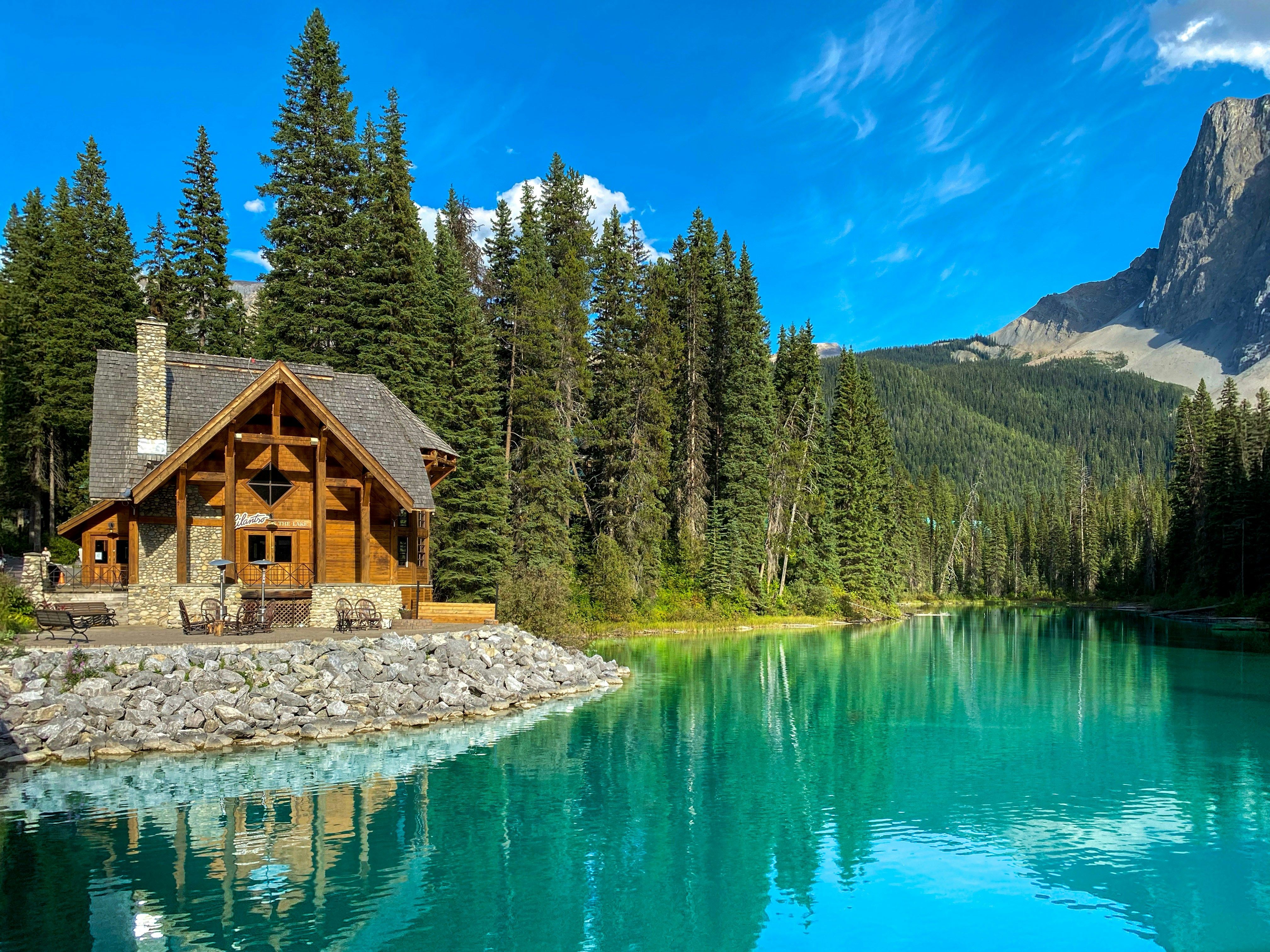
Own a log cabin or cottage in Canada? Learn why standard home insurance falls short, what coverage you actually need, and how to protect it year-round.

Sharing a home with parents, in-laws, or adult kids? Learn how multigenerational home insurance works in Canada and what coverage your family needs.

Going through a divorce or separation in Canada? Learn what happens to your home insurance, who keeps the policy, and how to update coverage the right way.

ust inherited a home in Canada? Learn what happens to the existing policy, when coverage lapses, and how to get the right insurance in place.
Buying a power of sale or foreclosed home in Canada? Learn what insurance you need before closing, including vacancy and liability coverage.

Thinking about a trampoline or playground set? Learn what your home insurance actually covers, what raises your liability risk, and how to stay protected.


