Actual Cash Value

Share


Ontario homeowners paid 2.5% more for home insurance in 2025 compared to the year before. That rate sits above the national average. But is house insurance mandatory in Ontario? No, not by law. You can own a home without coverage if you pay cash and accept the full financial risk. However, your mortgage lender requires it. Banks require property insurance before approving your loan, and for as long as that mortgage exists. That means nearly every Ontario homeowner with financing carries coverage whether they want to or not. Let’s take a look at when coverage becomes required, when you can skip it, what happens if you go uninsured, and how to choose the right policy when you need one.
Is house insurance mandatory in Ontario from a legal standpoint? No. Ontario has no statute forcing homeowners to buy insurance. You can legally own property without a policy.
That changes when you borrow money. Mortgage lenders require property insurance as a condition of loan approval. Banks protect their investment by requiring you to insure the building. You must maintain that coverage until you pay off the mortgage.
Most Ontarians still need it. If you have a mortgage, you have no choice. If you own outright, you face the full cost of fire, theft, or storm damage on your own. A $400,000 rebuild cost comes from your savings if you skip coverage.
Lenders control the process. They want assurance that you will repair or rebuild if disaster strikes. Without coverage, they lose their collateral.
Financial protection drives most decisions. Severe weather caused over $3.1 billion in insured damage across Canada in 2023. That total jumped to over $8 billion in 2024. Fire, wind, theft, and water losses happen daily. Coverage prevents financial ruin.
The risks stack up fast. A house fire costs hundreds of thousands to repair. Liability claims from visitor injuries can reach six figures. Burst pipes flood basements. Without coverage, you pay everything yourself. Most Canadians treat home insurance as mandatory in Ontario as a practical reality, even when the law does not require it.
Ownership structure determines requirements. Mortgaged homes need coverage because lenders demand it. Homes owned outright have no such requirement. You can skip insurance if you own the property free and clear.
That freedom comes with massive risk. You bear the entire cost of rebuilding if fire destroys your home. You pay legal fees and settlements if someone gets hurt on your property. You replace stolen belongings from savings. No insurance means no financial backstop.
Watch for: Most people cannot afford that exposure. A typical Ontario home rebuild costs $300,000 to $500,000 or more. Few homeowners can write that cheque without insurance payouts. That reality makes coverage necessary even when law does not.
Condo corporations face legal requirements. Ontario's Condominium Act requires corporations to insure buildings and common elements. That coverage protects shared spaces, not individual units.
Individual owners face different rules. Ontario law does not generally require unit owners to buy personal condo insurance. The Condominium Authority of Ontario says owners "should also strongly consider getting insurance" for their property and liability. That wording suggests a recommendation, not a legal mandate.
Is condo insurance mandatory in Ontario in practice? Often yes. Condo bylaws frequently require owners to carry unit coverage. These contractual requirements become enforceable rules. Mortgage lenders also require condo insurance before approving loans. Between bylaws and lender demands, most condo owners must buy coverage even though provincial law does not force them to.
Corporation policies leave gaps. They cover building structure, but not your unit upgrades or contents. You need your own policy to cover granite countertops, hardwood floors, furniture, and electronics. You also need liability protection for incidents inside your unit.
Fire costs add up instantly. Rebuilding a destroyed home costs $300,000 to $500,000 in many Ontario markets. You pay that entire bill from savings if you lack coverage. Temporary housing during repairs costs $100 to $200 per night. Those expenses drain bank accounts fast.
Mortgage violations trigger consequences. Your lender can demand immediate proof of insurance. Failure to provide it violates your mortgage agreement. Banks can call the loan, forcing you to pay the full balance or face foreclosure. That risk makes going uninsured financially impossible for most mortgaged homeowners.
Liability exposure grows large. Someone slips on your icy walkway and breaks a hip. Medical bills and lost wages total $150,000. You pay that settlement yourself without liability coverage. Legal defence costs add thousands more, even if you win the case.
Theft and water damage hurt too. Burglars steal $20,000 in electronics and jewellery. A burst pipe floods your finished basement, destroying $30,000 in renovations. Every loss comes from your pocket when you skip coverage.
Property damage protection forms the base. Coverage pays for fire, storm, wind, and theft damage to your building. That includes roof repairs after hail, siding replacement after wind, and structural repairs after fire.
Personal belongings get coverage, too. Policies protect furniture, electronics, clothing, and appliances stolen or damaged by covered perils. Some policies even cover items stolen from your vehicle.
Liability protection matters greatly. You are covered for visitor injuries on your property. Policies also cover accidental damage you cause to others' property. That protection extends to legal defence costs if someone sues.
Additional living expenses help during repairs. Your policy pays hotel and meal costs if you must move out temporarily after an insured loss. That coverage keeps you housed while contractors rebuild.
Floods need separate coverage. Overland flooding from rivers, lakes, or heavy rain is usually excluded from basic policies. You must buy separate flood coverage if you want protection. Many Ontario homeowners skip this and face huge bills when basements flood.
Earthquakes require add-ons, too. Standard policies exclude earthquake damage. You need special endorsement coverage for seismic risk. That matters less in Ontario than BC, but coverage still costs extra.
Wear and tear gets no payout. Aging roofs, old furnaces, and deteriorating pipes are your responsibility. Insurance covers sudden damage, not gradual breakdown. Regular maintenance prevents these costs.
Negligence voids coverage. Frozen pipes from leaving your home unheated in winter may not be covered. Insurers expect reasonable property care. Careless behaviour can void claims.
Buying with a mortgage makes coverage mandatory. Your lender requires proof of insurance before closing. You must maintain that coverage until the mortgage is paid off. Missing even one premium payment violates your loan agreement.
Renting changes the equation. Tenants do not own the building, so they do not need homeowners' coverage. Landlords can require tenant liability insurance as a lease condition. That protects both parties from liability claims and content losses.
Condo ownership usually requires coverage. Between mortgage lenders and condo bylaws, most owners must buy unit insurance. Even if not required, the coverage protects your investment and belongings. Corporation insurance only covers common areas.
Owning outright gives you choice. You can legally skip coverage if you own the home free and clear. That decision makes sense only if you can afford to rebuild from savings and accept unlimited liability risk. Most people cannot.
Compare policies from multiple providers. Premiums vary significantly across companies. Ontario homeowners pay above the national average at 390.6 on the index compared to 367.9 nationally. Shopping around finds better rates.
Understand coverage limits before buying. Replacement cost coverage rebuilds your home at current prices. Actual cash value pays depreciated amounts. Know which you are getting. Undercoverage leaves you paying the difference after a total loss.
Balance cost against protection. Higher deductibles lower premiums, but increase out-of-pocket costs when you claim. A $1,000 deductible saves money monthly but costs more per claim than a $500 deductible. Choose what fits your budget and risk tolerance.
Use tools that simplify comparison. Platforms like Insurely help you compare coverage options and find policies that match your needs. Expert guidance prevents coverage gaps and overpaying.
Price differences reach hundreds of dollars annually. Home insurance premiums increased about 6.6% across Canada in 2023. Some companies charge significantly more than others for identical coverage. Comparing quotes saves money.
Coverage gaps cause claim denials. Not all policies cover the same perils. Some exclude sewer backup, wind, or specific water damage. Reading the fine print prevents nasty surprises after a loss. Comparison shopping highlights these differences.
Benefits multiply with better platforms. Using a comparison tool shows you multiple options at once. You see premium differences, coverage variations, and deductible choices side by side. That transparency helps you make informed decisions and avoid paying more than necessary.
Understanding whether home insurance is truly mandatory in Ontario — and what happens when you're caught without adequate coverage — can mean the difference between a manageable claim and a financial catastrophe that wipes out decades of savings. With lender requirements, condo bylaws, rising premiums, and a growing list of excluded perils all working against the average homeowner, assuming your current policy fully protects you is a risk few Ontarians can afford to take.
With Insurely's real-time data access and smart insights, you can:
Whether you're a first-time buyer navigating lender insurance requirements, a condo owner trying to understand where your corporation's policy ends and your personal coverage must begin, or a freehold homeowner wondering if your current policy is actually worth what you're paying, Insurely ensures you're never left guessing about the protection standing between you and Ontario's growing weather and liability risks.
Reach out for a quote today to explore how Insurely can help you find the right coverage at the right price — before a mortgage violation, a denied claim, or an uninsured loss makes that decision for you.
Not legally required. Your lender requires it if you have a mortgage. Own outright, and you can skip coverage, but you bear all financial risk.
No provincial law forces homeowners to buy coverage. Banks require it for mortgaged properties. Condo bylaws often require unit owners to carry insurance.
Yes, lenders require property insurance before approving mortgages. You must maintain coverage as long as the loan exists. Missing premiums violates your mortgage agreement.
Not by provincial law, but condo bylaws usually require it. Mortgage lenders also demand coverage. Corporation insurance covers common areas, not your unit or belongings.
Yes, if you own the property outright and no bylaws require coverage. You accept full financial risk for damage, theft, and liability without protection.
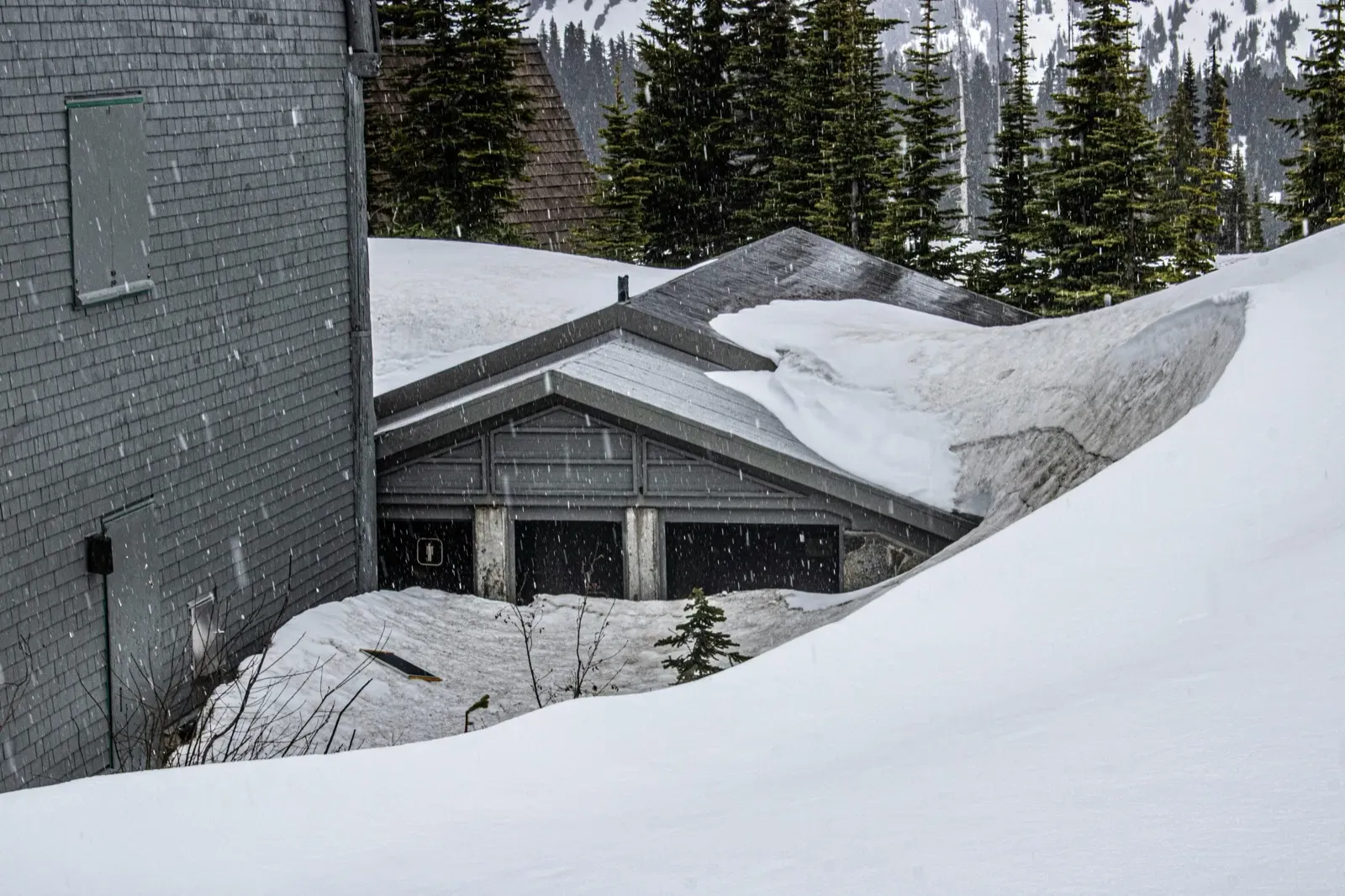
Heavy snow can collapse roofs and cause serious damage. Learn what snow load damage is, if home insurance covers it, and how to protect your home in Canada.

Wondering if your tenant insurance covers your roommate in Canada? Learn when roommates are covered, when they aren't, and the smartest way to share coverage.

What is loss assessment coverage in condo insurance? Learn how it protects Canadian condo owners from unexpected special assessments and shared building costs.

A home inventory can make or break your tenant insurance claim. Learn how to document your belongings properly in Canada and what insurers need to see.

Ice dams can cause serious roof and water damage. Find out whether home insurance covers ice dam damage in Canada and how to protect your home this winter.
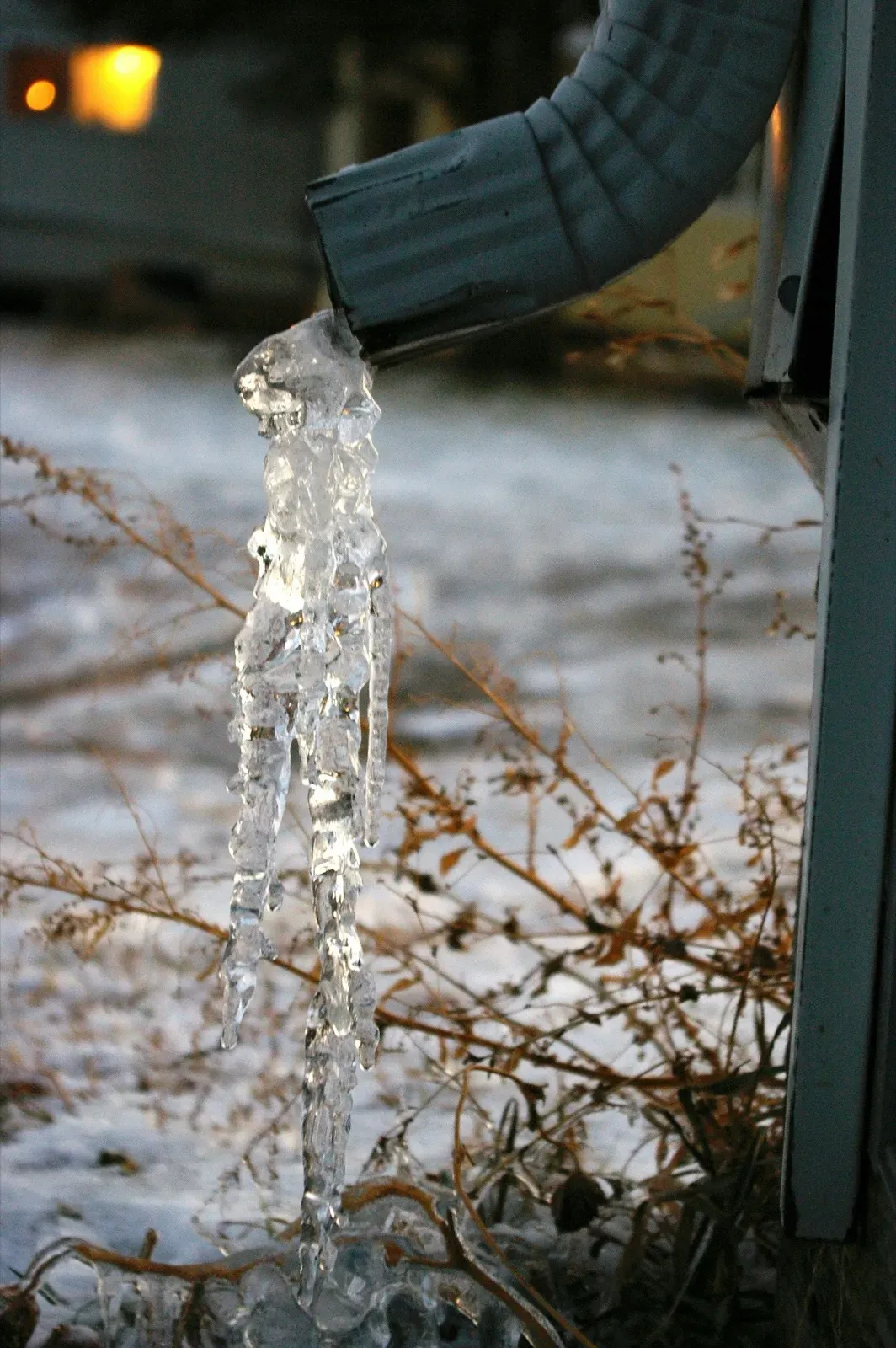
Does home insurance cover burst or frozen pipes in Canada? Learn what water damage is covered, what's excluded, and how to prevent pipe damage this winter.


