Actual Cash Value
Share


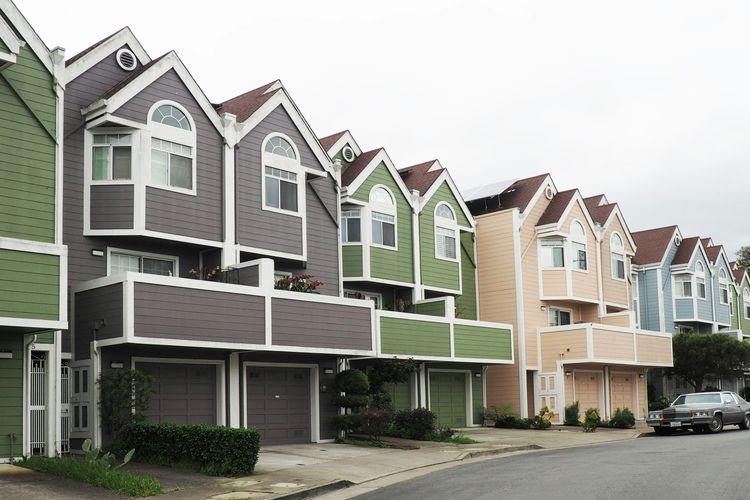
Canadian homeowners typically encounter three different structures: condo or strata corporations, title-based homeowners' associations, and voluntary neighbourhood groups. The first two carry legal weight and directly affect your insurance coverage, costs, and potential out-of-pocket expenses. Many owners discover too late that HOA association rules determine who pays when something requires repairs or when things go wrong.
Find out what control HOA regulations have, how they interact with your home insurance policy, and what you need to protect yourself from costly surprises.
In Canada, HOA regulations refer to legally enforceable rules governing shared-ownership properties or planned communities. Condo and strata corporations operate under provincial legislation, such as Ontario's Condominium Act or B.C.'s Strata Property Act. Every owner automatically becomes a member and must follow the corporation's declaration, bylaws, and rules.
Title-based homeowners' associations exist primarily in Alberta master-planned communities. These associations register encumbrances directly on property titles. Fees become mandatory obligations that come with the property.
Voluntary neighbourhood associations have no legal authority to mandate fees or enforce property rules. These grassroots groups rarely impact insurance decisions beyond the safety programs they might sponsor.
The rules for HOA communities control four main areas that directly affect insurance risk and coverage.
Property appearance and maintenance rules dictate paint colours, landscaping standards, and exterior modifications. Even in bare land condominiums, corporations often control roof repairs and shingle colours, and may require permission to change doors or build decks. Your insurer cares because these rules determine whether the damage resulted from proper maintenance or neglect.
Parking and vehicle restrictions set limits on where you park, what types of vehicles you can store, and guest parking rules. Some communities ban RVs or commercial vehicles entirely. Insurance companies view these rules as risk controls that affect liability exposure.
Renovation and structural change approvals require board permission before you alter your unit or lot. Installing a deck, finishing a basement, or adding a pool typically needs written approval. Making unauthorized changes can void insurance coverage for those improvements and create liability issues.
Noise, pet, and community behavior guidelines cover everything from quiet hours to pet size limits to BBQ restrictions on balconies. Fire safety rules regarding balcony storage or grill usage directly impact your liability coverage and claim eligibility.
The HOA board elected by owners creates and enforces rules within the framework of provincial legislation and the corporation's governing documents. Local or provincial governments don't regulate day-to-day HOA operations, though consumer protection legislation applies to specific issues such as human rights or rental restrictions.
Boards enforce compliance through warning letters, fines, and in serious cases, legal action. For unpaid fees or fines, condo corporations can place liens on your unit. Alberta title-based associations use the registered encumbrance to secure payment, giving them similar collection power.
Watch out for bylaws that allow corporations to charge enforcement costs and legal fees directly to your account, compounding the financial impact of violations.
Reviewing HOA documents happens during the home purchase process. Request the declaration or condo plan, bylaws, rules, and any published insurance policies from the seller or their agent. These documents outline exactly what the corporation controls and what remains your responsibility.
Asking the HOA board or property manager directly provides current information that might not appear in older documents. Request recent board minutes, financial statements, and any pending rule changes or special assessments. Property managers can explain how rules are enforced in practice versus what's written on paper.
Checking disclosures during home purchase varies by province. Ontario sellers must provide a status certificate detailing fees, special assessments, corporation insurance, and outstanding violations. Other provinces have similar disclosure requirements, though specifics differ.
Owners should understand maintenance responsibilities before purchasing to avoid unexpected costs for repairs they assumed the corporation would handle.
Association bylaws create three critical intersections with your insurance coverage.
Restrictions affect claims eligibility when rules prohibit certain uses or modifications. If your bylaws ban short-term rentals but you list your unit on vacation rental sites, your insurer can deny claims related to that prohibited use. The FCAC notes you must inform your insurer if you rent part or all of your home, and standard policies don't cover business-like uses without endorsements.
Requirements for maintenance and repairs determine whether damage counts as an insured peril or an excluded maintenance issue. The FCAC says home insurance doesn't cover predictable events related to maintenance, such as pipes freezing when you leave for more than four days without adequate precautions. Bylaws that require minimum heat levels or water shut-offs while away make compliance an insurance condition, not just an association rule.
Liability risks tied to HOA compliance create personal exposure when you violate safety rules. If your prohibited balcony BBQ causes a fire, both the association and your insurer will question coverage. Insurely helps you match association requirements with proper coverage selections.
The split between corporate and personal coverage confuses most owners. HOA master policy coverage protects common areas, including hallways, roofs, exterior walls, elevators, and mechanical systems. Many corporations also insure the "standard unit" as defined in the bylaws, which might include original flooring, cabinets, and fixtures. The corporation policy covers liability for incidents in common spaces and directors' and officers' liability.
What homeowners still need to insure includes personal contents, improvements and betterments beyond the standard unit, additional living expenses if you can't occupy your unit after a loss, and personal liability. The CAO emphasizes that owners should carry coverage for situations where the corporation may charge back its insurance deductible.
Coverage gaps typically occur at unit boundaries. Without a clear standard unit definition, owners face uncertainty about whether the corporation or personal policy covers specific components.
Bare land condos create the largest coverage gap. According to CCI South Saskatchewan, most bare land developments, corporations don't insure buildings not shown on the condo plan, leaving owners responsible to fully insure their homes, liability, and property.
Through three mechanisms, rules for homeowners' associations directly influence claim outcomes.
Mandatory maintenance requirements establish owner responsibilities that insurers expect you to meet. If bylaws require you to maintain in-unit plumbing or heating equipment and you neglect repairs, insurers treat resulting damage as preventable maintenance rather than an insured event. Your claim gets denied while the corporation potentially charges you for damage to other units.
Renovation approvals impact insurance when you make unauthorized changes. Installing upgraded flooring or custom cabinets without board approval can void coverage for those improvements. Some policies require documented approval before insuring betterments beyond the standard unit.
Liability rules for shared spaces determine who pays when incidents occur in common areas you're required to maintain. If your bylaws make you responsible for your assigned parking spot and someone slips on ice you didn't clear, both the association rules and your liability coverage come into play. The corporation may have primary coverage, but can seek a contribution from you based on the bylaws.
Association violations create layered financial consequences beyond simple fines.
Fines and penalties start with warning letters, followed by monetary penalties that vary by province and corporation. Unpaid fines accumulate as a lien against your property. Condo corporations can prevent you from selling until you clear outstanding amounts.
Insurance claim complications arise when violations contribute to damage. Condo owners who incorrectly assume the building policy covers damage originating in their unit often learn otherwise when violations are factored in. Your personal insurer may deny coverage for losses resulting from rule violations while the corporation seeks payment for its deductible and repair costs.
Legal and financial consequences multiply when corporations sue owners for damage to common elements or other units. B.C. legislation explicitly allows strata corporations to recover insurance deductibles from owners responsible for damage. You could face denied personal claims, deductible chargebacks potentially reaching tens of thousands of dollars, legal fees, and ongoing fines.
Matching your coverage to association requirements requires four steps.
Understand your HOA's master policy by requesting copies of the corporation's current insurance policies and certificates. Identify coverage limits, deductible amounts for each peril, and what the policy specifically includes or excludes. The CAO notes deductibles can range from hundreds to tens of thousands of dollars. Industry reports cite building deductibles as high as $500,000 in some high-risk properties.
Identify personal coverage gaps by comparing what the corporation insures against what you own and are responsible for maintaining. Calculate the replacement value of your contents, document any improvements beyond the standard unit, and confirm whether you need liability coverage for home-based business activities.
Compare policies for better protection by evaluating deductible assessment coverage limits, water damage endorsements, and earthquake coverage if you're in a high-risk zone.
Get expert guidance to avoid underinsurance by working with brokers who understand the intersection of association bylaws and insurance coverage. Bare land condo owners particularly need advice since they typically require full homeowners coverage rather than basic condo policies.
There are four practices that can help you stay aligned with association rules while maintaining proper insurance coverage.
Keep updated with rule changes by attending annual general meetings, reading board communications, and checking for bylaw amendments. Corporations can modify rules affecting insurance requirements with relatively short notice. Missing updates can leave you non-compliant or underinsured.
Document maintenance and repairs with photos, receipts, and dated records of work completed. This documentation proves compliance with association maintenance requirements and supports insurance claims. It also protects you if the corporation claims you're responsible for damage that actually resulted from common element failures.
Communicate with the HOA before making changes by submitting written renovation requests and obtaining approval in writing before starting work. Verbal approvals don't protect you when insurance questions arise. Keep approval letters with your policy documents.
Review your insurance annually as rising catastrophe losses push corporate deductibles higher. IBC reports that severe weather in 2023 caused over $3.1 billion in insured damage nationally. These losses drive deductible increases that directly affect your assessment risk exposure.
Understanding how HOA regulations interact with your home insurance can be overwhelming, especially when coverage responsibilities are split between the corporation and individual owners, deductibles can reach hundreds of thousands of dollars, and violations can result in denied claims at the worst possible time. Insurely can help make things clearer for you.
With Insurely's real-time data access and smart insights, you can:
Whether you own a condo, a bare land unit, or a home in a title-based community, Insurely ensures you're never left uncertain about where the corporation's coverage ends and your responsibility begins.
Reach out for a quote today to explore how Insurely can help you stay fully informed and confidently covered, no matter what your HOA requires.
Legally binding rules governing shared-ownership properties or planned communities. In Canada, this usually means condo or strata corporations, or title-based associations in Alberta communities.
Elected owner boards create and enforce rules within provincial legislation. They use fines, liens, and legal action to ensure compliance with bylaws and payment of fees.
Bylaws determine maintenance responsibilities, use restrictions, and deductible payment obligations. Violations can result in denied claims, while high corporate deductibles create personal financial exposure requiring additional coverage.
Request declaration, bylaws, rules, and insurance documents from the seller. In Ontario, status certificates detail fees and insurance. Ask property managers for recent board minutes and pending changes.
Maintenance requirements, renovation approval rules, and liability assignments for shared spaces directly affect whether insurers cover damage and who pays corporate deductibles after losses.
Heavy snow can collapse roofs and cause serious damage. Learn what snow load damage is, if home insurance covers it, and how to protect your home in Canada.

Wondering if your tenant insurance covers your roommate in Canada? Learn when roommates are covered, when they aren't, and the smartest way to share coverage.

What is loss assessment coverage in condo insurance? Learn how it protects Canadian condo owners from unexpected special assessments and shared building costs.

A home inventory can make or break your tenant insurance claim. Learn how to document your belongings properly in Canada and what insurers need to see.

Ice dams can cause serious roof and water damage. Find out whether home insurance covers ice dam damage in Canada and how to protect your home this winter.
Does home insurance cover burst or frozen pipes in Canada? Learn what water damage is covered, what's excluded, and how to prevent pipe damage this winter.


