Actual Cash Value
Share


Water damage caused 68% of all home insurance claims in Quebec in 2024, and the average cost of a claim hit $23,550. Does homeowners' insurance cover water leaks? Yes, but only specific types. Your policy covers sudden accidents like burst pipes. It won't pay for slow drips you ignored for months.
Coverage depends on where the water came from and why it happened. Knowing the difference between a covered event and an exclusion saves you from filing a claim that gets denied. This article walks through exactly what's covered, what's not and how to protect yourself without wasting money on coverage you don't need.
Yes, if the damage is sudden and accidental. Your policy pays for water escaping from burst pipes, overflowing bathtubs or failing appliances. The damage to your floors, walls and belongings gets covered.
Your policy doesn't pay if damage stems from neglect or gradual leaks. A slow drip behind your bathroom wall that you never fixed? Not covered. Water seeping through your foundation over the years? Not covered without extra protection.
Standard Canadian home insurance covers water damage from inside your home when something fails suddenly. Think of it as emergency protection, not a maintenance plan.
Burst pipes rank as the most common covered event. When a pipe ruptures in your wall during a cold snap, your insurer pays to fix the damaged drywall, flooring and soaked furniture. Your policy also covers leaking hot water tanks when they fail unexpectedly.
Appliance leaks get covered when they happen suddenly. Your washing machine's supply hose bursts while you're doing laundry? Covered. Your dishwasher's drain hose wears out and floods your kitchen? Covered. The same applies to water heater leaks and refrigerator line breaks.
Accidental overflows fall under standard protection, too. You get distracted and leave the bathtub running? The resulting water damage is covered. A toilet overflows because something got stuck? Same deal.
Your policy pays for damage to your home's structure and your belongings. Ruined hardwood floors, water-stained walls, destroyed furniture and damaged electronics all qualify for claims when the water source is covered.
Insurance companies draw a hard line at maintenance issues. Gradual leaks and seepage don't qualify as sudden accidents. That slow drip under your sink that finally rotted through the cabinet? Your insurer calls that neglect.
Poor maintenance kills more claims than any other factor. Worn shingles, corroded pipes and aging fixtures are your responsibility. When these fail, insurers argue the damage was predictable. Your policy isn't a home repair fund.
Foundation water leaks and groundwater seepage require separate coverage. Water entering through cracks in your basement walls after heavy rain? Not covered by standard policies. Surface water pooling against your foundation and seeping in? Same story.
Flood-related damage sits outside basic coverage entirely. Overflowing rivers, spring runoff and storm surge all need overland flood endorsements. Standard policies explicitly exclude water from external sources.
Watch out for frozen pipe exclusions when you leave home during winter. Most insurers won't cover burst pipes if you're gone more than four days without having someone check your heating daily or drain your pipes completely.
Does home insurance cover plumbing? The answer splits into two parts. Your policy typically covers damage caused by plumbing failures. It usually doesn't pay to fix the actual pipes.
When a pipe bursts and floods your basement, your insurer pays to dry the space, replace damaged drywall and fix ruined flooring. The bill for tearing out the old pipe and installing new plumbing? Often on you, especially if the pipe failed from age or corrosion.
Does homeowners insurance cover plumbing repairs themselves? Rarely. Insurance covers sudden damage to insured property. Your 40-year-old galvanized pipes aren't insured property. Replacing them falls under maintenance.
This distinction confuses homeowners constantly. You file a claim expecting full plumbing replacement. Your adjuster approves water damage repairs but denies the cost of new pipes. Canadian regulators make this clear: your policy isn't designed to finance home upgrades.
Some policies offer limited plumbing coverage. Service line endorsements can cover underground water line breaks. These optional add-ons vary by insurer and come with their own deductibles.
Water leak insurance is industry shorthand for add-on endorsements that expand basic coverage. Standard policies leave major gaps around sewer backup, groundwater and flooding. Optional coverage fills these holes.
Sewer backup protection ranks as the most popular water endorsement. When your municipal sewer overflows and sends waste into your basement, basic policies don't pay. This endorsement covers cleanup, repairs and damaged property. Typical limits range from $25,000 to $100,000.
Overland flood coverage protects against surface water entering your home. Spring runoff, heavy rainstorms and overflowing rivers all qualify. Repairing a flooded basement costs over $40,000 on average. Without this coverage, you're paying out of pocket.
Groundwater endorsements handle water seeping through foundations and walls. After heavy rain, water can enter through cracks and gaps even without a flood. Standard policies exclude this. The endorsement covers it.
You need extra protection if you live in a flood zone, have a finished basement or own property in areas with aging sewer systems. Checking flood maps through Insurely helps you understand your specific risks.
Understanding coverage gets easier with concrete examples.
Scenario 1: Your heating pipe freezes and bursts during a January cold snap while you're home. Water floods your living room. This claim gets approved. The damage is sudden and you were maintaining normal occupancy. Your insurer pays for flooring, drywall and damaged furniture.
Scenario 2: You notice a small drip under your kitchen sink in March. You ignore it. By June, the cabinet is rotted and mould is growing. This claim gets denied. The leak was gradual, and you failed to address it promptly. Insurers call this maintenance neglect.
Scenario 3: A severe windstorm tears shingles off your roof. Rain pours through the opening and damages your ceiling and bedroom. This claim is covered. The storm created a sudden opening. The resulting water damage qualifies as an insured peril.
Scenario 4: Spring snowmelt raises the water table. Groundwater seeps through small foundation cracks and soaks your basement carpet. Without a groundwater endorsement, this claim gets denied. Basic policies exclude seepage from external water sources.
The pattern is clear. Sudden internal failures get covered. Gradual problems and external water don't.
Speed matters when water is involved. Contact your insurer immediately when you discover damage. Most companies have 24-hour claim lines. Calling within hours improves your approval odds.
Document everything before you clean up. Take photos and videos of the water source, damaged areas and affected belongings. Capture water levels if flooding occurred. This evidence supports your claim narrative.
Stop further damage right away. Shut off the water supply if possible. Move salvageable items out of wet areas. Place buckets under active leaks. Insurers expect you to prevent additional damage once you're aware of the problem.
Keep detailed records of everything. Write down when you discovered the leak, what caused it and what actions you took. Save receipts for any emergency repairs. Store damaged items until an adjuster inspects them. Don't throw out evidence.
Work with your adjuster cooperatively. Answer questions directly. Provide access for inspections. Supply requested documentation promptly. Claims move faster when you respond quickly to insurer requests.
The cause of damage tops every adjuster's checklist. Sudden and accidental events get approved. Gradual damage from wear and poor maintenance gets denied. Your adjuster will investigate how long the problem existed before you noticed it.
Your maintenance history comes under scrutiny. Insurers review past inspections, repair records and general upkeep. A well-maintained home with regular plumbing checks gets more benefit of the doubt than a property with deferred maintenance.
Policy exclusions and limits determine payout amounts. Even covered events have caps. Sewer backup endorsements typically max out at specific dollar amounts. Overland flood coverage includes percentage deductibles that can run thousands of dollars.
Reporting timeliness affects approval, too. Claims filed months after damage occurred raise red flags. Insurers question why you waited. Delayed reporting suggests the damage wasn't sudden or that you're trying to pass off old problems as new events.
Regular plumbing inspections catch problems before they become claims. Hire a licensed plumber every few years to check supply lines, drain pipes and fixtures. Small repairs now prevent major damage later.
Monitor appliances and their connections closely. Check washing machine hoses annually. Replace them every five years regardless of appearance. Inspect dishwasher connections for wear. Look for rust or corrosion on water heater tanks.
Install leak detection devices in high-risk areas. Place sensors near water heaters, under sinks, behind washing machines and in basements. Modern systems send alerts to your phone when they detect moisture. Early warning prevents thousands of dollars in damage.
Maintain your roof and drainage systems year-round. Clean gutters twice annually. Ensure downspouts direct water away from your foundation. Fix missing or damaged shingles promptly. Proper drainage stops water from finding ways into your home.
Test your sump pump before the spring melt and heavy rain seasons. Pour water into the pit to verify it activates. Keep a battery backup system in case of power failures during storms.
Compare coverage options before buying. Don't just look at premiums. Check what types of water damage are covered and what requires endorsements. Cheap policies often exclude more perils.
Understand exclusions completely before signing anything. Ask your broker to explain exactly what "gradual damage" means in your policy. Get clarity on maintenance requirements. Know your occupancy obligations during winter.
Look for add-ons that match your risks. Properties in flood zones need overland coverage. Homes with finished basements benefit from sewer backup protection. Older houses should consider service line endorsements.
Get expert guidance to avoid claim issues later. Insurance brokers explain coverage gaps and help you build the right protection package. They know which endorsements matter for your specific property and location.
Canadian home insurance premiums jumped 76% between 2014 and 2024, climbing from $539 to $948 annually nationwide. Water damage drove much of this increase. More than $8 billion in catastrophe losses hit Canadian insurers in 2024 alone. Prices will keep rising. Buying smart coverage now saves money long-term.
Understanding exactly when your home insurance covers water leaks and when it doesn’t can mean the difference between a fully paid claim and an unexpected bill that runs into the tens of thousands of dollars. With coverage depending on the cause, timing, maintenance history, and the specific endorsements on your policy, it's easy to find yourself underprotected without realizing it.
With Insurely's real-time data access and smart insights, you can:
Whether you're dealing with a finished basement at flood risk, aging plumbing, or simply want to know if your current policy has dangerous gaps, Insurely ensures you're never caught off guard by a water damage exclusion you didn't know existed.
Reach out for a quote today to explore how Insurely can help you stay fully informed and confidently covered — before the next pipe bursts.
Yes, if damage is sudden and accidental. Burst pipes and appliance failures qualify. Gradual leaks from poor maintenance don't. Insurers pay for resulting damage, not old pipe replacement.
Yes. Burst pipe damage gets covered under standard policies when pipes fail suddenly. Your insurer pays for structural repairs and damaged belongings. Frozen pipe bursts need proper winter home maintenance.
Not without a groundwater endorsement. Water seeping through foundation cracks after rain requires optional coverage. Standard policies exclude groundwater infiltration. Check your policy for this gap.
Document damage immediately with photos. Stop further water entry. Contact your insurer within hours. Keep repair receipts. Provide access for adjuster inspections. Quick action improves approval odds.
Gradual leaks, poor maintenance damage, groundwater seepage without endorsements, flooding without overland coverage and sewer backup without add-ons. Frozen pipes when you ignored winter occupancy rules also get denied.
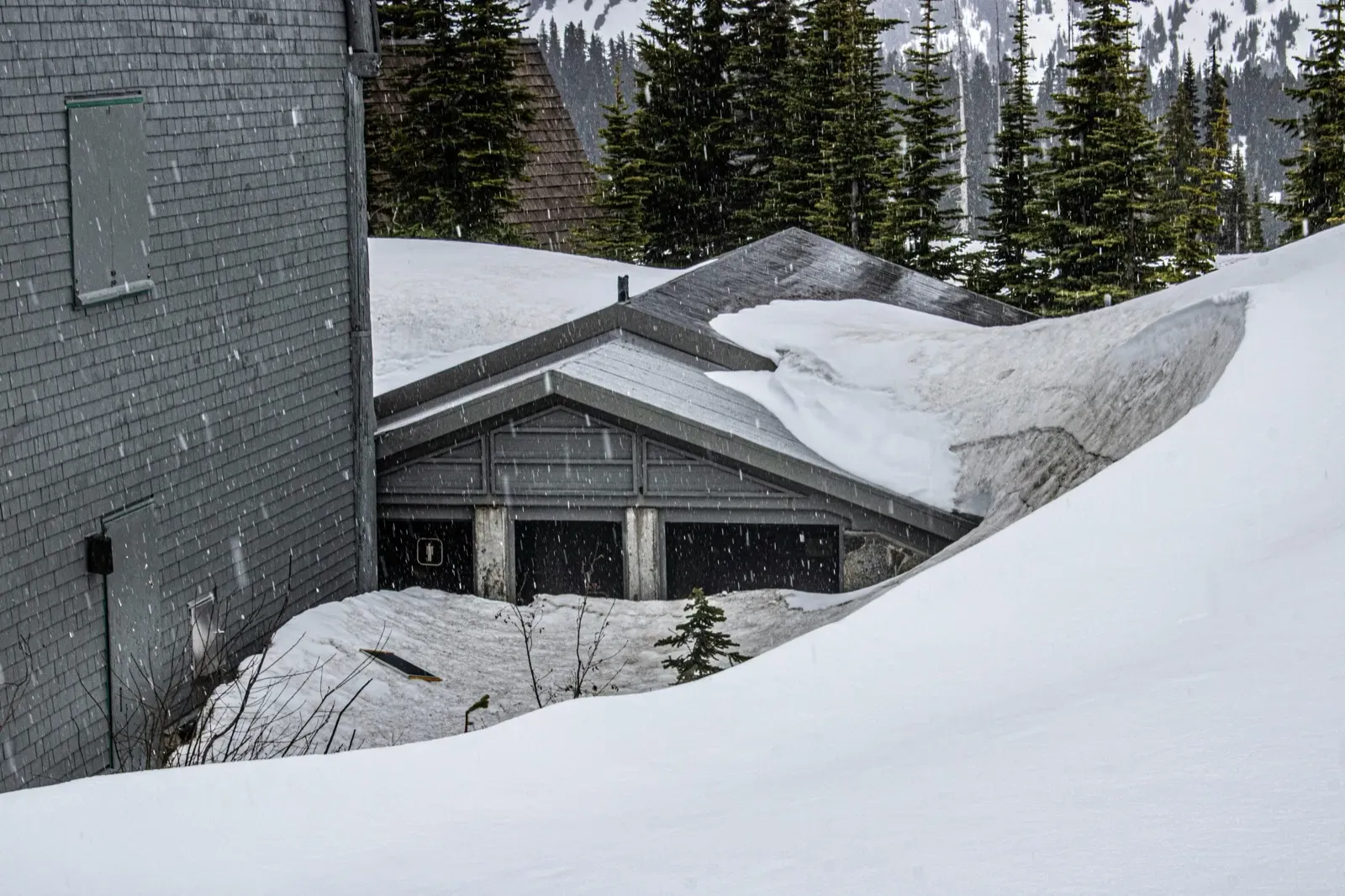
Heavy snow can collapse roofs and cause serious damage. Learn what snow load damage is, if home insurance covers it, and how to protect your home in Canada.

Wondering if your tenant insurance covers your roommate in Canada? Learn when roommates are covered, when they aren't, and the smartest way to share coverage.

What is loss assessment coverage in condo insurance? Learn how it protects Canadian condo owners from unexpected special assessments and shared building costs.
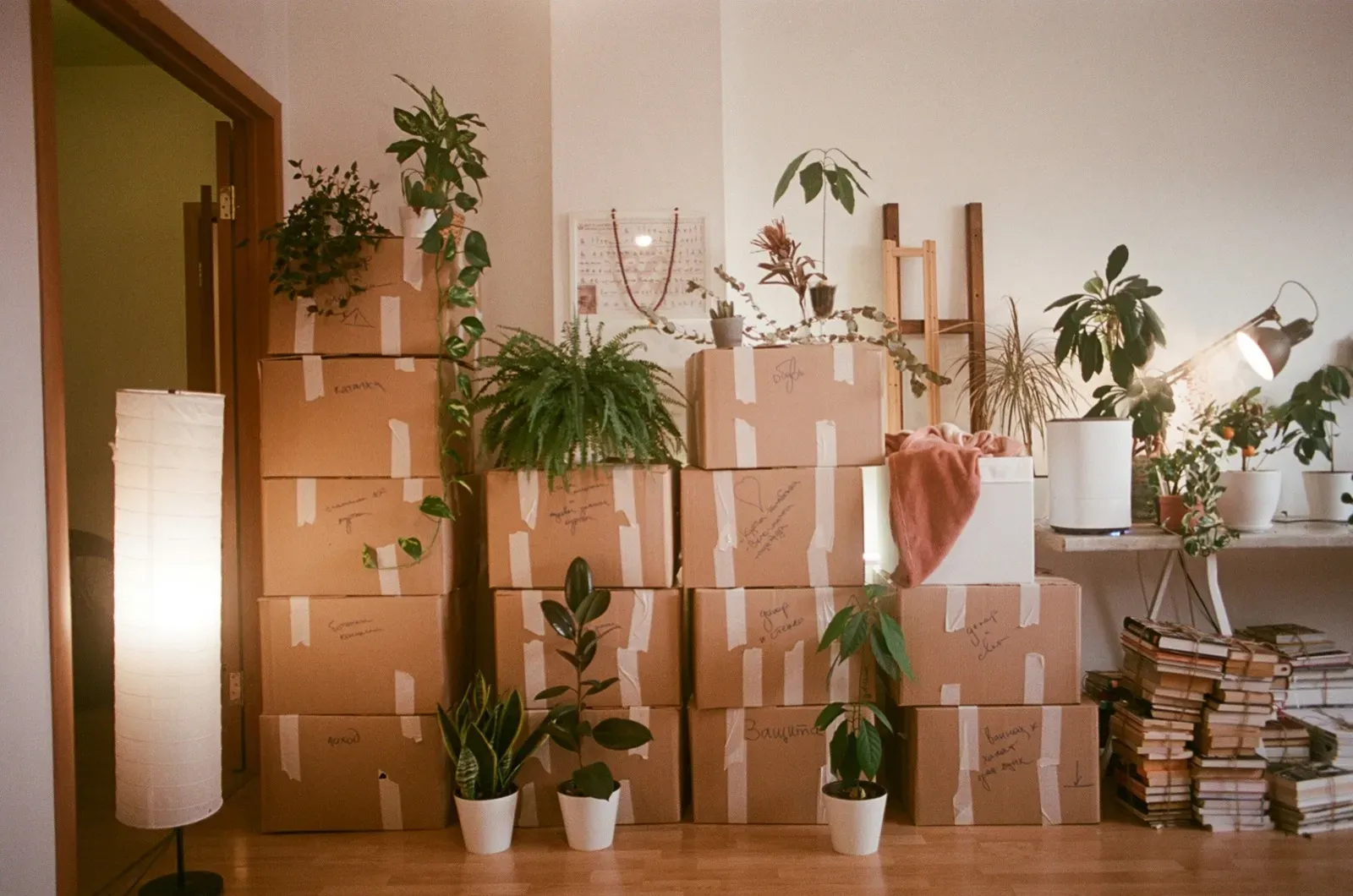
A home inventory can make or break your tenant insurance claim. Learn how to document your belongings properly in Canada and what insurers need to see.

Ice dams can cause serious roof and water damage. Find out whether home insurance covers ice dam damage in Canada and how to protect your home this winter.
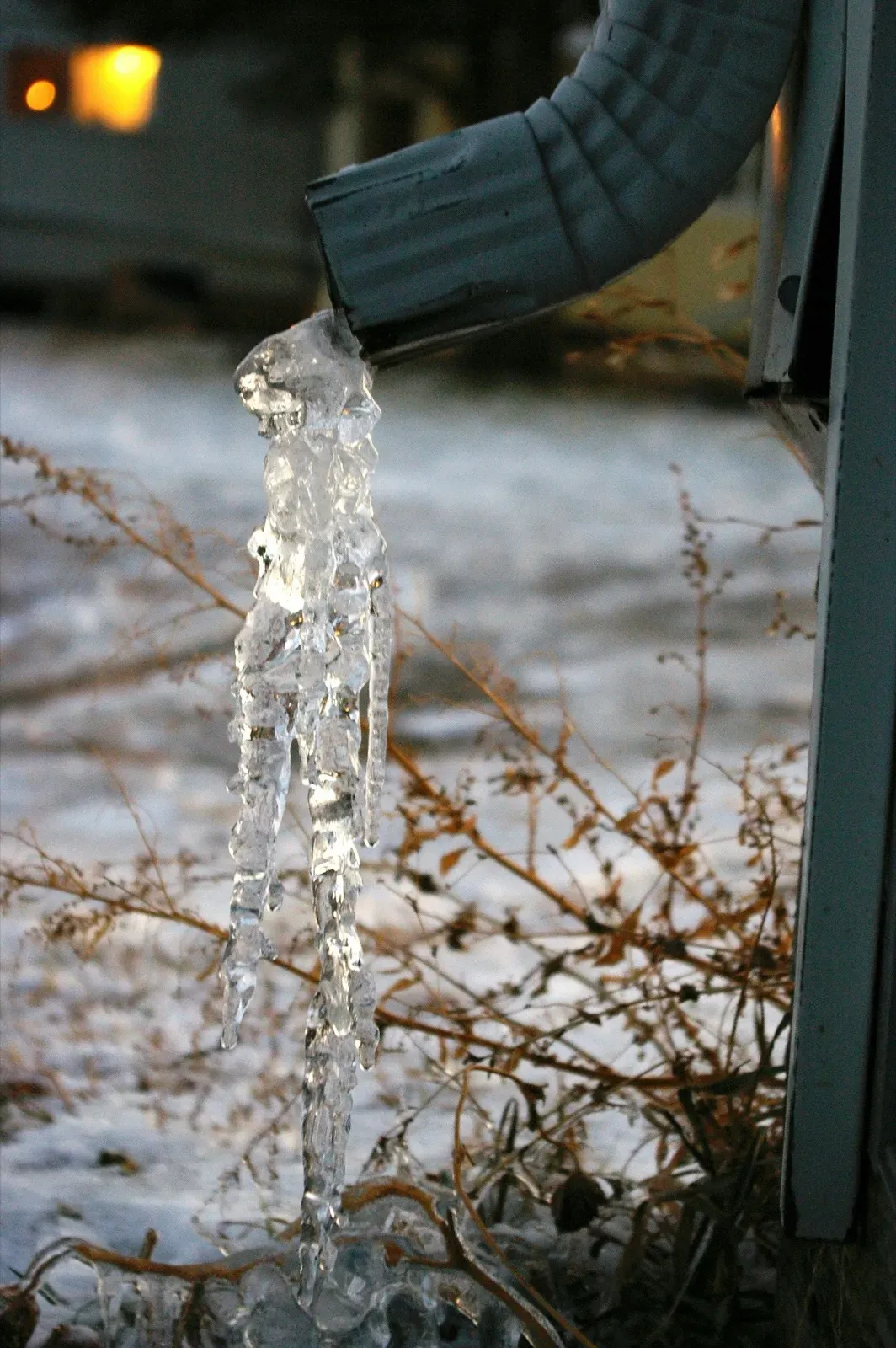
Does home insurance cover burst or frozen pipes in Canada? Learn what water damage is covered, what's excluded, and how to prevent pipe damage this winter.


