Actual Cash Value
Share


Most homeowners assume pest damage home insurance Canada policies treat that damage like fire or wind loss. They don't. Rats and mice can spread disease and damage property through gnawing and nesting, yet insurers almost universally exclude repair costs.
Insurers classify pest infestations as maintenance issues rather than sudden and accidental losses. Home insurance doesn't cover events the insurer considers predictable or maintenance-related, such as long-term deterioration or damages caused because a home was not properly maintained. Pests fit that category because homeowners can control entry points, housekeeping, and regular pest control.
Standard exclusion language across Canadian policies is blunt. Damage by insects and rodents is explicitly excluded under uninsured perils, with some policies making an exception only for damage to building glass. The Canadian Red Cross homeowners' insurance fact sheet cites as a typical exclusion: "Losses or damages that are caused by rodents or vermin. Vermin are wild animals that are destructive". That wording appears in policies from multiple insurers, making the exclusion industry-wide rather than an outlier.
The difference between pest damage itself and secondary damage matters. If mice chew wiring and you discover charring but no fire occurs, the wiring repair is excluded. If the same wiring later causes a fire that spreads to framing and contents, the insurer covers the fire damage as a standard fire peril while still excluding the underlying wiring problem. Proving the secondary damage was sudden and accidental is your burden.
Does home insurance cover rodent damage in most cases? No. Chewed insulation, drywall, and nesting damage are excluded as direct pest damage. None of those repair costs are covered under standard policies.
Coverage kicks in only when rodent damage triggers a separate insured peril. An electrical fire caused by chewed wiring is the most common scenario. Even when a peril is excluded, resulting damage from a different insured peril may still be covered. The fire damage to your building and contents is covered. The cost to replace the chewed wiring does not.
Watch for: Insurers expect documentation proving the fire was sudden and accidental, not a slow smolder from wiring you ignored for months. You need dated photos of the damage, a fire marshal's report if one was completed, and receipts showing you maintained the home. If you knew about rodents for weeks before the fire, the insurer may argue you failed to maintain the property and deny the entire claim.
Home insurance termite damage Canada policies exclude it almost universally. Termites cause major structural damage to wood framing, but that gradual destruction is not a sudden insured peril.
Insurers treat termites as a gradual, preventable issue. Home insurance doesn't cover damage caused by neglect, even if the damage itself feels sudden. Termite colonies can grow undetected for years before structural failure becomes visible. That timeline makes the damage predictable and within your control through regular inspections and baiting systems.
Regions with termite activity may still require separate inspections for financing or resale. Lenders want proof that the structure is sound. Those inspections and any resulting treatment are your cost. Termite control services and warranties are purchased separately from exterminators, not through home insurance.
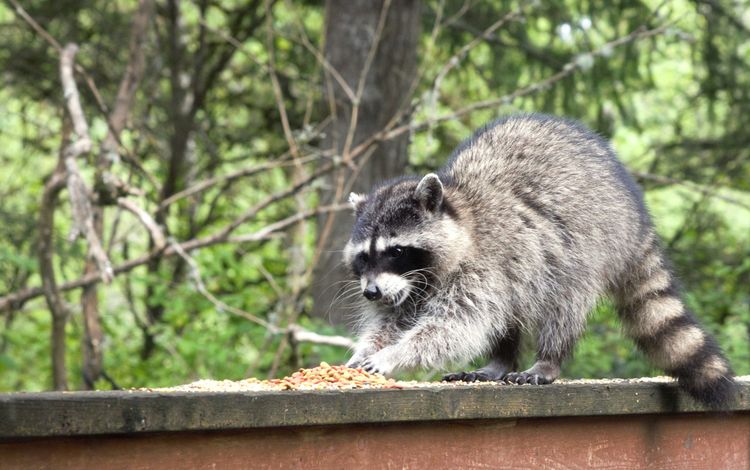
Raccoon damage home insurance Canada policies treat raccoons as pests in most cases, but there's more variability than for rodents or insects. Common raccoon damage scenarios include attic entry, roof damage, and chewed vents. Those repair and cleaning costs are typically out-of-pocket.
Damage resulting from water intrusion or fire may be covered even if the entry itself is not. If raccoons tear a hole in your roof and a subsequent windstorm and rain enter through that hole, causing sudden interior water damage, some policies will cover the water damage if wind and water are insured perils and if you can show the storm caused the loss. Wording and claims handling can be contentious. Proof of a sudden event matters more than proof of the animal.
Fire or water damage that results from pest activity gets covered when the cause was sudden and accidental. Earthquake damage is excluded, but a fire or explosion caused by earth movement would be covered. The same principle applies to pests. The resulting fire or water event is insured. The underlying pest problem is not.
Structural repairs tied to a covered peril rather than the infestation itself may be paid. If chewed wiring causes a fire that damages floor joists and drywall, the insurer covers those structural repairs as fire damage. If mice simply nest in the walls and contaminate insulation, you pay to remove and replace it.
The underlying cause of loss determines coverage more than the pest involved. A pest infestation home insurance claim succeeds when you can separate the pest cause from the resulting insured peril. Adjusters investigate whether the event is covered and check exclusions for rodents, insects, raccoons, and failure to maintain. Your claim documentation must show a sudden insured event, not gradual deterioration.
Schedule regular home and attic inspections, especially before listing a claim. Provincial wildlife agencies describe attic, roof, soffit, and chimney damage from raccoons attempting to den in houses. Catching entry points early prevents larger losses. Insurers expect you to proactively maintain your property.
Address moisture and entry points early to prevent rodent and insect activity. Lack of maintenance can void coverage. Sealing foundation cracks, repairing torn screens, and fixing roof flashing are your responsibility. Waiting until pests move in shifts blame from the insurer to you.
Keep maintenance records and receipts as evidence of proactive upkeep. If you file a claim involving pest activity, your insurer will ask when you first noticed signs of infestation and what you did about it. Dated receipts for exterminator visits, roof repairs and attic inspections prove you acted reasonably. Without them, the insurer may argue you neglected the home.
Ask your insurer directly which exclusions apply to your specific policy. Some insurers name raccoons, bats and skunks explicitly in exclusion lists. Others use broader "vermin" language. Knowing your policy's exact wording before you need it saves frustration.
Review your policy's exclusions for vermin, insects and wildlife. Confirm whether your policy uses that standard wording or adds specific animal names.
Inspect your attic, foundation and exterior for entry points twice a year. Regular inspections catch problems before they become uninsurable maintenance failures.
Document any pest activity with photos and dated notes. If you discover mice droppings or raccoon entry signs, photograph them immediately and record the date. Those records prove when the infestation began and what you did to address it.
Separate the pest cause from any resulting fire, water or structural damage when filing a claim. Frame your claim around the insured peril, not the pest that triggered it.
Ask your provider whether an endorsement or rider can extend limited pest-related coverage. While mainstream endorsements for mice, termites, or raccoon damage are unlikely given industry-wide premium pressures, some insurers may offer narrow extensions for specific scenarios. Asking clarifies what's possible.
Compare quotes if your current policy offers no flexibility on exclusions. With premiums already rising, finding the best value means shopping around.
Not the infestation itself. Standard policies exclude damage by insects and rodents. If pest activity triggers a separate insured peril like fire, the resulting damage may be covered.
Not through home insurance. Termite and rodent damage are excluded industry-wide. You can buy pest-control contracts or warranties from exterminators, but those are separate from home insurance.
Document the damage immediately with photos and dates. Hire a wildlife removal service and repair the entry points. File a claim only if the damage triggers an insured peril like fire or water intrusion.
If your claim is denied because pest damage is excluded, it likely won't affect your premiums. If the claim is paid because a resulting insured peril occurred, your premiums may increase at renewal like any other paid claim.
Heavy snow can collapse roofs and cause serious damage. Learn what snow load damage is, if home insurance covers it, and how to protect your home in Canada.

Wondering if your tenant insurance covers your roommate in Canada? Learn when roommates are covered, when they aren't, and the smartest way to share coverage.

What is loss assessment coverage in condo insurance? Learn how it protects Canadian condo owners from unexpected special assessments and shared building costs.

A home inventory can make or break your tenant insurance claim. Learn how to document your belongings properly in Canada and what insurers need to see.

Ice dams can cause serious roof and water damage. Find out whether home insurance covers ice dam damage in Canada and how to protect your home this winter.
Does home insurance cover burst or frozen pipes in Canada? Learn what water damage is covered, what's excluded, and how to prevent pipe damage this winter.


