Actual Cash Value
Share


Most homeowners think finding asbestos means an automatic insurance payout. Asbestos home insurance coverage in Canada is far more conditional than that. Your policy might pay for removal if a fire or burst pipe disturbed the material, but it won't cover asbestos you find during a renovation, or that's been sitting in your walls for 40 years. The difference comes down to what caused the exposure.
Asbestos was widely used in Canadian buildings and homes before 1990, mainly for insulation, fireproofing and soundproofing. It still appears in older materials like house siding, cement, plaster, floor and ceiling tiles, roofing felt, shingles, drywall compound, paints, caulking, sealants and insulation around hot water pipes and tanks.
Intact, sealed asbestos in good condition poses no significant health risks if left undisturbed. Drilling, sawing, sanding, scraping, demolishing or otherwise disturbing these materials releases fibres that cause lung cancer, asbestosis and mesothelioma. Insurers treat asbestos differently from typical property damage because Canada's environmental law classifies asbestos as a toxic substance under the Prohibition of Asbestos and Products Containing Asbestos Regulations.
The Insurance Bureau of Canada lists pollution among excluded perils under standard home insurance. This legal treatment means asbestos is handled as a pollutant, not just damaged building material.
Most standard policies exclude gradual or pre-existing hazardous materials. Home insurance doesn't cover predictable events and certain types of unexpected events. Maintenance-related and age issues fall outside coverage. Simply discovering that your 1965 drywall compound or 1970s popcorn ceiling contains asbestos is treated as a maintenance problem, not an insurable event.
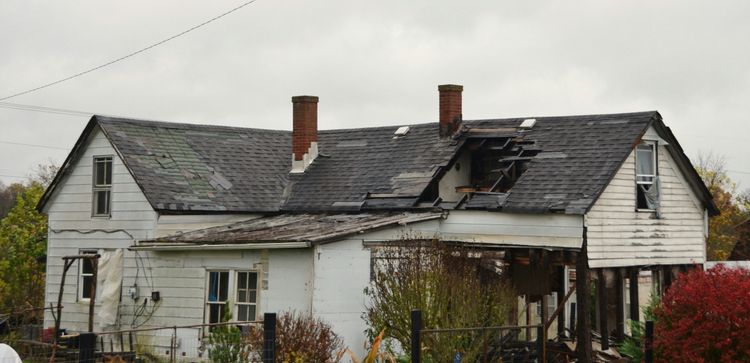
Coverage can kick in when removal ties directly to a covered peril like fire, water damage, wind or vandalism. If a fire damages building components containing asbestos, insurers often pay for demolition, removal and replacement of those damaged materials because that work is integral to repairing the insured damage.
Covered scenarios share one element: asbestos disturbance directly results from a named, sudden peril. A fire burns through walls containing asbestos pipe wrap. A burst pipe floods your basement and damages asbestos floor tiles. A fallen tree crashes through your roof and exposes asbestos insulation. In each case, the insured peril caused physical damage that now requires asbestos remediation as part of the repair. Your insurer applies general policy limits and your regular deductible to these costs.
Scenarios that are not covered include pre-existing insulation that's been in your attic for 40 years, deterioration over time where asbestos materials have gradually degraded, and discovery during a planned renovation when you pull up old flooring.
Government-mandated asbestos upgrades unrelated to a specific covered loss also fall outside coverage. If building codes require asbestos removal during a furnace or wiring replacement not triggered by an insured event, those costs are treated as part of the project cost.
Some insurers offer hazardous materials or pollution endorsements as add-ons. Pollution Liability is a separate coverage line, distinct from standard property insurance. Environmental insurance policies specifically cover bodily injury, property damage, cleanup costs, and business interruption arising from pollutants typically excluded under general liability and property policies.
By-law or bylaw coverage can apply if remediation is required to meet current building codes after an insured loss. Separate environmental or hazardous substance riders address mould and other contaminants.
These policies are not standard in personal home insurance. Premiums can be significant. Homeowners should ask contractors whether they carry CPL or environmental liability insurance, what limits apply, and whether asbestos remediation insurance Canada work is explicitly included.
Costs vary widely by home size, extent of contamination and material type. The average asbestos removal project costs about $2,500, with costs per square metre ranging from $35 to $90. Asbestos testing runs $200 to $800. Small area removal costs $1,000 to $4,000. Full home abatement reaches $10,000 to $30,000 or more. Site setup and containment add $500 to $1,500. Decontamination and cleanup add another $500 to $2,000. Disposal fees run $300 to $1,500.
These figures exclude high-value properties with complex designs or heritage protections. Individual quotes vary by province, municipality, home age, construction type, contamination extent, accessibility, contractor capacity, and regulatory requirements.
Stop any disturbance of the material immediately. Do not attempt DIY removal. Hire a licensed asbestos inspector to confirm presence and assess risk level. Contact your insurer before starting remediation to understand what may or may not be covered. Keep all inspection reports, quotes, and remediation invoices for your home insurance asbestos claim Canada file.
This sequence matters because insurers need to establish whether the exposure ties to a covered peril. If you remediate first and file a claim later, you lose critical evidence showing what caused the disturbance. Your adjuster will want photos of the damaged area, the inspection report confirming asbestos presence, and documentation of the covered event.
Gather documentation: inspection report, photos, cause-of-loss details and remediation quotes. Work with your adjuster to establish whether the exposure ties to a covered peril. Your adjuster will review the timeline, examine photos, and assess whether the asbestos disturbance directly resulted from an insured event like a fire, burst pipe, or storm damage.
If your initial claim is denied, review the specific exclusion language in your policy. The Financial Consumer Agency of Canada provides complaint pathways for consumers disputing claim denials. Get a second opinion from a public adjuster or insurance lawyer if the denial seems unreasonable. Appeal with additional documentation showing the causal link between the covered peril and the asbestos exposure.
Get a licensed asbestos inspection before starting any renovation in a pre-1990 home. Review your policy for hazardous materials or pollution exclusions. Ask your insurer about optional endorsements for hazardous substance remediation. Document the cause of any asbestos exposure with photos and reports. Never attempt DIY asbestos removal. Use a licensed remediation contractor. Contact your insurer before remediation begins, not after.
Budget for professional abatement as a project cost if you're renovating an older home. Testing and removal are maintenance expenses unless an insured peril triggers them. For contractors, request proof of liability and Contractors' Pollution Liability coverage, especially on older homes.
Check policy pollution exclusions and any pollutant cleanup extensions. Note sub-limits if they exist. Insurely helps you understand what standard policies include and where gaps appear.
Yes, when removal ties directly to a covered peril like fire or sudden water damage. Standard policies exclude pre-existing asbestos and routine discoveries.
No. Renovation-triggered discoveries are voluntary maintenance costs. Your policy only covers asbestos disturbed by an insured event, not elective projects.
Some insurers offer pollution or hazardous materials endorsements. Ask your broker about environmental riders. Premiums vary by coverage limits and home age.
Likely yes. Insurers typically pay for asbestos abatement integral to repairing damage from covered perils. Apply your regular deductible and policy limits.
Heavy snow can collapse roofs and cause serious damage. Learn what snow load damage is, if home insurance covers it, and how to protect your home in Canada.

Wondering if your tenant insurance covers your roommate in Canada? Learn when roommates are covered, when they aren't, and the smartest way to share coverage.
What is loss assessment coverage in condo insurance? Learn how it protects Canadian condo owners from unexpected special assessments and shared building costs.

A home inventory can make or break your tenant insurance claim. Learn how to document your belongings properly in Canada and what insurers need to see.

Ice dams can cause serious roof and water damage. Find out whether home insurance covers ice dam damage in Canada and how to protect your home this winter.
Does home insurance cover burst or frozen pipes in Canada? Learn what water damage is covered, what's excluded, and how to prevent pipe damage this winter.


