Actual Cash Value

Share


Home insurance isn't legally mandatory in Ontario, but your lender won't care about the legal nuance. If you have a mortgage, you need coverage. Do you need house insurance from a legal standpoint? No. From a practical standpoint? Almost certainly yes. This guide breaks down when coverage is truly optional, when it's effectively required, and what you're risking either way.
Do I need home insurance in Ontario? Not by law, but likely by contract. No provincial statute forces you to buy home insurance. Your mortgage lender does.
Banks and credit unions require proof of coverage before releasing funds. Policies include a loss payee clause naming your lender as beneficiary up to your outstanding mortgage balance.
Who can skip it? Homeowners with no mortgage and no secured credit lines tied to their property. That's rare. The overlap between ownership and debt means most people face a lender requirement regardless of provincial law.
Ontario law doesn't mandate home insurance. Neither does any other Canadian province or territory. This differs sharply from auto insurance, which every province requires by statute. With property insurance, the government stays out. Lenders fill the gap.
Your mortgage contract almost certainly requires continuous coverage. Drop your policy mid-mortgage, and you risk default. Lenders may force-place more expensive coverage or demand immediate repayment. Policies for mortgaged homes typically name the lender as the loss payee, protecting their interest in the property.
Once you own outright, the legal freedom to skip insurance becomes real. The financial wisdom of doing so is another question entirely.
Do you need homeowners' insurance when you're borrowing $500,000? Your lender thinks so. Their collateral burns down without insurance, and they're left holding a loan secured by ash.
Mortgage contracts protect lenders, not just borrowers. Canada Mortgage and Housing Corporation provides mortgage default insurance when buyers put down less than 20%, but that protects the lender from the buyer's default. It doesn't replace home insurance covering the physical property.
Lenders verify coverage before closing. They check renewals annually. Miss a payment or let your policy lapse, and you'll face force-placed insurance. These lender-imposed policies cost significantly more than market rates because you're buying coverage after demonstrating you won't maintain it voluntarily.
Proof of insurance isn't a suggestion. It's a closing condition and an ongoing obligation until your final mortgage payment clears.
Technically, no. Practically, probably. Without a mortgage, no contract forces you to insure. You're free to self-insure both structure and liability risk.
Consider the stakes. Home equity represents a massive share of household wealth for most Canadian families. A total loss without insurance means absorbing the full rebuild cost. Construction inputs remain expensive. Rebuilding a typical detached home can easily cost $400,000 or more.
Liability exposure matters too. Someone slips on your icy steps and suffers permanent injury. You're legally responsible. Settlements run into hundreds of thousands or millions once medical costs, lost income, and legal fees stack up. Home insurance covers accidental damage you cause to others' property and injuries occurring on your property.
Most mortgage-free homeowners still choose coverage. The financial risk of going bare is enormous.
Do I need homeowners' insurance for a condo unit? Your condo corporation insures the building structure. You insure everything inside your four walls.
Condo corporation master policies cover common elements, exterior walls, roof, and shared systems. You need personal condo insurance for your contents, liability, improvements you've made to your unit, and additional living expenses if the building becomes uninhabitable.
Your mortgage lender requires proof of personal condo coverage just like they would for a detached home. Even without a mortgage, liability protection alone justifies the cost.
Landlord insurance differs from standard homeowners policies. You're covering a property you don't live in, rented to people whose behaviour you can't control.
Landlord policies typically cover the building structure, your liability as owner, and loss of rental income if the property becomes uninhabitable. They don't cover your tenant's belongings. That's the tenant's responsibility through renters insurance.
Detached homes carry full exposure. You're insuring the entire structure, all contents, and maximum liability risk. There's no condo corporation sharing costs or limiting your structural responsibility.
Homeowners policies as protecting both personal property and personal liability. For detached homes, personal property includes the dwelling, contents, and any detached structures like garages or sheds.
Risk exposure is higher. Coverage needs are broader. Premiums reflect that reality.
Your dwelling gets protected against damage or loss. Fire, explosion, windstorm, and other named perils fall under basic coverage. Comprehensive policies cover all risks except specific exclusions.
Personal possessions inside your home receive protection from damage, theft, or loss. This extends to items stolen from your vehicle.
Liability coverage kicks in when someone gets injured on your property or you accidentally damage someone else's property. Typical limits run $1 million or $2 million, though you choose your amount at purchase.
Additional living expenses matter when your home becomes uninhabitable after an insured loss. Your policy covers hotel stays, temporary rentals, and extra costs above normal spending while repairs happen.
There are four coverage levels: comprehensive, basic or named perils, broad, and no-frills. Comprehensive covers all risks except exclusions. Named perils cover only specifically listed events. Broad gives you comprehensive coverage on the building and named perils on contents. No-frills serves properties that don't meet standard underwriting criteria.
Overland flooding isn't automatically covered. River water, storm surge, and surface water runoff require specific flood endorsements. Even with endorsements, some high-risk areas remain uninsurable.
Earthquake damage requires separate coverage in most policies. British Columbia faces significant seismic risk, but earthquake insurance is optional province-wide.
Sewer backup causes extensive damage, but many policies exclude it or require endorsements.
Wear and tear, maintenance issues, and predictable damage fall outside coverage. Frozen pipes when you've left your home unheated without following policy requirements won't be covered. Mould from neglected maintenance typically gets denied.
High-value items face sub-limits. Jewelry, art, and collectibles may need scheduled coverage with appraisals.
Inspection requirements vary by insurer and property age. Newer homes often skip inspections. Older homes trigger scrutiny.
Insurers worry about aging electrical systems, outdated plumbing, roof condition, and heating systems in homes over 25 or 30 years old. They may require professional inspections before issuing coverage.
Some companies use third-party inspection services. Others accept recent inspections you've already completed for purchase purposes. Requirements aren't standardized across the industry.
Tips to avoid delays: Get your inspection scheduled early if buying an older home. Address obvious maintenance issues before applying. Have documentation ready for recent upgrades to electrical, plumbing, or roofing systems.
Insured losses from severe weather hit $8.5 billion in 2024, shattering previous records. A single Calgary hailstorm in August 2024 caused roughly $3 billion in damage.
Without insurance, you're absorbing 100% of those costs personally. Fire, hail, windstorm, and liability claims don't disappear because you chose to self-insure.
Personal property claims reached $2.5 billion in 2021, $3.4 billion in 2022, and $3.1 billion in 2023. Extreme weather happens frequently enough that most regions experience significant events during a typical mortgage term.
Liability lawsuits can devastate finances. Your policy can pay for damage a fire in your home causes to your neighbour's house. Without coverage, you're personally liable for those claims.
Rebuilding costs have surged. Construction remains expensive, making uninsured losses harder to absorb.
Coverage amounts depend on rebuild cost, not market value. Your home might sell for $800,000, but rebuilding could cost $500,000 or $350,000. Insure the rebuild number.
Factors affecting premiums: residence type, construction materials, age, size, location, replacement value, contents value, distance to fire protection, neighbourhood crime rates, claims history, policy type, endorsements, deductible amount, and credit score in some provinces.
Personal belongings need a realistic valuation. Walk through your home and estimate replacement costs for furniture, electronics, clothing, and appliances. Many people underestimate this number significantly.
Liability limits deserve attention. $1 million is common, but $2 million adds modest cost for substantial extra protection. Consider your assets and income when choosing liability coverage.
Compare quotes from multiple providers. Prices vary widely for identical coverage. A 2023 analysis using comparison site data showed Ontario homeowners paying an average of $1,250 annually. Individual quotes range from hundreds less to hundreds more, depending on your specific risk profile.
Customize coverage to your situation. Skip endorsements you don't need. Add endorsements for real risks. Someone in a flood zone needs flood coverage. Someone on a granite hill doesn't.
Balance premium costs against protection. Higher deductibles reduce premiums. Just ensure your deductible is manageable if you need to file a claim.
Use Insurely to simplify comparison shopping. Getting multiple quotes reveals where you're paying too much and which coverage makes sense for your property.
Understanding when home insurance is truly optional in Ontario, and when going without it puts your equity, savings, and financial future at serious risk, can mean the difference between a manageable recovery after disaster and absorbing hundreds of thousands of dollars in losses entirely on your own. With severe weather losses shattering records, rebuild costs surging across the province, and liability claims capable of reaching seven figures, the legal freedom to skip coverage rarely translates into a financially sound decision for any Ontario homeowner.
With Insurely's real-time data access and smart insights, you can:
Whether you're a first-time buyer navigating closing conditions, a mortgage-free homeowner weighing the real cost of going uninsured, or a condo or rental property owner trying to understand exactly what coverage your situation demands, Insurely ensures you're never making that decision without the full picture.
Reach out for a quote today to explore how Insurely can help you find the right home insurance for your Ontario property — before a lender requirement, a liability claim, or an uninsured weather loss makes that choice for you.
Yes. Your lender requires continuous coverage as a mortgage condition. Loss payee clauses protect their collateral interest in your property.
No province legally mandates home insurance. FSRA confirms it's not mandatory in Ontario, though lenders almost always require it contractually.
Yes, if you have a mortgage. Even without one, you need personal condo coverage for contents, liability, and unit improvements.
Depends on the property age and the insurer. Older homes often require inspections. Newer builds typically don't face this requirement.
You absorb all losses personally. Liability claims, fire damage, and rebuild costs fall entirely on you without coverage protecting your equity.
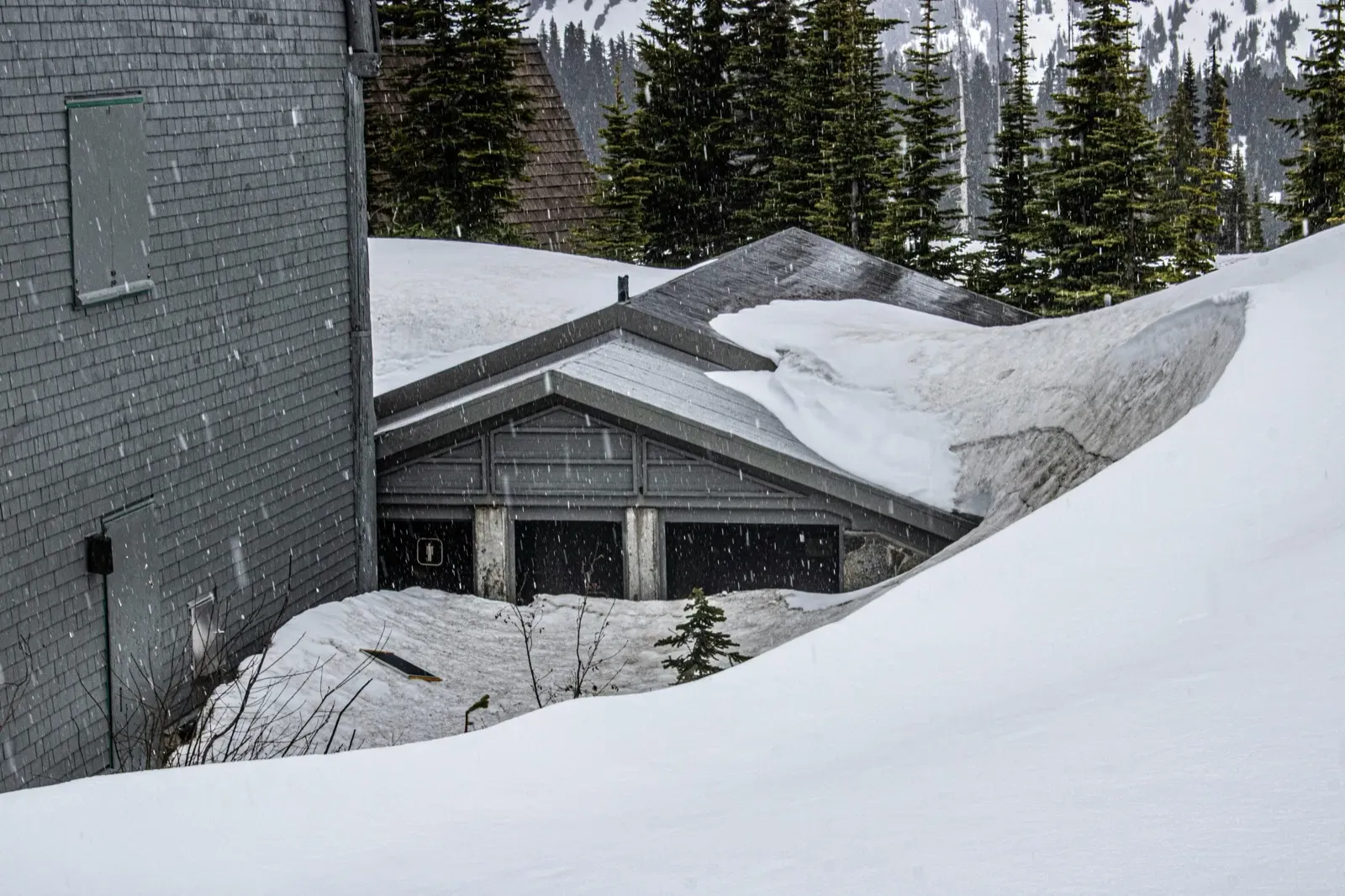
Heavy snow can collapse roofs and cause serious damage. Learn what snow load damage is, if home insurance covers it, and how to protect your home in Canada.

Wondering if your tenant insurance covers your roommate in Canada? Learn when roommates are covered, when they aren't, and the smartest way to share coverage.

What is loss assessment coverage in condo insurance? Learn how it protects Canadian condo owners from unexpected special assessments and shared building costs.

A home inventory can make or break your tenant insurance claim. Learn how to document your belongings properly in Canada and what insurers need to see.

Ice dams can cause serious roof and water damage. Find out whether home insurance covers ice dam damage in Canada and how to protect your home this winter.
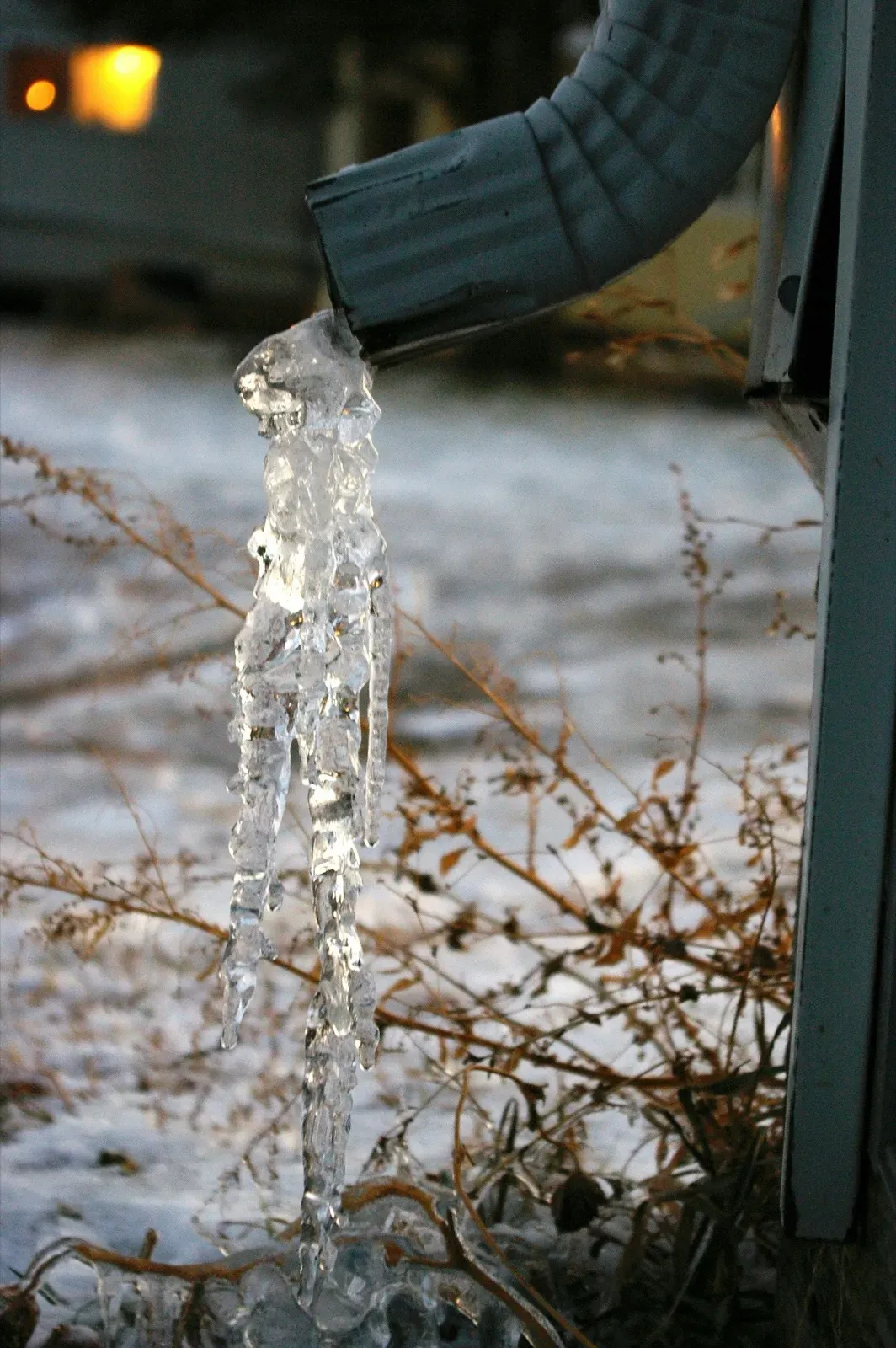
Does home insurance cover burst or frozen pipes in Canada? Learn what water damage is covered, what's excluded, and how to prevent pipe damage this winter.


