News
Share


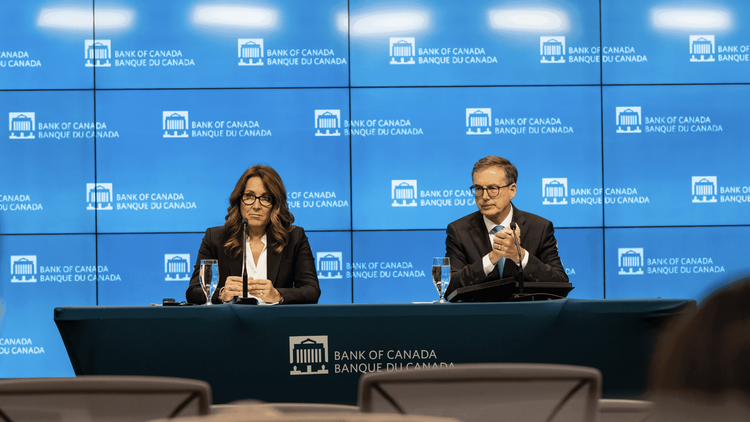
What to know: The Bank of Canada's Deputy Governor, Carolyn Rogers, cautioned against altering the mortgage market, warning it could worsen long-term risks. Speaking at an Economic Club of Canada forum last week, Rogers highlighted how cheap credit and extended amortizations might erode affordability, contrary to political claims.
"House prices are primarily a function of the balance between supply and demand. But since most people borrow to buy a house, prices are also affected by the cost and availability of housing credit," Rogers said.
Lingering concerns: As the central bank is concerned about the fiscal implications of large mortgage losses due to state-backed mortgage insurance, experts in the field are still hung up on the possible implications.
"This policy shift could be the first in a series of government initiatives aimed at re-stimulating the market. Long-term, though, we have to consider that higher mortgage amounts with 30-year amortizations will mean increased costs for buyers and extended timelines to pay off debts. It’s a bit of a double-edged sword," says Andre Dawkins, Founder of CA Mortgage Group.
Located in Mississauga, Ontario CA Mortgage Group provides secured and unsecured residential and commercial lending.
Needed reprieve: Dawkins views the recent mortgage rule changes as a positive shift for Canadians, particularly after two years of steady rate hikes. "It feels like the government has recognized the strain these hikes placed on the market, and they're sending a clear message: now might be the time to explore your options again," he says.
But Rogers asserts that low interest rates over the past 30 years have worsened affordability by enabling price hikes to begin with, and recent BoC efforts to tighten credit had limited success on home prices due to government policies undermining monetary policy.
AD on affordability and stability: "Affordability is the real issue that needs tackling, and I wouldn’t be surprised if the next step is moving to 40-year amortizations, which could ease some of the strain," says Dawkins. "One of the biggest wins here is the removal of the stress test for mortgage renewals. That’s a huge relief for homeowners who have held steady during these turbulent times."
AD's outlook after the rules take effect: "Overall, these changes look promising, but it’s clear we still have work to do in addressing long-term affordability." The transition period may take some time, so buyers and homeowners must stay patient as the market adjusts. "While the policy shift is promising, it's important to keep in mind that we still have to wait for lenders to adapt to these changes and roll out how they will process them."

Volunteers unite to protect a vital homeless support service in Kitchener.

The technology behind Canada’s Olympic House could influence future homes.

Discover whether Toronto is truly ready for high-density living, why buyer expectations are changing, and what experts say this means for future homebuyers.

Canada plans to use public land to accelerate affordable housing development.

How Bank of Canada rate cuts could impact housing affordability in Vancouver.

Tesla’s home technology allows families to generate income from solar energy.


