News

Share


The big story: Last month, the Canadian government introduced major changes to its mortgage rules, including raising the insured mortgage cap to $1.5 million and extending 30-year amortization periods to all homes. The updates, set to take effect on December 15, aim to make homeownership more accessible, especially in high-cost cities like Toronto and Vancouver. Despite these changes, mortgage brokers warn that Canada’s housing affordability crisis continues to deepen. Population growth, a critical housing shortage, and long-term costs tied to extended mortgage terms are making homeownership more difficult than ever.
Supply crunch driving prices: The core issue, according to Jennine Yool, licensed mortgage agent at The Mortgage Centre, is the lack of available homes. "We definitely have an affordability crisis, but I think it's largely stemming from the fact that we just have a supply crisis. At heart, we don't have enough homes for the number of Canadians that are currently residing here," said Yool. Canada's rapid population growth over the last decade has only exacerbated this issue. "It's going to drive up prices almost in an artificial capacity," she said.
Jason Dornstauder, head broker and owner of Focus Mortgage Solutions, agrees, pointing to immigration as a key factor in the shortage. "We've definitely seen a massive increase in immigration... our intentions were good, but we didn’t consider where we could put them."
Longer mortgage terms: relief or burden? The return of 30-year mortgage terms is designed to ease monthly financial pressure, but experts warn this relief comes at a high long-term cost. While homeowners may find immediate benefits with lower monthly payments, the overall cost of borrowing becomes significantly higher. "It's great from a cash flow standpoint... but it is adding a substantial amount to the overall cost of borrowing over the life of the loan," said Yool.
Dornstauder broke down the numbers: "That difference is about $140 a month savings from 25 years to 30 years. But... it's $44,000 more in interest cost for that extra five years." What seems like a short-term win could saddle homeowners with significant debt, especially for those already stretched by high property prices.
First-time buyers struggle: First-time homebuyers are facing steeper challenges to enter the market. "Many first-time home buyers, the idea of even purchasing any form of house is just out of the realm of possibilities," Yool said. Condo prices have surged, making it difficult to save for a down payment.
According to Dornstauder, stricter approval criteria are also making it harder for prospective buyers. "I have a much larger velocity of people that can't afford it because of too many constraints. It literally comes down to that capacity of saving that down payment, it comes down to qualifying against the benchmark.”
The bottom line: Canada’s housing crisis is being driven by a combination of supply shortages, rising population, and more expensive mortgages. While extended mortgage terms offer temporary cash flow relief, they come at a high long-term cost, leaving first-time buyers and builders struggling. Significant policy changes to boost housing supply and support buyers are essential if Canada is to solve its affordability crisis.
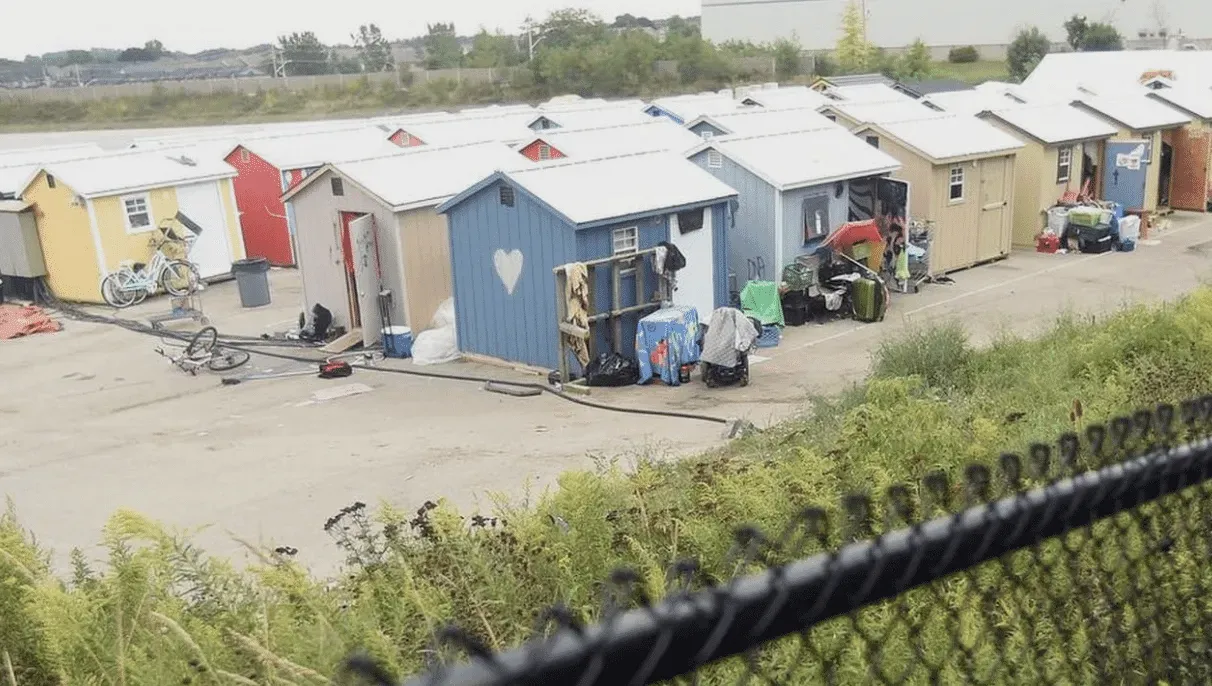
Volunteers unite to protect a vital homeless support service in Kitchener.

The technology behind Canada’s Olympic House could influence future homes.

Discover whether Toronto is truly ready for high-density living, why buyer expectations are changing, and what experts say this means for future homebuyers.

Canada plans to use public land to accelerate affordable housing development.

How Bank of Canada rate cuts could impact housing affordability in Vancouver.

Tesla’s home technology allows families to generate income from solar energy.


