InsuranceActual Cash Value

Share


Wondering why the average home insurance cost in BC keeps climbing year after year? It’s not just inflation, premiums are spiking due to wildfire zones, climate volatility, outdated infrastructure, and hidden surcharges. Learn what’s really driving your rates and how to take control, cut costs, and still get the right coverage.
BC homeowners are paying more than ever for home insurance. If you’re wondering why your home insurance premiums keep climbing, or why your neighbour pays less, it’s not just bad luck. It’s about risk, rebuild costs, hidden policy loadings, and whether you’re protecting your home or just overpaying.
Here’s the real story behind the average home insurance cost in BC, and what you can do to fight back.
The average monthly cost of homeowners’ insurance in British Columbia is between $100 and $142, or $1,200 to $1,700 per year.
But some BC residents, especially in wildfire and flood zones, pay far more.
In 2025, BC saw home insurance rate increases of 5.89% year-over-year, outpacing the national average of 5.28%.
Why? A record-setting $8.5 billion in insured losses in 2024 from floods, wildfires, and severe storms. This isn’t just about your home anymore, it’s about the cost of climate change.

Understanding the rating factors used by insurance companies helps you identify areas to cut costs or negotiate.
A standard home insurance policy in BC includes:
Dwelling / Structure Coverage – Protects the building itself. Look for guaranteed replacement cost coverage, not market value. That ensures you’re covered if construction prices spike.
Personal Property Coverage – Covers furniture, electronics, clothing, etc. Most policies cover 70–75% of your home’s value. High-ticket items like jewellery or art need separate listing (personal property limit applies).
Liability Coverage – Includes third-party liability in case someone’s injured on your property. Base level is $1 million, but many BC homeowners now go for $2–3 million due to legal risk.
Additional Living Expenses (ALE) – If your home is uninhabitable, this covers hotels, meals, rentals. Typically set at 10–20% of dwelling coverage or capped (e.g. $25,000–$50,000).
Optional Add-Ons (Not Standard)
Common Exclusions
Pro Tip: Keep a digital home inventory with photos, serial numbers, and receipts, this speeds up claims and ensures your personal property isn’t undervalued.
Don’t just accept high insurance rates. These 10 strategies can help save money:
Increase Your Deductible
Going from $500 to $2,500 could cut your insurance cost by 10–15%.
Install Mitigation & Security Systems
Qualify for discounts with:
Bundle Home & Auto Insurance
Auto and home insurance combos can cut premiums by 5–20%, but always compare quotes.
Use a Licensed Insurance Broker
A home insurance broker can:
Apply for Mitigation Credits
Insurers may reduce wildfire or flood loadings if you:
Stay Claims-Free – Even one small claim can spike your rate. If the damage is under $2,000, consider paying out-of-pocket to retain your claims-free discount.
Pay Annually, Not Monthly – Monthly payments often include service fees. Paying in one lump sum cuts total insurance premiums.
Remove Unused Coverage – No basement? No flood zone? Don’t pay for sewer backup you don’t need. Similarly, if you no longer run a home business, drop the business rider.
Get Group Discounts – Some insurance companies offer deals for union members, alumni, or professional associations. Ask your broker.
Compare Home Insurance Quotes Every Year – Even small policy changes, like adding a security system or finishing a basement, can change your risk rating. Never auto-renew blindly.
Case Study: Wildfire Zone Home
A home in Vernon faces a 25% wildfire surcharge. After installing smart fire alarms, switching to metal roofing, and clearing brush, the owner submits proof and gets the surcharge cut in half, saving $350/year.
Case Study: Condo Owner in Vancouver
A condo owner pays $1,000/year. After switching to a company that doesn’t charge for floor height and bundling with auto, the premium drops to $720/year.
Renter’s Insurance in BC
A renter with a tenant insurance policy typically pays $25–$40/month in BC for personal property coverage and liability protection. No building structure = much lower insurance premiums.
With climate change, rising rebuild costs, and evolving risk maps, home insurance costs in BC are unlikely to fall soon.
But that doesn’t mean you’re powerless.
Because the truth is, home insurance protects more than your house—it protects your peace of mind. Just don’t pay more than you need to.
Disclaimer: This blog post is for general information only and does not constitute personalized advice. Please consult a licensed insurance broker to determine the insurance solution that best fits your specific needs.
BC homeowners pay an average of $1,500 per year or $125 monthly for home insurance as of 2026. This is second-highest among Canadian provinces after Alberta.
BC's wildfire risk, earthquake exposure and flood potential drive high premiums. The 2023 Okanagan wildfires caused $720 million in insured damage. Catastrophe reinsurance costs add further expense.
No. Standard policies cover fire including wildfire but exclude earthquakes and overland floods. You must purchase separate endorsements for both.
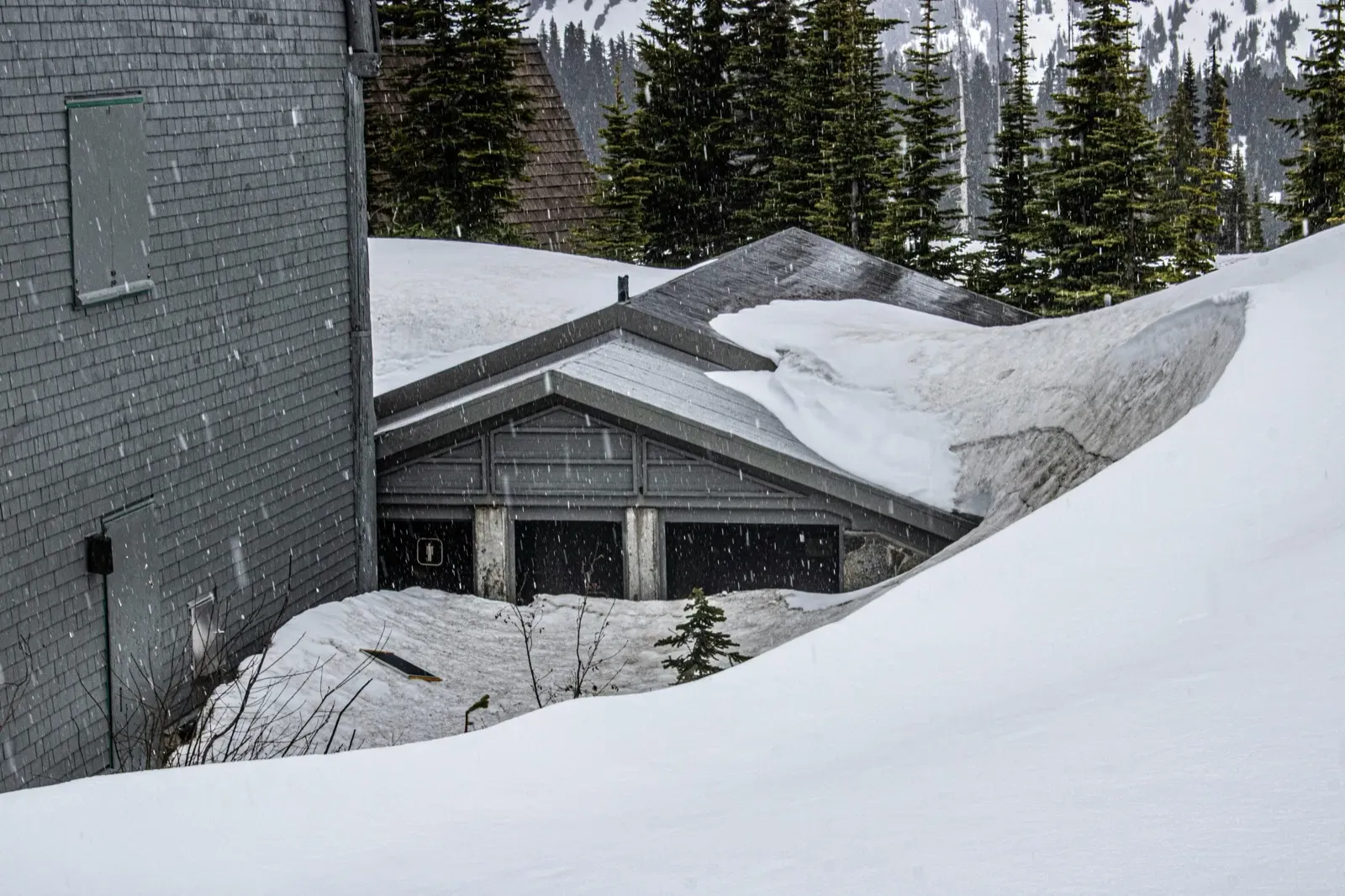
Heavy snow can collapse roofs and cause serious damage. Learn what snow load damage is, if home insurance covers it, and how to protect your home in Canada.

Wondering if your tenant insurance covers your roommate in Canada? Learn when roommates are covered, when they aren't, and the smartest way to share coverage.

What is loss assessment coverage in condo insurance? Learn how it protects Canadian condo owners from unexpected special assessments and shared building costs.

A home inventory can make or break your tenant insurance claim. Learn how to document your belongings properly in Canada and what insurers need to see.

Ice dams can cause serious roof and water damage. Find out whether home insurance covers ice dam damage in Canada and how to protect your home this winter.
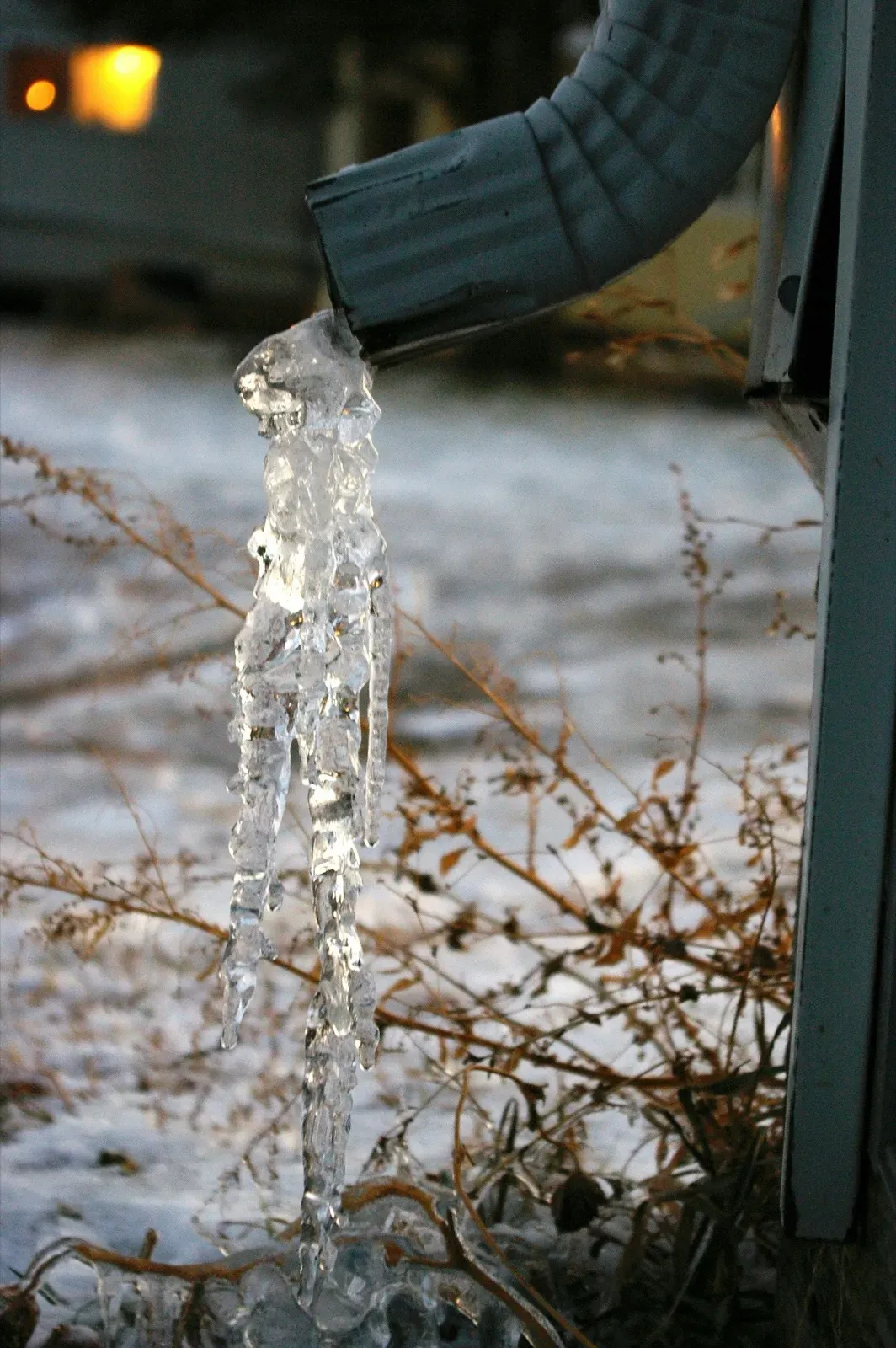
Does home insurance cover burst or frozen pipes in Canada? Learn what water damage is covered, what's excluded, and how to prevent pipe damage this winter.


