News
Share


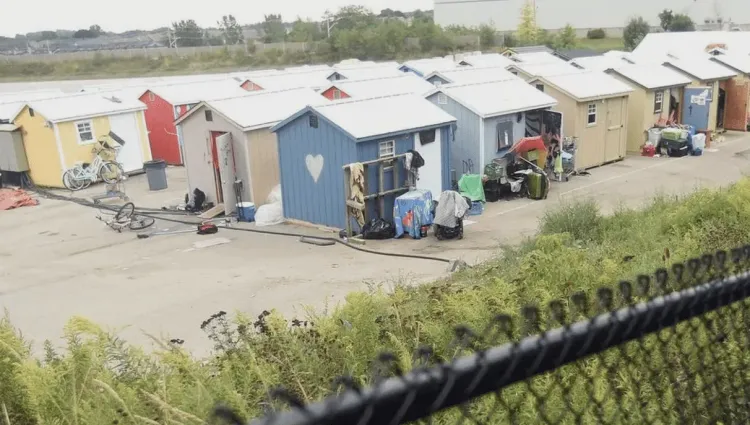
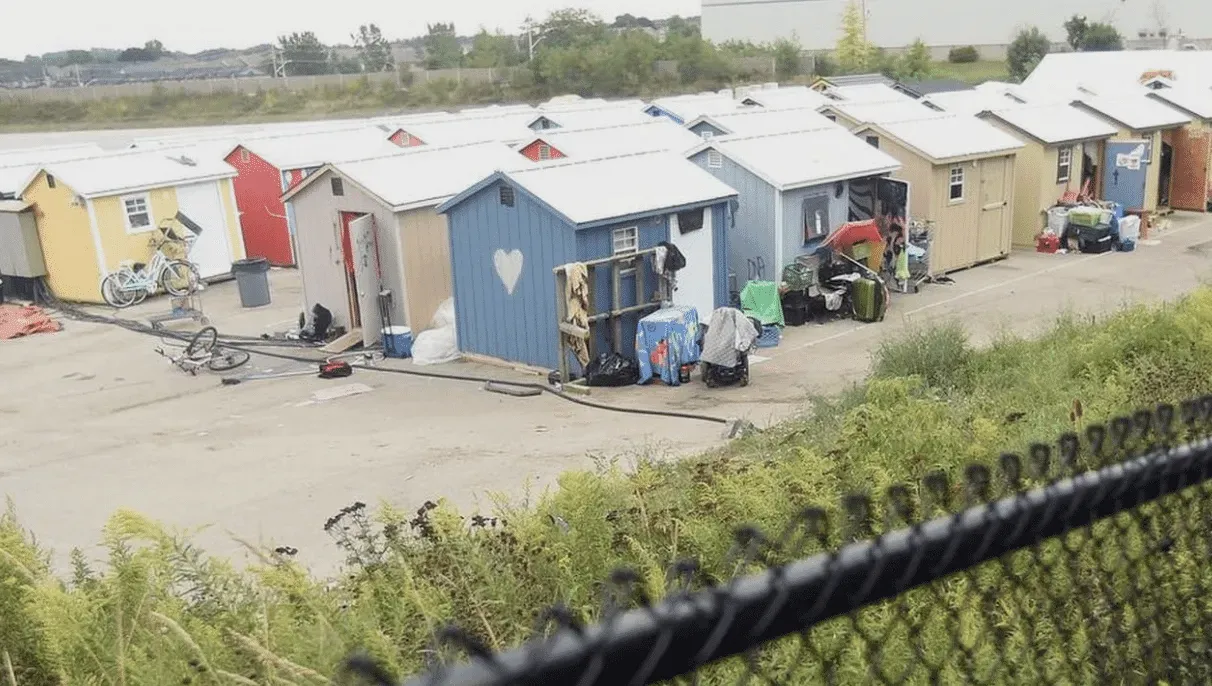
What's at play: A Better Tent City in Kitchener, Ontario, is a tiny home community that’s become a lifeline for 50 people experiencing homelessness. It’s not just about providing shelter; it’s about offering a dignified living environment. But despite its success, the initiative is grappling with financial hurdles. Volunteers are tirelessly writing grants to keep this vital community going. The project got a boost with $150,000 from the Region of Waterloo back in 2020, but since then, the funding well has run dry. The community scrapes by on housing allowances from residents and donations, pulling in about $380,000 annually, but that’s just not cutting it for the long haul. Volunteers are calling on local authorities to step up and help residents reclaim their dignity and find hope.
Making the news: In a recent regional committee meeting, A Better Tent City was denied funding through a new housing program that’s dishing out over $3.1 million to nine services aimed at tackling homelessness. This rejection has left volunteers and supporters worried about what’s next for the community. Kitchener Mayor Berry Vrbanovic responded proactively by proposing an amendment to allocate $236,390 to A Better Tent City for 2024 and 2025. He pointed out that other regional shelters are costing way more. Peter Sweeney, the region's commissioner of community services, warned that without this funding, residents would likely end up back on the streets or in other shelters.
Looking ahead: For many residents the dream is to eventually move into more permanent housing. But this transition isn’t easy due to a lack of on-site staff to connect residents with the services they need. Since the community started in 2020, six people have successfully moved out, but more staff and resources are crucial to help others do the same. Volunteers have tried placing residents in other housing programs but have hit roadblocks. The community’s model focuses on building relationships and providing stability, which some officials think doesn’t quite fit with traditional transitional housing goals.
Zooming in: Kitchener homeowner Wendy Woolcox is wrestling with city bureaucracy to get a permit for a tiny home on her property. She has utilities prepared and has even received approval from the Grand River Conservation Authority, but she remains in limbo due to inconsistent interpretations of Bill 23, the More Homes Built Faster Act. This provincial legislation is supposed to speed up building permits to tackle the housing shortage, including provisions for tiny homes. Woolcox’s ordeal highlights the need for standardized guidelines across municipalities to streamline the approval process. Her situation shines a light on broader challenges in integrating tiny homes into communities, which can impact local real estate values and neighborhood dynamics. If done right, successful integration could boost community diversity and potentially increase property values by showcasing innovative housing solutions that address critical social issues.
Volunteers unite to protect a vital homeless support service in Kitchener.

The technology behind Canada’s Olympic House could influence future homes.

Discover whether Toronto is truly ready for high-density living, why buyer expectations are changing, and what experts say this means for future homebuyers.

Canada plans to use public land to accelerate affordable housing development.

How Bank of Canada rate cuts could impact housing affordability in Vancouver.

Tesla’s home technology allows families to generate income from solar energy.


