News

Share


Toronto's condo market faces its worst slump since the 1990s, driven by high prices and low presale rates, impacting housing affordability and regional employment. Developers struggle with high construction costs, leading to a sharp decline in new condo sales and completions.
Making the news: Toronto’s condo market is currently facing its most significant challenge since the 1990s recession. A report by Benjamin Tal, deputy chief economist at CIBC Capital Markets, and Shaun Hildebrand, president of Urbanation, highlights how the market has slumped into recessionary territory. This downturn is largely driven by high prices that deter investors, who make up a substantial portion of presale buyers. Developers face significant challenges, unable to reduce prices due to high construction costs, resulting in a substantial decline in new condo sales. This situation is exacerbating housing affordability issues and impacting the regional economy.
Bottom line: The percentage of pre-construction condos that are pre-sold has fallen below 50%, the lowest in over two decades. Since construction projects require at least 70% presales to get off the ground, this has significantly slowed the supply pipeline. Consequently, there will be a sharp reduction in completions and a stagnating housing stock in the coming years, making affordability even worse. The downturn has also taken a toll on employment, with nearly 40,000 jobs impacted due to the drop in condo projects since 2022. Overall construction employment in Ontario fell by 7.5% from the previous year as of June, marking the weakest period outside of the pandemic since the 2008 recession.
Zooming in: New condo prices have only decreased by 5% from their peak, while resale prices have dropped by 12%. Despite developers throwing in incentives and rents skyrocketing by 30% from pandemic lows, it’s still not enough to make new condo investments viable at current market prices. Many condo investors are feeling the strain with negative cash flow due to soaring ownership costs, which have shot up by nearly 60% since 2020. By early 2023, a whopping 82% of condo owners with mortgages were cash flow negative, with some losing as much as $1,000 or more per month. Larger units tend to have higher negative cash flows, making smaller units more attractive to investors.
What you should consider: If you're deciding whether to rent or buy in this tough market, consider your financial stability, long-term plans, and the current state of interest rates. Renting might offer more flexibility and lower upfront costs, while buying could be a good long-term investment if you can secure a favorable mortgage rate. The glut of condos for sale in the Greater Toronto Area signals worsening housing affordability and rental supply issues. While falling interest rates and stabilizing construction costs offer a glimmer of hope, these factors alone are unlikely to resolve the housing crisis. Comprehensive policy responses are needed to improve housing affordability and stabilize the market.
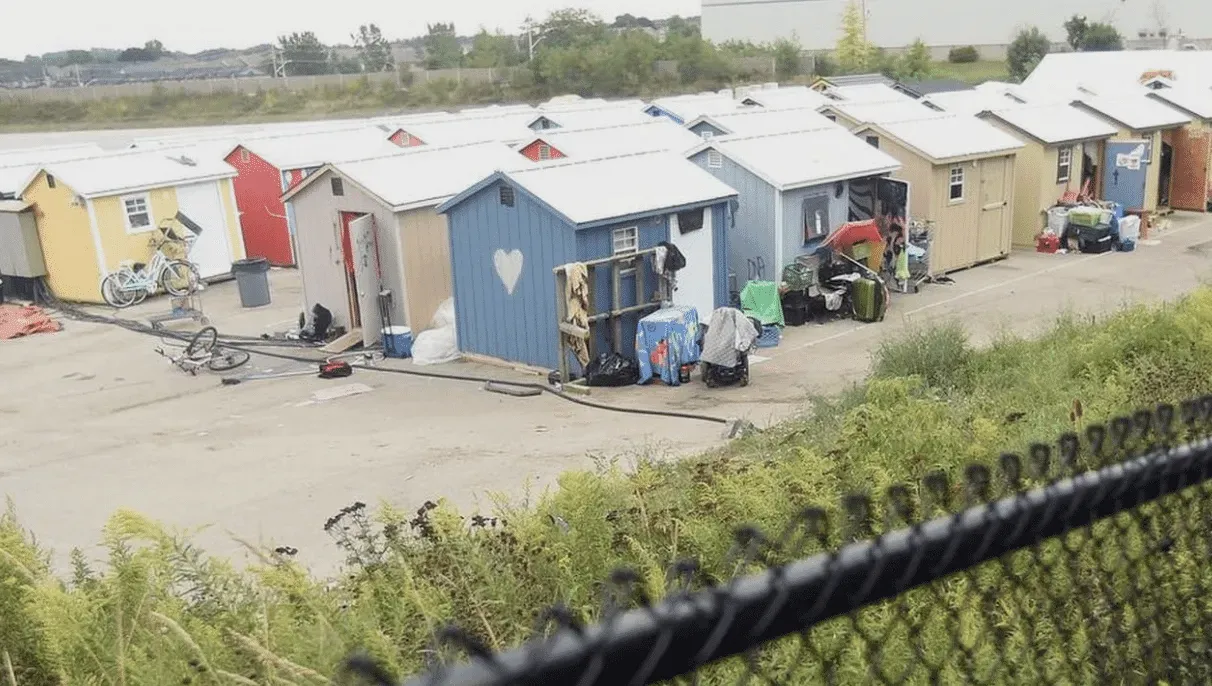
Volunteers unite to protect a vital homeless support service in Kitchener.

The technology behind Canada’s Olympic House could influence future homes.
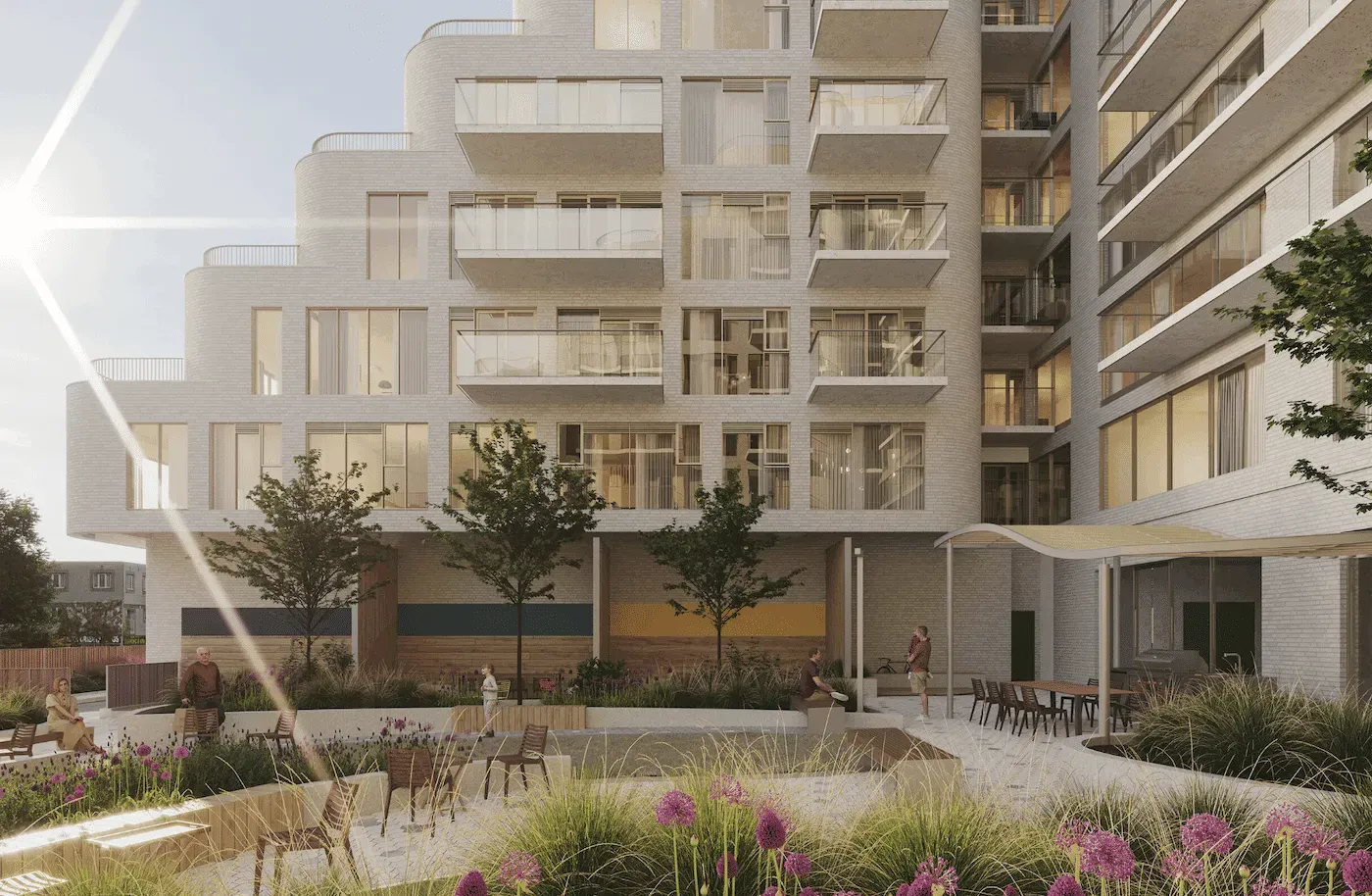
Discover whether Toronto is truly ready for high-density living, why buyer expectations are changing, and what experts say this means for future homebuyers.

Canada plans to use public land to accelerate affordable housing development.

How Bank of Canada rate cuts could impact housing affordability in Vancouver.

Tesla’s home technology allows families to generate income from solar energy.


