News
Share


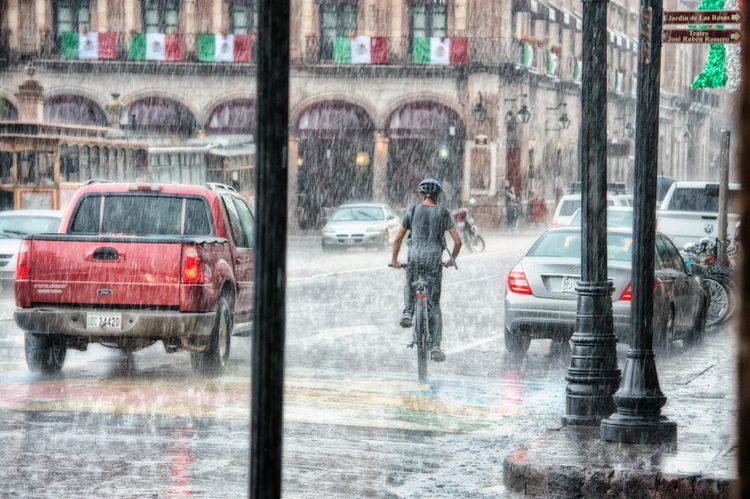
Making the news: July has officially snagged the title of the wettest month ever recorded at Toronto Pearson Airport, toppling a 70-year-old record. According to Environment Canada, a whopping 214.8 millimetres of rain drenched the city this month, edging out the previous record of 213.8 millimetres set back in October 1954 during Hurricane Hazel. Over 150,000 people were left in the dark due to flooding at a Hydro One transmission station.
Zooming in: Tuesday's slow-moving storms brought just enough rain to nudge Toronto into record-setting territory for its rainiest month ever. This month has seen an unusual amount of atmospheric moisture funneled into southern Ontario, starting with remnants of Hurricane Beryl and culminating in a series of storms that caused major flooding. Although last week's storm prompted flooding and road closures, Tuesday's storm managed to dodge further downtown flooding.
Why it all matters: The record-breaking rainfall highlights the increasing frequency and severity of extreme weather events, which have big implications for homeowners. The unprecedented precipitation led to widespread flooding, power outages, and infrastructure disruptions, showing just how vulnerable residential areas are to such climatic surprises. Homeowners now face heightened risks of property damage and increased insurance premiums. Securing adequate flood insurance coverage is becoming more challenging, adding financial burdens and emotional stress from dealing with flood damage. As extreme weather events become more common, it's crucial for homeowners to consider adaptive measures and for policymakers to beef up urban resilience to mitigate these impacts.
The bigger picture: The recent rainfall events in Toronto contrast sharply with other parts of Canada experiencing extreme weather conditions, like the Jasper fires. This stark difference highlights the diverse impacts of climate change across the country and underscores the need for comprehensive strategies to tackle these varied challenges effectively.
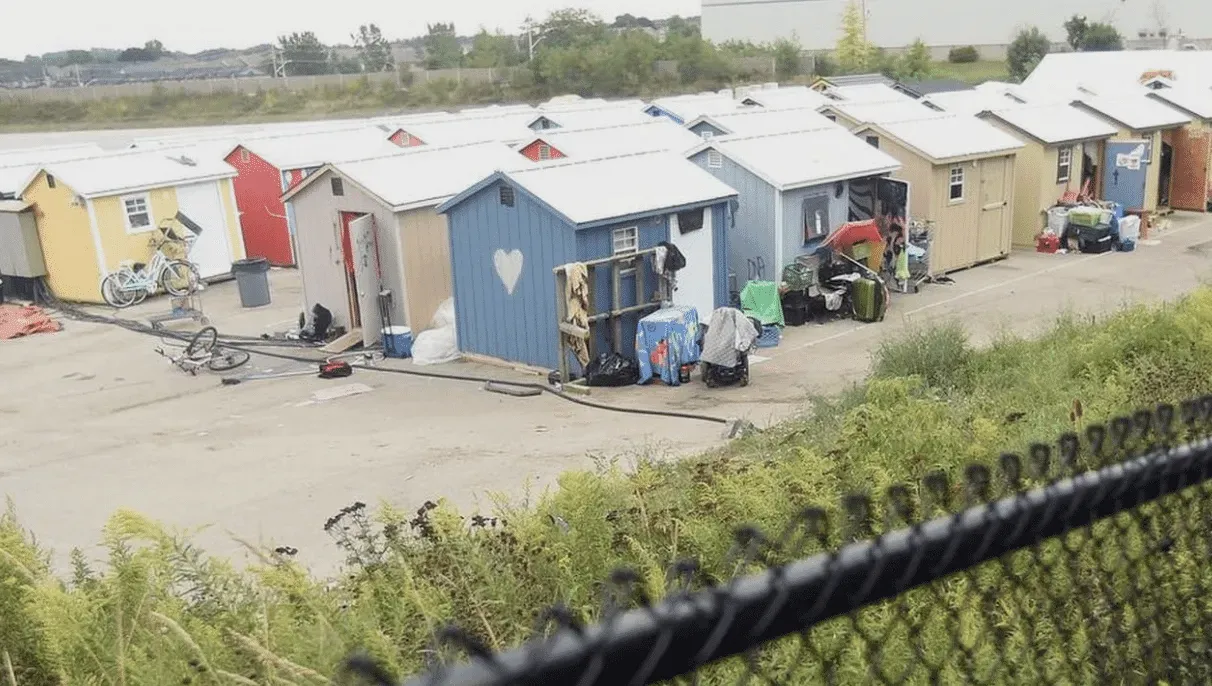
Volunteers unite to protect a vital homeless support service in Kitchener.

The technology behind Canada’s Olympic House could influence future homes.

Discover whether Toronto is truly ready for high-density living, why buyer expectations are changing, and what experts say this means for future homebuyers.
Canada plans to use public land to accelerate affordable housing development.

How Bank of Canada rate cuts could impact housing affordability in Vancouver.

Tesla’s home technology allows families to generate income from solar energy.


