News

Share


A history of growth: Canada has seen a significant uptick in short-term rentals over the past few years, with a notable rise in units that could potentially be converted into long-term housing. According to a fresh Statistics Canada report, the total number of short-term rental units skyrocketed by 60 percent between 2017 and 2023. Even more eye-popping, the number of these units considered potential long-term dwellings (PLTDs) surged by 80 percent during the same period. The trend suggests that a substantial chunk of these short-term rentals could be repurposed to tackle Canada's housing needs.
Digging deeper: The report also shone a light on the impact of the COVID-19 pandemic on short-term rental listings. From 2019 to 2021, total short-term listings took a nosedive, falling by 19.2 percent due to a slump in tourism activity. Potential long-term dwellings listed for short-term use experienced an even steeper drop of 28.1 percent. The report hints that many property owners might have switched their short-term rentals to long-term leases during this period. This shift could explain why 2022 marked a low point in the proportion of PLTDs, as many units were still tied up in those year-long leases during the early stages of recovery.
Zooming in: Despite the fluctuations caused by the pandemic, the share of potential long-term dwellings in Canada's total housing stock reached a record high by the end of 2023. This uptick was seen across several provinces, with Ontario's share more than doubling. Quebec saw a leap too, while British Columbia and Prince Edward Island surpassed one percent. In tourist hotspots like Whistler, B.C., potential long-term dwellings made up a hefty 35 percent of the total housing stock.
The big questions: The debate over whether short-term rentals should be restricted to ease Canada's housing crisis rages on. Nathan Rotman, policy lead in Canada for Airbnb, argued that these units represent just a sliver of the overall housing stock and that restricting them wouldn't solve the crisis. “Despite some concerns with the methodology used, as the report concludes, the number of short-term rentals that could be used as a potential long-term home is less than one percent of the overall number of homes in Canada – a small fraction of the 22 million homes needed by 2030 to achieve affordability.”
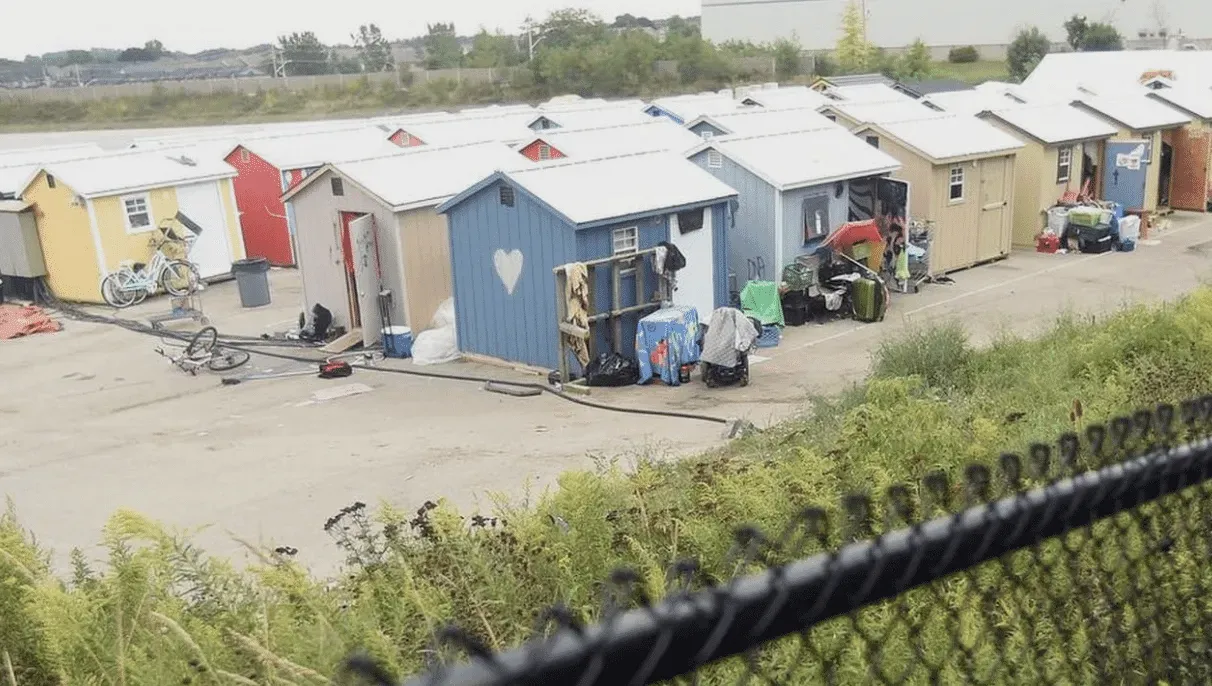
Volunteers unite to protect a vital homeless support service in Kitchener.

The technology behind Canada’s Olympic House could influence future homes.

Discover whether Toronto is truly ready for high-density living, why buyer expectations are changing, and what experts say this means for future homebuyers.

Canada plans to use public land to accelerate affordable housing development.

How Bank of Canada rate cuts could impact housing affordability in Vancouver.

Tesla’s home technology allows families to generate income from solar energy.


