News
Share


Umicore's $2.7 billion battery plant in Ontario faces delays due to slowing EV sales and supply chain issues, impacting 600 potential jobs. Federal and provincial funding hasn't been fully disbursed, with clarity expected by fall.
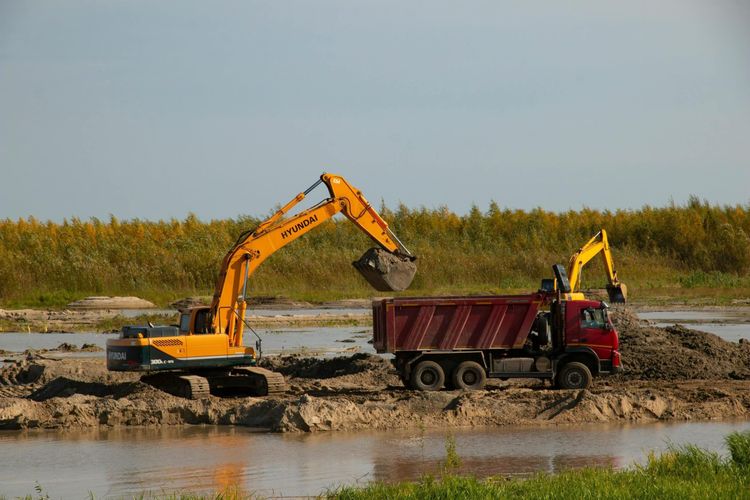
Making the news: The construction of a $2.7 billion battery plant in eastern Ontario has hit a major roadblock, putting a damper on the local economy, job, and housing market. This plant, which was supposed to churn out battery components for electric vehicles (EVs), was set to bring 600 jobs to the Kingston area. But now, Umicore Rechargeable Battery Materials Inc. has announced a delay due to a significant slowdown in EV sales that's rippling through the entire supply chain. The federal government had planned to chip in up to $551.3 million, with the province adding up to $424.6 million. Despite these big promises, not a single provincial dollar has made its way to Umicore yet.
What’s at play: What is causing this delay? Several factors are at play. A botched contract with a Chinese manufacturer and quicker-than-expected declines in older contracts are part of the problem. Plus, new contracts in Europe are taking longer than anticipated to get off the ground. Umicore reported that customer demand for their battery materials has recently declined significantly. In response, the company is shaking things up to adapt to this new market reality and plans to give a full rundown of its battery materials business by the first quarter of 2025.
Why it all matters: Canada has been pouring billions into the electric vehicle industry, hoping to lead the charge in this emerging market. But experts like Greig Mordue from McMaster University say the industry isn't quite there yet. Mordue noted that other big players, like Ford, have also dialed back their EV production due to similar market conditions. This suggests that Umicore's decision to pause on construction is part of a larger trend as companies wait for market demand to catch up with their supply capabilities.
Local impact: Locals and officials have mixed feelings about the setback. Loyalist Township Mayor Jim Hegadorn stressed that while there's a delay, the project isn't dead in the water. He expects more clarity by fall and remains optimistic that things will eventually move forward. Hegadorn also pointed out that Loyalist Township has seen steady economic growth over the years and is well-positioned for future developments. However, the updated timeline could have significant implications for local homeowners, the job market, and the economy. Homeowners may face uncertainty regarding property values and potential disruptions. The delay might also impact job creation and retention in the area, potentially slowing down economic momentum. Local businesses could experience a ripple effect, influencing everything from consumer spending to investment opportunities.
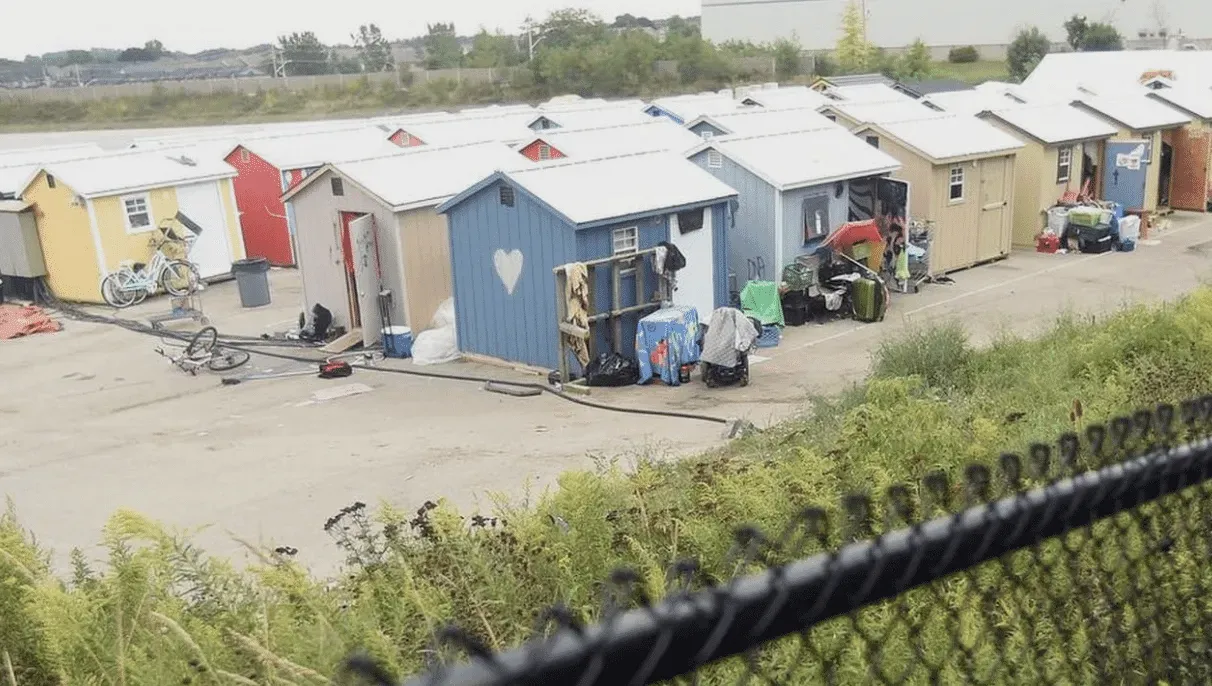
Volunteers unite to protect a vital homeless support service in Kitchener.

The technology behind Canada’s Olympic House could influence future homes.

Discover whether Toronto is truly ready for high-density living, why buyer expectations are changing, and what experts say this means for future homebuyers.

Canada plans to use public land to accelerate affordable housing development.

How Bank of Canada rate cuts could impact housing affordability in Vancouver.

Tesla’s home technology allows families to generate income from solar energy.


