News

Share


Discussions about the housing affordability crisis often focus on skyrocketing home prices and the difficulties first-time buyers face in securing a down payment. But on the other side of this conversation are homeowners—many of whom depend on rising property values for their financial well-being.
To understand how affordability measures impact current homeowners, we spoke with Jay Ghanem of Royal LePage Real Estate Services and Jay Cares Real Estate in Oakville, Ontario. He offered insights into the delicate balance between housing affordability and property appreciation, as well as what can be done to protect both buyers and owners.
The power of appreciation: For many homeowners, real estate has been a cornerstone of financial security, allowing them to build wealth over time. Ghanem has seen firsthand how property values have soared and created financial freedom for some homeowners.
"I’ve sold homes that have appreciated ten times in value between 1997 and 2003," he explained. "Some buyers purchased at $190,000 or $200,000 and later sold for $1.65 million. Those homeowners are now comfortably retired because of that appreciation. So, while affordability is a real challenge for first-time buyers, it’s not an issue for homeowners. The key is to solve the problem for new buyers without pushing home values down."
Double-edged sword: The tension between affordability and appreciation is a fundamental challenge. Existing homeowners naturally want their investments to grow, while first-time buyers hope for lower prices to enter the market.
"Affordability and appreciation are two different scenarios for two different groups of people," Ghanem pointed out. "If you already own a home, you wouldn’t want to see its value decline—you want it to go up. But renters and first-time buyers want the opposite; they hope for lower prices so they can buy in. The moment they do, though, they’ll want their investment to appreciate. It’s a double-edged sword, making it a tricky situation to navigate."
Alternative solutions: Rather than trying to only bring home prices down, Ghanem believes policymakers should explore other ways to make homeownership more attainable. "Real estate is key to financial wealth, future savings, and retirement," he said. "Instead of pushing prices down, we should look at alternative solutions to help new buyers afford homes at current values. That way, we support both groups—homeowners and aspiring buyers."
Balancing buyers and owners: Blunt-force affordability measures, such as policies that drive home prices lower, may solve one problem while creating another. Ghanem argues for a more balanced approach: "Real estate is key to financial wealth, future savings, and retirement, he says. "If you force prices down, you hurt those who have spent years building equity in their homes. Instead, why not solve affordability by increasing wages and employment opportunities? If people earn more, they can afford homes without devaluing existing properties."
Foreign buyers ban: One measure Canada has taken to cool the housing market is restricting foreign buyers. Many aren’t aware that non-Canadians are currently banned from purchasing homes in the country—a policy that has been extended until January 2027.
Despite these restrictions, home prices in Canada have remained relatively stable. However, Ghanem believes the government has a contingency plan should the market take an unexpected downturn.
"If they see a crash coming, they’ll likely reverse the foreign buyers ban," he speculated. "It’s like a joker card they can play at any time. They could open the market to international buyers again to stabilize prices. But personally, I don’t see a crash coming."
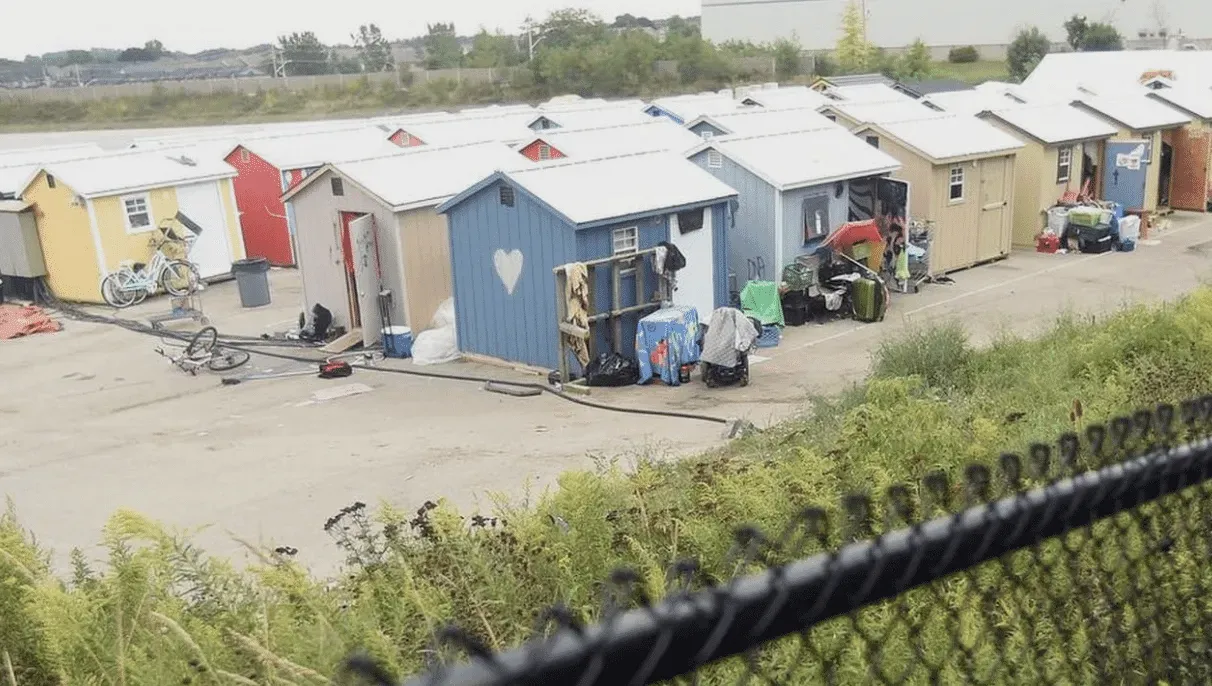
Volunteers unite to protect a vital homeless support service in Kitchener.

The technology behind Canada’s Olympic House could influence future homes.

Discover whether Toronto is truly ready for high-density living, why buyer expectations are changing, and what experts say this means for future homebuyers.

Canada plans to use public land to accelerate affordable housing development.

How Bank of Canada rate cuts could impact housing affordability in Vancouver.

Tesla’s home technology allows families to generate income from solar energy.


