Insurance
Share


Insurance for homes under construction is a critical, often overlooked aspect of building a new property. From builder’s risk coverage to liability protection, getting the right insurance in place can save you thousands in the event of damage or delays. Understanding the nuances of construction insurance will help keep your project on track and your finances protected.
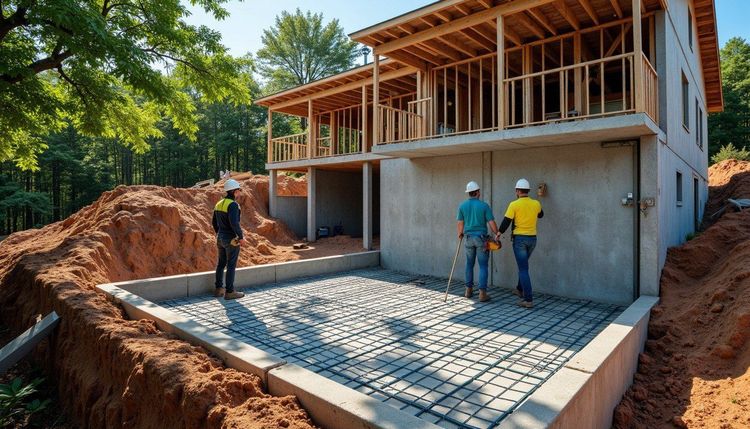
Building your dream home isn’t just about picking out paint colors and choosing countertops—it’s about protecting one of the biggest investments of your life. But here’s the kicker: accidents, theft, and even weather events can derail your entire construction project in the blink of an eye. Imagine waking up to a storm that wipes out the roof you just built, or worse, finding your expensive materials have vanished overnight. Insurance for home under construction isn’t just a safety net—it’s a lifeline that guarantees your vision doesn’t turn into a financial nightmare.
Before laying the first brick, you need the right protection in place—because once your project is underway, things can go wrong faster than you think.
A builder’s risk insurance policy is fundamental for any construction project, offering protection for both the structure and building materials from common risks like storm damages, theft, and vandalism. Unlike standard homeowners policies, builder’s risk is tailored to the unique needs of a construction site.
This policy typically covers construction materials on-site, tools in transit, and temporary structures like scaffolding or storage sheds. Some policies even provide property coverage for construction materials while they are in transit to the site. Additionally, builder’s risk can offer soft costs coverage for expenses like loan interest or legal fees caused by project delays.
The coverage you’ll get with builder’s risk insurance depends on your insurer and the policy type. Common protections include:
Additional coverage options may include materials in transit, temporary buildings, or even loss of rent. Be sure to ask your insurance provider about all available options.
Builder’s risk insurance doesn’t cover everything. Some common exclusions include:
To address these gaps, consider adding general liability insurance to your policy. This can cover on-site injuries or damages not covered by your builder’s risk insurance. You may also need contractors insurance to cover any damages or injuries caused by workers or subcontractors.

A standard homeowners insurance policy is designed to cover a completed home—not a home under construction. If you attempt to rely on homeowners insurance during construction, you risk not having coverage for common construction-related risks.
Once your home is finished, your builder’s risk policy will transition to a homeowners policy. Review the policy and djust your coverage to reflect the increased value of your now-completed home. Talk to your insurance provider about the transition process and any adjustments necessary.
Accidents can happen at any construction site. Whether it’s a worker who trips over materials or a guest who injures themselves on your property, liability coverage is essential to protect you from financial and legal consequences.
While contractors usually carry liability insurance, it’s important for property owners to have their coverage as well. If someone is injured on your property and sues, your liability insurance will cover legal fees, medical bills, and other associated costs. Without proper liability protection, you could be left paying out of pocket for costly accidents.
The cost of construction insurance varies widely depending on your project’s size, complexity, and location. Generally, builder’s risk insurance costs between 1% and 4% of the total construction budget. For instance, if your construction budget is $500,000, you can expect to pay anywhere from $5,000 to $20,000 for builder’s risk coverage. This type of construction insurance ensures that your home or commercial space is protected during the building process, but several factors influence the final premium, including:
As a property owner, securing the right insurance is your responsibility. Builder’s risk is essential for covering the structure, materials, and any damages that may occur during construction. While contractors typically have their liability insurance, they don’t cover the construction process itself. Builder’s risk insurance should always be in your name, or the policy should explicitly include you as an insured party.
For smaller renovation projects like adding a second story or updating electrical systems, renovation insurance may be necessary. Even minor changes to your existing structure introduce new risks that need to be covered.

Construction projects are full of risks—property damage, theft, or severe weather can easily derail your progress. Skipping builder’s risk insurance would be a costly mistake. It’s a crucial investment for ensuring comprehensive protection throughout your build.
Before you break ground, make sure your insurance policy is in place. Some insurance providers won’t cover damage that occurs before the policy becomes active. Review your builder’s risk insurance regularly, especially if there are major changes in your construction project. Having the right coverage will protect your investment and help you avoid costly mistakes during the building process.
Whether it’s for a home or commercial space, comprehensive construction insurance make sure your project runs smoothly, safeguarding your investment from unexpected setbacks.
Disclaimer: This blog post is for general information only and does not constitute personalized advice. Please consult a licensed insurance broker to determine the insurance solution that best fits your specific needs.

Thinking of purchasing a condo? Learn what condo insurance is, what it covers, and why it matters before you buy so you can protect your home smartly.

Find out what Ontario homeowners actually pay for home insurance in 2026, what drives your premium up, and simple ways to cut costs without losing coverage.

A high home insurance deductible saves money on premiums—until a burst pipe floods the basement and that "savings" becomes a painful surprise. Your

Wondering what home insurance costs in Toronto? Get 2026 rate breakdowns, provider comparisons, and tips to save on your premium without cutting coverage.

Not sure which homeowners insurance is right for you? Compare top Canadian providers, real costs, and coverage tips to choose the best policy confidently.

Understanding the real difference between seasonal vs secondary home insurance can prevent denied claims and major out-of-pocket losses. Insurance


