News

Share


U.S. President Trump's imminent tariffs on Canadian imports will undoubtedly impact Canada’s economy outright—and could lead to real estate market fallout. We spoke with Jay Ghanem of Jay Cares Real Estate about the potential implications of tariffs and immigration on Canada’s housing market.
Tariffs introduce marketing uncertainty: "There's still a lot of uncertainty around where the tariff situation is headed, and I think it will impact the market in the short term. However, I don't see it having a long-term effect," Ghanem stated. Ghanem remains optimistic about the long-term outlook in the market, yet acknowledges concerns. Industry experts warn that Trump’s 25% steel and aluminum tariffs could lead to increased construction costs. These rising costs may, in turn, result in higher housing prices.
Immigration trends and housing demand: Recently announced immigration cuts may also impact both the housing and rental market. Immigration has been a significant driver of housing demand. But recent policy shifts indicate a reduction in immigration targets, with plans to decrease the number of new permanent residents from 500,000 to 395,000 in 2025, and further to 380,000 by 2026.
Ghanem believes that while immigration trends have short-term impacts, Canada's appeal remains strong. "Ontario will always be a popular destination for newcomers. It's a peaceful country with opportunities for long-term planning, which makes it an attractive place to live," he noted. "while immigration may slow temporarily, I believe the levels will remain sustainable in the long run."
Balancing supply and demand: Tariffs and immigration policies can both have outsized influences on real estate market dynamics. Increased construction costs due to tariffs could constrain housing supply, while reduced immigration may temper demand. Ghanem notes possible effects, but emphasizes the overall stability of demand. "A lower influx of newcomers could place some pressure on rental demand. At the same time, affordability challenges will continue. I would expect some short-term volatility over the next year or two, but overall, demand will remain steady," he said.
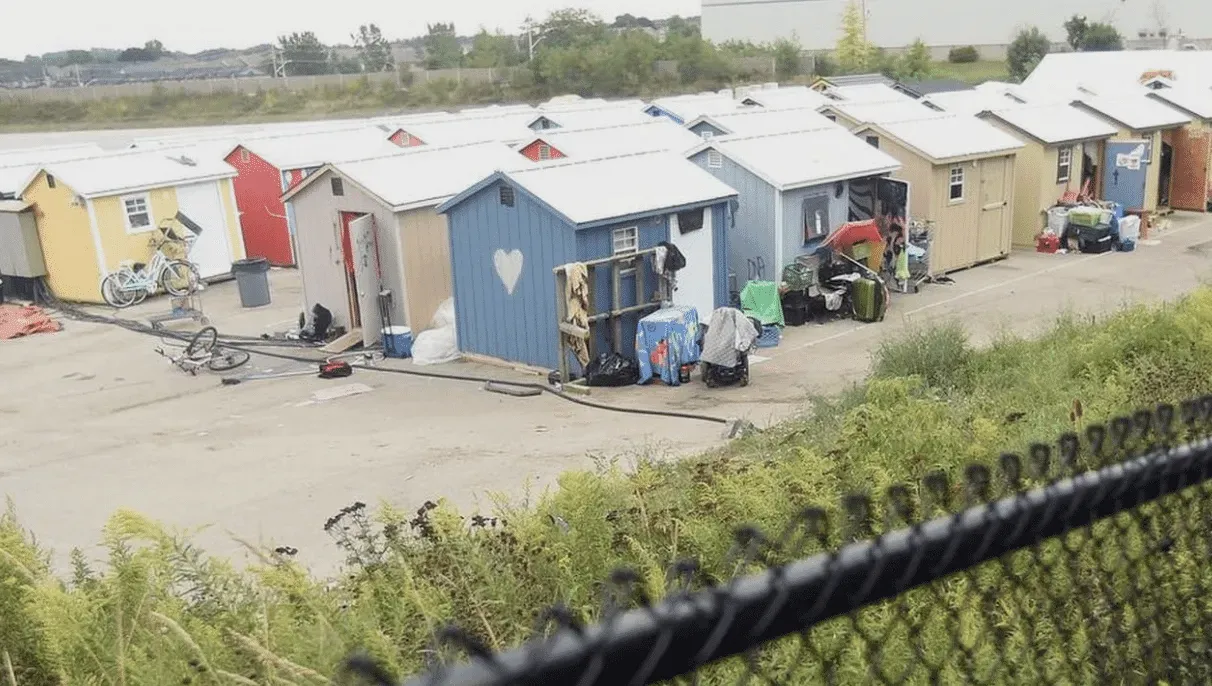
Volunteers unite to protect a vital homeless support service in Kitchener.

The technology behind Canada’s Olympic House could influence future homes.

Discover whether Toronto is truly ready for high-density living, why buyer expectations are changing, and what experts say this means for future homebuyers.

Canada plans to use public land to accelerate affordable housing development.

How Bank of Canada rate cuts could impact housing affordability in Vancouver.

Tesla’s home technology allows families to generate income from solar energy.


