Insurance
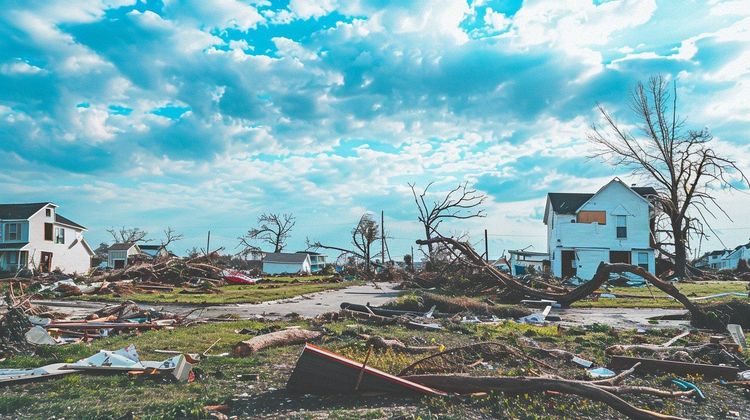
Good home owners insurance isn’t just paperwork to keep your lender happy. The right policy can save you from massive bills when fire, theft, or storms hit your property. Find out what separates mediocre coverage from a plan that genuinely protects your home and peace of mind.
Fire, water, theft, and lawsuits drain savings fast. The right homeowners insurance turns a crisis into a paid claim. The wrong policy turns it into a fight you’ll lose. Here’s how to build coverage that holds up, decide how much you need, and shop without getting played.
Think of your policy as four pieces that work together:

Dwelling coverage
Pays to rebuild after fire, vandalism, or covered storms. Your dwelling coverage limit should match real rebuild cost—not what Zillow says your house is worth. In Canada, rebuild costs jumped 35-40% between 2020 and 2024 according to Insurance Bureau of Canada data. If your policy hasn’t budged, you’re underinsured.
Personal property coverage
Covers your stuff—furniture, clothes, electronics—when stolen or damaged. Standard policies offer actual cash value, which means you get what your five-year-old couch is worth today (not much). Pay a bit more for replacement cost coverage and you’re reimbursed for new-for-old. That’s the difference between $300 and $1,200 when your laptop gets stolen.
Liability coverage
Someone gets hurt on your property or you damage theirs, liability protection covers settlements and legal costs. Start at $1M. In Canada, 70% of homeowners carry at least that much; 40% go to $2M. Lawsuits are expensive and they don’t care about your savings rate.
Additional living expenses
Fire or burst pipe forces you out, this pays for hotels and meals during repairs. Check the dollar cap and time limit—some policies max out at 12 months, others at a percentage of your dwelling coverage.
Beyond basic coverage, you’ll need add-ons for location-specific gaps.
Ask your insurance agent to run a rebuild estimator. If it looks light, get a contractor’s quote. Construction materials cost more every year—if you set this number in 2020 and haven’t touched it, you’re short by 35%+.
Can’t find guaranteed replacement cost coverage? Go for extended replacement cost coverage at 125-150% of your dwelling limit. It gives you breathing room when lumber or labour spikes mid-rebuild.
Personal property (your belongings)
Most policies default to 50-70% of your dwelling coverage for personal belongings. Run a mental inventory. If you’re over, adjust. If you own jewelry over $2K, bikes over $1K, or collectibles, schedule them separately—standard policies cap these at $2-5K total, which won’t cover much.
Liability (lawsuits)
Move to $1M minimum. If you’ve got assets, a pool, or a teenager with a license, go to $2M. Umbrella policies stack another $1-5M on top for $200-400 a year. Cheap insurance for high-stakes exposure.
Deductible (your share)
Pick the highest you can pay without hesitation. Deductibles of $2,500-5,000 cut your insurance premiums 15-30% compared to $500-1,000. Just make sure you’ve got the cash if something breaks.
Overland water and sewer backup
Standard home insurance doesn’t cover ground-level flooding from heavy rain or snowmelt. It also skips sewer backups through your drains. In Canada, water damage accounts for 40% of insured property losses, but only 30% of homeowners add overland water coverage. If your postal code sees heavy rain or old infrastructure, add both. Cleanup from a sewer backup runs $5K-15K easily.
Earthquake coverage
Optional rider in BC, Quebec, and other high-risk zones. Deductibles usually run 10-20% of your dwelling coverage—so a $500K home means you’re eating the first $50-100K. Expensive, but so is replacing a foundation.
Windstorm coverage
In Alberta and parts of Ontario, wind and hail drive most claims. Some insurance companies won’t cover roofs over 15 years old or charge separate wind deductibles of 2-5%. Confirm how your policy treats roof age and materials before you sign.
Maintenance exclusions
Homeowners insurance covers sudden damage—not slow neglect. Old roofs, ignored leaks, and worn-out systems invite claim denials. Roofs older than 15 years raise insurance rates 10-25%; past 20 years, some carriers just walk. Fix things before they fail and keep the receipts.
Location
Postal code risk shapes everything. Urban areas with high theft see premiums 20-40% higher than rural zones. Wildfire zones, flood plains, and hail belts all push costs up. You can’t move, but you can mitigate.
Home age and condition
Homes built before 1960 with knob-and-tube wiring, galvanized plumbing, or outdated panels pay 30%+ more—or get rejected outright. Upgrading electrical and plumbing cuts insurance rates and opens up more homeowners insurance companies willing to quote you.
Claims history
One claim raises your price at renewal. Two claims in three years triggers rate jumps of 40%+ or non-renewal. Multiple claims brand you as high-risk across most carriers. File when the loss is big; eat small repairs yourself.
Credit scores
In provinces that allow credit-based pricing, a 100-point drop in your credit score can spike home insurance premiums 15-25%. Not every province permits this, but where it’s legal, it matters. Check your provincial insurance regulations.
How to cut costs without cutting coverage
Overland water: Ground-level water from outside. Big risk in most of Canada, cheap to add ($100-300/year).
Sewer backup: Covers backups through drains. Cleanup runs $5-15K. Add it ($75-200/year).
Equipment breakdown: Your HVAC, water heater, and major systems aren’t cheap to replace. This rider usually costs $50-100/year.
Extended replacement cost coverage: Adds 25-50% above your dwelling coverage limit if guaranteed replacement cost coverage isn’t available. Useful when rebuild costs spike.
Bylaw/ordinance coverage: Pays for code upgrades during rebuilds—new wiring, updated framing, better insulation. Without it, you’re paying out-of-pocket for compliance.
Windstorm coverage: If you’re in a wind/hail zone, confirm deductibles and how they treat your roof. Some policies cap payouts on older roofs.
1. Start with real numbers
Know your rebuild cost, what your stuff is worth, and a deductible you can afford. If the carrier’s estimate seems off, get a second opinion from a local contractor.
2. Quote identical coverage everywhere
Lock your dwelling coverage limit, liability protection, deductible, and add-ons. Then get quotes from at least three companies. Price variance for the same policy in major Canadian cities can hit 200-300%. Shopping is how you find affordable home insurance without gutting the right coverage.
3. Check the carrier’s track record
Look up customer satisfaction scores and consumer complaints through your provincial regulator and the General Insurance OmbudService. Average property claims in Canada settle in 60-90 days; liability claims stretch 12+ months. You want a company that pays fast and fights less.
4. Ask the hard questions
5. Broker vs captive agent
Brokers access 15-30+ carriers and shop your file across all of them. Captive agents sell one brand. If you want competition, go with a broker. If you want simplicity and already trust a company, captive works. Either way, the best home insurance companies are the ones that price you fairly and pay claims without drama.
Set dwelling coverage to real rebuild cost. Use current construction materials pricing. Add guaranteed replacement cost coverage if you can get it; if not, choose extended replacement cost coverage at 125-150%.
Switch to replacement cost for contents. Actual cash value shorts you every time. Schedule high-value personal property separately.
Push liability higher. Move liability coverage to $1M-$2M. Add an umbrella policy if your risk is higher.
Plug the gaps. Add overland water, sewer backup, equipment breakdown, bylaw, and windstorm coverage where your location demands it.
Bundle and compare. Get quotes for home and auto policies together, but still check outside carriers. Loyalty penalties are real—unbundle every 2-3 years to test the market.
Keep records clean. Photos, serial numbers, receipts. When you file a homeowners insurance claim, clean documentation speeds everything up and kills disputes before they start.
Review every year. Update limits when you renovate, add a deck, finish a basement, or see rebuild costs climb. Static policies lose value fast.

Good homeowners insurance is tight limits, clean payouts, and a company that shows up when you need them. Set a real rebuild number, pick replacement cost coverage for your personal belongings, push liability protection higher, and add overland water and sewer backup where it fits.
Bundle your home and auto insurance if the math works—most carriers give you 10-25% off both. Compare identical home insurance quotes at renewal even if you’re happy with your current insurance coverage.
Keep records. If you’re stuck, call a local broker and ask blunt questions about dwelling coverage, deductibles, and how they handle insurance claims. Build property insurance that fits your risks, review it yearly, and you’re covered.
Disclaimer: This blog post is for general information only and does not constitute personalized advice. Please consult a licensed insurance broker to determine the insurance solution that best fits your specific needs.

Thinking of purchasing a condo? Learn what condo insurance is, what it covers, and why it matters before you buy so you can protect your home smartly.

Find out what Ontario homeowners actually pay for home insurance in 2026, what drives your premium up, and simple ways to cut costs without losing coverage.

A high home insurance deductible saves money on premiums—until a burst pipe floods the basement and that "savings" becomes a painful surprise. Your

Wondering what home insurance costs in Toronto? Get 2026 rate breakdowns, provider comparisons, and tips to save on your premium without cutting coverage.

Not sure which homeowners insurance is right for you? Compare top Canadian providers, real costs, and coverage tips to choose the best policy confidently.

Understanding the real difference between seasonal vs secondary home insurance can prevent denied claims and major out-of-pocket losses. Insurance


