Insurance

Good Home Insurance Coverage

Your Insurely Team

|

Last updated: Oct 16, 2025

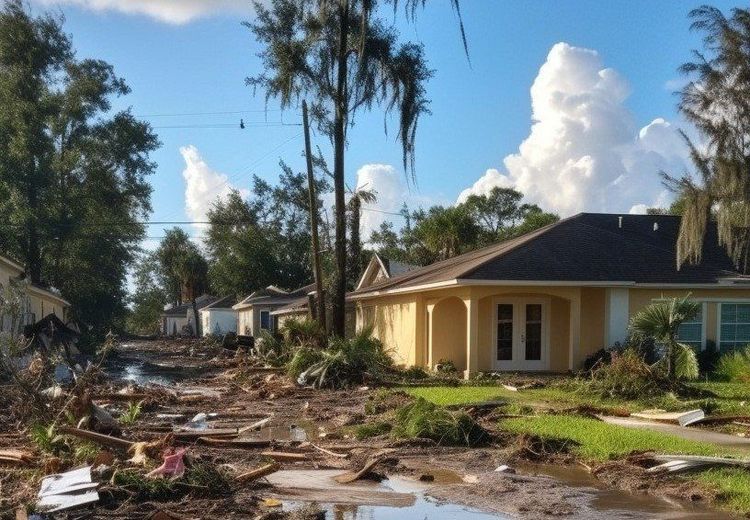
A muddy, debris-strewn street after a flood, with houses lining the road and a blue sky overhead.

When a storm rips through your roof or a pipe bursts at 2 a.m., a bargain policy won’t save your bank account. Good home insurance coverage isn’t about paying less—it’s about getting paid when it counts. Before disaster hits, make sure your policy is built to fight for you, not against you.

Good Home Insurance Coverage: Why It Matters More Than the Premium

Your home isn’t just walls and a roof. It’s your furniture, your personal belongings, your emergency fund, and the life you’ve built. Good home insurance coverage isn’t about picking the cheapest premium—it’s about making sure the policy actually pays when things go sideways.

With premiums rising across Canada and weather‑related damage climbing every year, choosing the right coverage has never mattered more. If your insurance plan is built on guesswork or outdated numbers, you could be on the hook for tens of thousands of dollars after a covered claim.

Key Takeaway

  • Core coverage: Structure, personal property, and liability coverage are the foundation of any solid home insurance policy.
  • Extra protection: Additional living expenses keep you afloat when your home is temporarily unlivable.
  • Replacement value matters: Guaranteed replacement cost coverage protects you when rebuild costs spike.
  • Patch the gaps: Add sewer backup, overland flood, identity theft, or home based business coverage where needed.
  • Price isn’t everything: Coverage limits and exclusions matter far more than a low premium.

Get covered in 4 minutes & 33 seconds

Why Coverage Trumps Price

Most homeowners shop for home insurance the way they shop for phone plans—by price. But when damage to your home happens, the cheapest policy often has the biggest surprises. A cracked foundation, a burst pipe, or a wildfire evacuation can turn a budget policy with limited coverage into a financial nightmare.

In 2025, Canadian home insurance premiums rose 5.28% on average. In Alberta, the increase was even higher at 9.07%. That means people are paying more, often without getting better coverage.

Climate‑related losses are also hitting record highs. In 2024 alone, insured losses from severe weather reached C$8.5 billion nationwide. If your insurance coverage hasn’t kept up with rebuild costs and new risks, a single storm can wipe out your savings.

What Good Home Insurance Coverage Looks Like

A solid home insurance policy protects more than your house. It should:

  • Cover the dwelling itself—walls, roof, framing, windows, attached structures, and built‑ins.
  • Include personal property coverage for furniture, electronics, clothing, and other personal belongings.
  • Provide personal liability coverage if someone sues for bodily injury or property damage.
  • Include additional living expenses to pay for hotels, meals, or transport after a covered claim.
  • Offer guaranteed replacement cost coverage to rebuild your home at full cost—not what it was worth 10 years ago.

Many Canadians are underinsured by 20–30% because they insure their home based on purchase price, not rebuild cost. That’s a mistake. If the rebuild price exceeds your coverage limit, you’ll be paying the difference out of pocket.

Get covered in 4 minutes & 33 seconds

The Types of Home Insurance That Actually Matter

Forget the HO‑codes you see online—they’re American. In Canada, most people fall into three basic buckets:

  • Homeowners insurance for houses
  • Condo insurance for unit owners (interior and upgrades only; the condo corporation insures the structure)
  • Tenant insurance for renters (covers personal property and liability, not the building)

A mortgage lender will usually require at least basic property insurance before closing. But basic coverage often leaves serious gaps. If you rely only on what’s required, you might not have enough insurance when it counts.

Replacement Value vs. Actual Cash

This is where a lot of people get burned.

  • Actual cash value pays what an item is worth today—minus depreciation. That old roof or 5‑year‑old laptop will get you pennies on the dollar.
  • Replacement value covers the cost to buy new items at today’s prices.
  • Guaranteed replacement cost coverage pays the full cost to rebuild even when material and labour prices spike after a disaster.

In places like British Columbia or Alberta, rebuilding after wildfires or floods can cost far more than your original purchase price. Always ask your insurance agent to show the actual rebuild estimate—not just a ballpark number.

Gaps That Break Budgets: Optional Coverage That Matters

Standard home insurance often looks good on paper but skips key risks. Add optional coverage where you need it:

  • Sewer backup / sewer back up – among the most common uncovered losses in Canada.
  • Septic system failures – messy, expensive, and often not included in basic coverage.
  • Identity theft – pays for restoration costs and legal expenses.
  • Home-based business – covers business equipment and liability protection if clients visit your home.
  • High‑value items – schedule jewelry, art, instruments, or collectibles for extra coverage.
  • Water damage protection – ask specifically about overland flood and ground seepage, which many insurance companies exclude.

These coverage options can be the difference between filing a successful insurance claim and facing a huge financial hit.

Good Home Insurance Coverage

How Much Coverage Is Enough?

Start with your coverage limit. That number should reflect the full cost to rebuild your home—not its market value. In 2025, construction costs in Canada are climbing by about 6%, which means a rebuild can easily outpace your current insurance coverage.

  • Personal property: Most home insurers default to 50–70% of dwelling coverage. But if you own expensive electronics, appliances, or gear, price out your rooms and bump that number up.
  • Personal liability: Aim for $300,000 to $500,000 minimum. A serious injury claim can blow through lower limits fast.
  • Additional living expenses: Most plans cover 20–30% of dwelling coverage. Increase it if staying elsewhere long‑term would strain your budget.
  • Deductible: Choose a number you can actually pay today. Don’t go too high just to save a few dollars on your home insurance premiums.

Keep receipts, serial numbers, and photos of valuable items. It makes an insurance claim much easier to process and speeds up payouts on personal belongings.

What Drives Home Insurance Costs in Canada

Home insurance costs are climbing for several reasons:

  • Rising rebuild costs due to inflation in building materials
  • More frequent severe weather events
  • Higher claims frequency in urban centres
  • Stricter underwriting in flood or wildfire zones
  • Rising reinsurance costs passed on to consumers

Location plays a big role, too. A standard detached home in Toronto might cost around $1,523/year, while rural Ontario or parts of Alberta could pay 30–80% more for the same coverage. Your claims history, roof age, wiring, plumbing, and even credit scores can also push your insurance premiums up or down.

How to Lower Premiums Without Gutting Coverage

Nobody wants higher premiums. But shaving off coverage to save a few bucks is risky. Instead, use strategies that lower premiums without compromising protection:

  • Bundle home and auto insurance with one provider (many offer 10–20% discounts).
  • Install monitored alarms, water sensors, or sprinklers and submit proof to your insurer.
  • Update older roofs, plumbing, or electrical systems.
  • Increase your deductible only to what you can pay.
  • Keep a clean claims history—paying out of pocket for small repairs can save you later.
  • Shop around. Don’t just stick with the same insurer out of habit.

Work With an Insurance Agent Like a Pro

When you meet with your insurance agent or insurance representative, don’t just nod at the policy summary. Ask pointed questions:

  • What’s the rebuild cost estimate you’re using?
  • Are my dwelling and contents insured at replacement value or actual cash value?
  • Do I have guaranteed replacement cost coverage?
  • Which water risks are excluded, and can I buy additional coverage?
  • What discounts can I qualify for with upgrades or bundling?
  • How does the claims process work, step by step?

You’re not asking for favours—you’re building an insurance plan that actually protects your home.

Condo and Tenant Insurance: Different Rules, Same Goal

If you live in a condo, remember the condo corporation insures the building structure. Your condo insurance should cover the unit interior, upgrades, contents, and personal liability. Always ask to see the building’s master policy so you know where their coverage stops and yours begins.

For renters, tenant insurance is cheap and powerful. It covers personal property, liability protection, and additional living expenses if your rental becomes unlivable. Unlike landlord’s insurance, tenant insurance protects you. In many provinces, many landlords make tenant insurance mandatory before signing a lease agreement.

When Things Go Wrong: The Claim Process

When disaster hits, speed and documentation matter:

  1. Take photos and video right away.
  2. Prevent further damage if it’s safe.
  3. Save every receipt for hotels, meals, and supplies—those count as living expenses.
  4. Keep a log of calls and emails with your insurer.
  5. Ask how they’re handling depreciation, labour, and code upgrades.
  6. Don’t let hidden damage go unreported—point it out.

A well‑built home insurance policy turns a bad day into an inconvenience—not a financial crisis.

Real‑World Scenarios

  • Basement Flood: Without sewer backup coverage, a spring flood can destroy flooring, drywall, and electronics. With the rider, the policy pays.
  • Kitchen Fire: Without additional living expenses, hotel and meals for three weeks come out of your pocket. With coverage, it’s paid.
  • Injury Lawsuit: A guest slips and suffers a serious injury. Your personal liability coverage covers legal costs and medical bills.

The One‑Page Policy Audit

Sit down with your home insurance policy and ask:

  • Does the coverage limit match the rebuild cost?
  • Is your personal property coverage enough?
  • Is personal liability coverage at least $300,000–$500,000?
  • Do you have additional coverage for sewer backup, identity theft, or business equipment?
  • Have you captured every discount you qualify for?
  • When was the last time you reviewed your insurance coverage?

If you can’t answer those questions confidently, it’s time to find insurance that actually fits.

Build It First, Price It Second

The best time to fix your coverage isn’t after a storm, flood, or fire—it’s right now. Build your home coverage around real risks, not price tags. Add the extras that protect your personal property, your family, and your savings. Then use bundling, upgrades, and smart deductibles to make it affordable.

Open your policy. Audit it. Talk to your agent. Don’t wait for a covered claim to find out you didn’t have enough insurance.

Good home insurance coverage isn’t about spending more. It’s about spending smart, protecting everything that matters most, and making sure your policy shows up when you need it most.

Disclaimer: This blog post is for general information only and does not constitute personalized advice. Please consult a licensed insurance broker to determine the insurance solution that best fits your specific needs.

Continue Reading

Happy family with toddler looking at a book on the floor in a bright, cozy bedroom.

What Is Condo Insurance & What Does It Cover?

Thinking of purchasing a condo? Learn what condo insurance is, what it covers, and why it matters before you buy so you can protect your home smartly.

Broken pink piggy bank spilling coins onto a wooden table, with a laptop in the background.

Average Home Insurance Cost Ontario

Find out what Ontario homeowners actually pay for home insurance in 2026, what drives your premium up, and simple ways to cut costs without losing coverage.

Two older adults reviewing "House Insurance" on a laptop; one types, the other takes notes.

Home Insurance Deductible

A high home insurance deductible saves money on premiums—until a burst pipe floods the basement and that "savings" becomes a painful surprise. Your

Overhead view of business people in suits forming a large circle, casting long shadows on a light floor.

Average Home Insurance Cost in Toronto

Wondering what home insurance costs in Toronto? Get 2026 rate breakdowns, provider comparisons, and tips to save on your premium without cutting coverage.

Three hands stacked on business documents on a table, symbolizing agreement or collaboration.

Best Home Owners Insurance Company in Canada

Not sure which homeowners insurance is right for you? Compare top Canadian providers, real costs, and coverage tips to choose the best policy confidently.

An overwater villa with a wooden pier and palm tree, set in a clear turquoise tropical ocean.

Seasonal vs Secondary Home Insurance

Understanding the real difference between seasonal vs secondary home insurance can prevent denied claims and major out-of-pocket losses. Insurance