Insurance
Share


People often confuse fire insurance with home insurance, but the difference matters. One covers only fire damage, while the other protects much more. If you want to protect your home properly, you need to understand what each really includes.

If you ask, “What’s the difference between fire insurance and home insurance?”—you’re not alone. The terms sound similar. Both seem like they cover your house. And both deal with risk. But the details matter. One covers more, the other covers less. One may leave you exposed if you’re not paying attention.
Let’s break it down clearly, so you know exactly what you’re getting—and what you’re not.
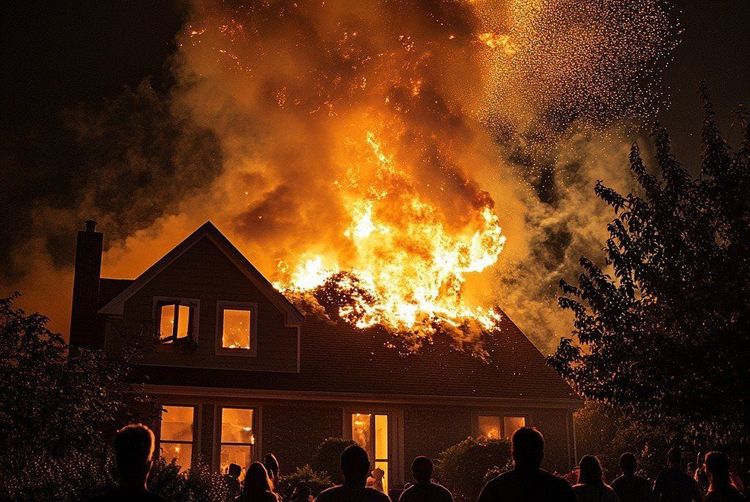
Fire insurance focuses on one risk: fire. This includes damage from wildfires, lightning strikes, electrical faults, or accidental flames like a grease fire. Depending on the insurer, it may also include smoke damage—but not always.
Policies cover:
However, fire insurance coverage is narrow. It won’t include water damage, theft, liability, or temporary housing during repairs. You also won’t get reimbursement for personal belongings unless extra protection is added.
Fire-only policies were more common 50-70 years ago when insurance markets were less developed. Today, they’re rare exceptions, typically offered only for properties standard insurers won’t touch. Homes with outdated wiring, properties in extreme wildfire zones, or buildings failing basic safety standards might only qualify for fire coverage.
If you live in a fire-prone area or own an old home with limited coverage options, fire insurance may be your only option. But for most people, it’s not enough.
Home insurance does cover fire—but adds many other protections that fire insurance doesn’t. A standard homeowner’s policy usually includes:
You also get more flexibility with home insurance. Most policies let you choose between replacement cost (what it costs to rebuild today) or actual cash value (value after depreciation).
Standard home insurance policies in Canada cover 16-20 named perils depending on the province and policy type. Fire is just one. Wind, hail, theft, vandalism, water damage from burst pipes, and falling objects are all included. The comprehensive protection explains why 99% of insured Canadian homes carry full home insurance rather than fire-only coverage.
Whether you own the property or rent, home insurance tends to be more well-rounded. Even renter’s insurance includes fire coverage and personal property protection.
Fire insurance premiums are generally lower. You’re paying for less. It’s like buying a basic plan with fewer benefits.
But the savings come with risk. If your fire policy doesn’t include smoke damage or additional living expenses, you’ll have to pay out of pocket for hotels, repairs, or temporary rentals.

Home insurance costs more, but it offers far more coverage. That includes liability losses, coverage limits tailored to your home’s value, and extras like wildfire insurance or flood protection (when added).
Home insurance costs more, but it offers far more coverage. Liability losses, coverage limits tailored to your home’s value, and extras like wildfire insurance or flood protection (when added) all get included.
The premium difference is smaller than most people expect. Fire-only policies might run $300-$500 annually for a modest home. Comprehensive home insurance for the same property costs $800-$1,200. You’re paying $300-$700 more for 15+ additional perils, liability protection, and living expense coverage. The math makes fire-only policies poor value unless they’re your sole option.
If your home is your most valuable asset, it’s worth protecting the full picture—not just part of it.
There are scenarios where basic fire insurance won’t be enough. Here are a few:
Many fire-related claims are denied when caused by intentional acts, poor maintenance, or policy exclusions. If your plan doesn’t explicitly list the type of fire—or insured peril—you might not be covered.
Smoke damage often exceeds direct fire damage in kitchen or electrical fires. Smoke infiltrates walls, HVAC systems, fabrics, and porous surfaces. Remediation costs $5,000-$25,000 even when flames only affected one room. Fire-only policies frequently exclude smoke damage unless explicitly endorsed, leaving you holding the bill for the majority of actual loss.
With home insurance, you’re more likely to get paid for a covered loss. You’re also more likely to have someone help guide the claim, like an insurance adjuster or insurance representative.
Liability exposure represents another critical gap. If fire spreads from your property to neighboring homes, you face potential lawsuits for their damages. Home insurance typically includes $1-2 million in liability coverage. Fire-only policies? Usually zero liability protection. A single lawsuit can bankrupt you even if the original fire damage was modest.
Ask yourself: what are you trying to protect?
If it’s just the physical structure from flames, fire insurance might do.
If you want to protect your furniture, electronics, temporary living, or cover personal liability, you’ll want home insurance.
Home insurance also gives peace of mind if you have fire extinguishers, smoke detectors, or live in a place with fire hydrants nearby. Some insurers even offer discounts for these fire safety upgrades.
For homes in wildfire zones, it’s smart to add wildfire insurance to a standard plan.
Understanding the real difference between fire insurance vs home insurance saves you from costly surprises. One offers limited protection for one risk. The other shields you from many. If you’re unsure what you have—or what you need—it’s time to review your policy.
Rare situations exist where fire-only policies serve a purpose. Vacant properties await demolition. Buildings with severe code violations prevent comprehensive insurance. Properties in extreme fire zones where no standard insurer will write coverage. Structures with historical significance but limited habitability.
The coverage acts as a bridge, not a permanent solution. Property owners use fire-only policies while addressing underlying issues. Once repairs are complete, electrical systems are updated, or fire mitigation efforts finish, they transition to comprehensive home insurance.
Don’t mistake a fire-only policy for adequate long-term protection. The narrow coverage leaves massive gaps. Water damage from firefighting efforts? Not covered. Liability for injuries during the fire? Not covered. Temporary housing while rebuilding? Not covered. Personal belongings destroyed? Not covered unless specifically endorsed.
Yes, many property insurance policies do cover forest fires, especially in wildfire-prone regions. However, some homeowners may need to purchase additional fire insurance to receive full protection.
If the policy includes fire damage coverage, grease fire breaks are usually covered under homeowners insurance. Check your insurance provider’s specific policy wording to confirm what types of house fires are included.
Start by contacting your insurance company immediately to report the loss. Document the damage and follow instructions provided by your insurance provider or assigned adjuster.
Basic fire insurance cover typically includes structural damage caused by flames, lightning, and some accidental fires. More comprehensive fire insurance plans may also include detached structures and limited personal contents.
Homeowners insurance includes fire damage, personal liability, contents, and often additional fire insurance options. Standalone fire insurance plans usually offer more limited fire damage coverage and do not include other risks like theft or water damage.
Disclaimer: This blog post is for general information only and does not constitute personalized advice. Please consult a licensed insurance broker to determine the insurance solution that best fits your specific needs.

Thinking of purchasing a condo? Learn what condo insurance is, what it covers, and why it matters before you buy so you can protect your home smartly.

Find out what Ontario homeowners actually pay for home insurance in 2026, what drives your premium up, and simple ways to cut costs without losing coverage.

A high home insurance deductible saves money on premiums—until a burst pipe floods the basement and that "savings" becomes a painful surprise. Your

Wondering what home insurance costs in Toronto? Get 2026 rate breakdowns, provider comparisons, and tips to save on your premium without cutting coverage.

Not sure which homeowners insurance is right for you? Compare top Canadian providers, real costs, and coverage tips to choose the best policy confidently.

Understanding the real difference between seasonal vs secondary home insurance can prevent denied claims and major out-of-pocket losses. Insurance


