News

Share


FPAC endorses Canada's Green Buildings Strategy, highlighting wood's low-carbon benefits but calls for more focus on biomass energy. Critics argue the strategy lacks mandatory regulations and sufficient public investments to achieve net-zero emissions.
Making the news: The Forest Products Association of Canada (FPAC) is giving a thumbs up to the new Canada Green Buildings Strategy (CGBS), seeing it as a solid move toward a greener future for Canada's built environment. FPAC is particularly pleased with the strategy's nod to wood as a low-carbon building material and the spotlight on Natural Resources Canada Programs like GCWood and the Investments in Forest Industry Transformation (IFIT). But, as always, there's room for improvement. FPAC believes that more attention should be given to the potential of biomass energy, especially in rural and remote areas where electrification can be a real headache. They argue that the wealth of forest and agricultural biomass resources could provide reliable heat and power, boost local economies, and cut down on carbon emissions.
What to look out for: FPAC has pinpointed several areas where the Canada Green Buildings Strategy could use a little extra polish. They're calling for clearer policy direction from Treasury Board’s Centre for Greening Government on biomass utilization to really tap into its potential for decarbonizing buildings and communities. On top of that, FPAC is pushing for bigger strides in integrating mass timber into building codes to spark innovation and sustainability in construction. By highlighting wood's climate resilience and safety features, they believe its full benefits in building applications could really shine. FPAC President and CEO Derek Nighbor stressed the need for a dedicated northern and rural perspective to fully explore wood and biomass solutions, which would not only support regional economies but also shrink the carbon footprint of rural and northern infrastructure.
Bottom line: The federal government's shiny new Green Buildings Strategy comes with an $800-million home retrofit program aimed at lower-income households and a promise to swap out oil heating for heat pumps in new buildings. The strategy pulls together various funding programs for buildings and energy efficiency, including goodies from the 2024 budget like $15 billion in apartment construction loans, $6 billion for infrastructure to support new housing supply, and $976 million for the rapid construction of affordable housing. However, critics are quick to point out that the strategy is missing mandatory regulations or fresh public investments needed to bring emissions from Canada's homes, commercial buildings, and federal properties down to net-zero. Brendan Haley from Efficiency Canada noted that the strategy skips mandatory performance standards for heating equipment and doesn't pack enough public investments to ramp up retrofits.
The other side: Despite the federal government's efforts, some green building advocates feel that the Green Buildings Strategy misses the mark by not tackling "natural" gas, a major polluting fossil fuel commonly used for heating homes in Canada. Critics have acknowledged that while the government is heading in the right direction by trying to cut building emissions and improve home safety, ignoring natural gas is a big oversight. The strategy also emphasizes the crucial role of Canada's private sector in promoting, adopting, and investing in green buildings. Sustainable builders are already showing profitable paths in the emerging clean economy through innovative projects like solar-powered "ecoburbs" and net-zero office towers. These trailblazers aren't waiting around for government mandates; they're leading by example in creating less polluting and profitable building solutions.
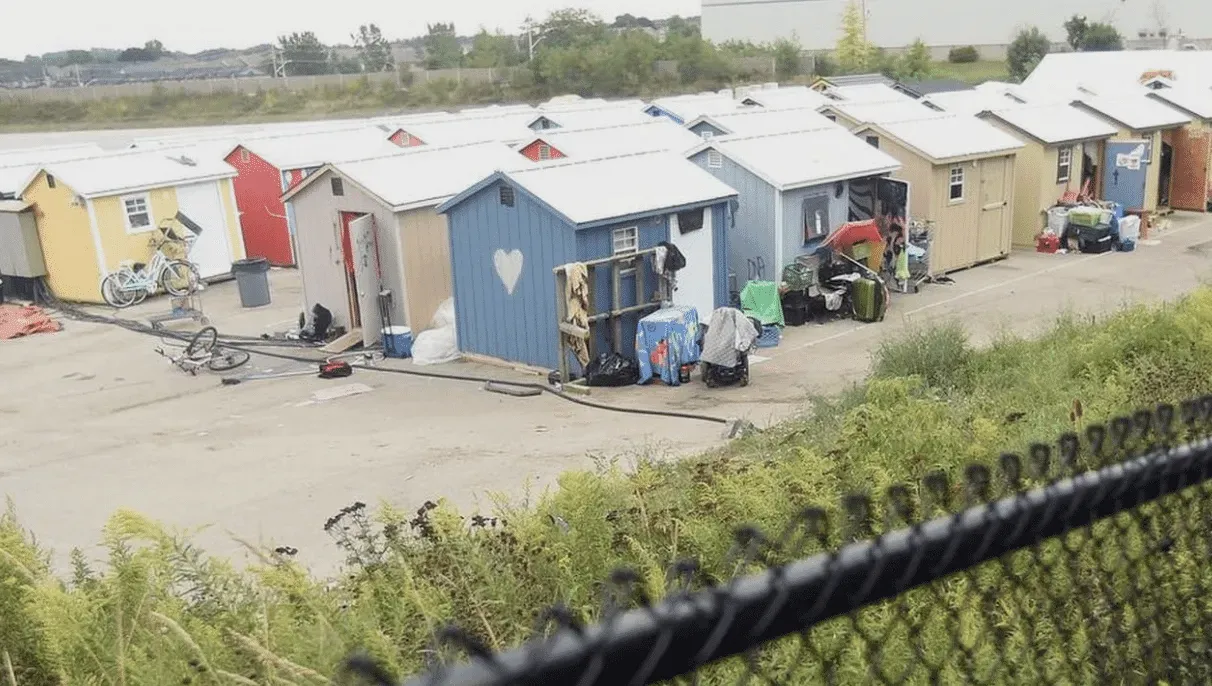
Volunteers unite to protect a vital homeless support service in Kitchener.

The technology behind Canada’s Olympic House could influence future homes.

Discover whether Toronto is truly ready for high-density living, why buyer expectations are changing, and what experts say this means for future homebuyers.

Canada plans to use public land to accelerate affordable housing development.

How Bank of Canada rate cuts could impact housing affordability in Vancouver.

Tesla’s home technology allows families to generate income from solar energy.


