News
Share


Driving the News: Canadians are drowning in debt, and it's starting to show. Equifax Canada's latest Market Pulse report reveals that total consumer debt rose to $2.5 trillion in the second quarter of 2024, a 4.2% increase from the previous year. This surge in debt is accompanied by a rise in credit delinquencies, with more Canadians missing payments on their credit cards, auto loans, and other credit products.
Why It Matters: Rising credit delinquencies signal deeper financial stress among Canadians, particularly young adults. One in 23 Canadians missed a payment on at least one credit product in Q2 2024, up from one in 25 a year earlier, according to the report. The non-mortgage balance delinquency rate now sits at 1.4%, the highest since 2011 and a 23.4% increase from the previous year.
Auto Loans Face Growing Pressure: The credit crunch is hitting auto loans particularly hard. Delinquency rates for non-bank auto loans reached a historic high of 1% in Q2 2024, a 26.8% increase from the previous year. Bank auto loan delinquencies also rose to their highest levels since 2019, reaching 1.16%. Consumers who borrowed heavily for auto loans when car prices were at their highest in 2022 are now facing hardships due to declining car values while their loan amounts stay high.
Industry Insight: “Inflation is stabilizing and interest rates are starting to reduce, which is good news for many consumers,” said Rebecca Oakes, Vice President of Advanced Analytics at Equifax Canada. “Unfortunately, rising unemployment has offset some of the positives and is driving increased financial stress.”
Bottom line: The rising debt and delinquency rates could have significant consequences for the broader economy. As more Canadians struggle to make payments, the risk of defaults and financial instability grows, which could lead to tighter credit conditions and slower economic growth.
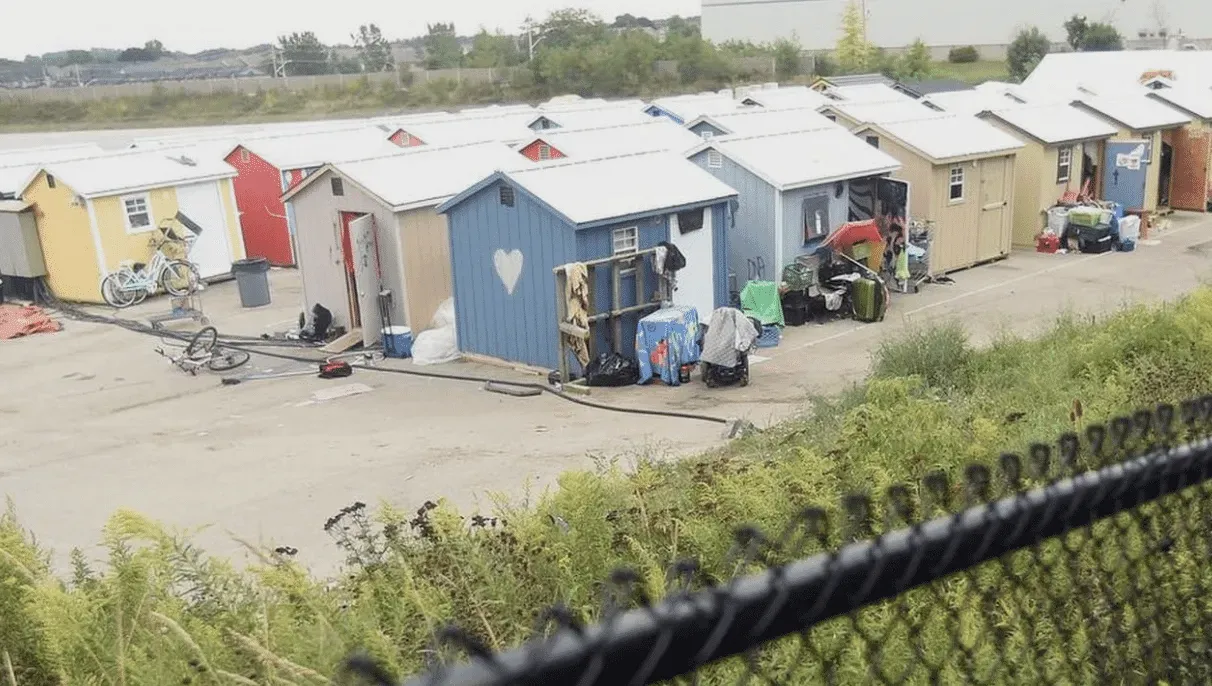
Volunteers unite to protect a vital homeless support service in Kitchener.

The technology behind Canada’s Olympic House could influence future homes.

Discover whether Toronto is truly ready for high-density living, why buyer expectations are changing, and what experts say this means for future homebuyers.

Canada plans to use public land to accelerate affordable housing development.

How Bank of Canada rate cuts could impact housing affordability in Vancouver.

Tesla’s home technology allows families to generate income from solar energy.


