News

Canada’s housing crisis deepens amid NIMBY opposition

Your Insurely Team

|

Last updated: Oct 10, 2024

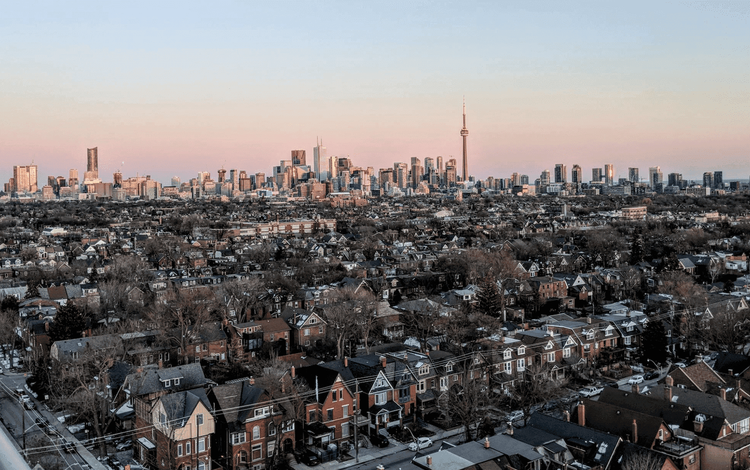
Aerial view of Toronto skyline with CN Tower behind residential houses and bare trees at sunrise/sunset.
  • Canada's housing crisis worsening due to NIMBY sentiment blocking new developments
  • Experts stress that reducing NIMBYism and legislative changes are crucial for increasing housing supply and affordability
  • Toronto's condo market faces severe challenges with investors experiencing significant financial losses
  • Canada needs 3.5 million homes to meet demand, but current projections fall short by 2030

Driving the news: Canada's housing crisis is worsening, fueled by a Not In My Backyard (NIMBY) sentiment that blocks new developments, particularly affordable housing projects. Experts argue that reducing NIMBYism and legislative changes are crucial to increasing housing supply and affordability.

Why it matters: The housing shortage has reached a critical point, skyrocketing real estate prices and creating a lack of affordable options. Overcoming NIMBYism is essential for boosting homeownership, especially among younger Canadians.

Get covered in 4 minutes & 33 seconds

"The country's GDP is affected by the retirement of Baby Boomers and a massive transfer of wealth, said Scott Broady, a real estate broker with the Broady Windsor Group in Montreal. "Policy changes are putting pressure on demand, but a significant increase in new housing supply, especially in the mid-tier range, is needed."

The big picture: Canada needs 3.5 million homes to meet demand. Once a beacon of hope, the condo market is now in crisis, exacerbating broader housing issues.

  • Investors face significant financial losses, destabilizing the market and slowing new developments.
  • Rising interest rates and inflation are straining investors, particularly in Toronto's condo market.

Get covered in 4 minutes & 33 seconds

What they're saying: "It's definitely not about building a whole bunch of towers," said Kevin Lee, CEO of Canadian Home Builders' Association. "It's not about building a whole ton of single-family homes as far as the eye can see, either. It's finding that happy balance."

"I spoke with someone about a redevelopment project in Toronto called the Clothe, which involved turning a mall into condos," Broady added. "Many people don't want to live in small, expensive condos, and there's a social pressure to own a single-family home."

By the numbers: Toronto's condo market faces severe challenges as newly completed units are worth less than what investors paid.

  • Over 80% of GTA condo investors are cash flow negative, with average monthly losses ranging from $1,000 to $1,500 per unit.
  • Resale inventory for condos has surged by almost 70%, while condo sales have lagged by up to 28% year-over-year.
  • 54% of Canadians see NIMBY sentiment as a significant barrier to affordable housing, and nearly 75% worry about affordable housing affecting property values and neighborhoods.
  • Over 250,000 people are on affordable housing waiting lists across Canada.
  • Canada is projected to add almost 2.3 million housing units by 2030 but will still fall short by 3.5 million units.

Between the lines: Financial institutions and policymakers may be artificially propping up condo prices to prevent a market collapse, raising concerns about long-term risks for younger potential home buyers.

  • The gap between pre-construction and resale condo prices has persisted since early 2020, with pre-construction condos significantly more expensive.
  • "Buyers are cautious, so there's a big gap between seller expectations and buyer expectations," Broady said. "There are a lot of overpriced homes sitting on the market, while buyers think it's still 2015."

What's next: Experts suggest reducing legislative recourse for opposing developments and making financing and building new projects more accessible. Promoting equity within the system can help mitigate NIMBYism by offering tangible benefits to existing homeowners.
Continue Reading

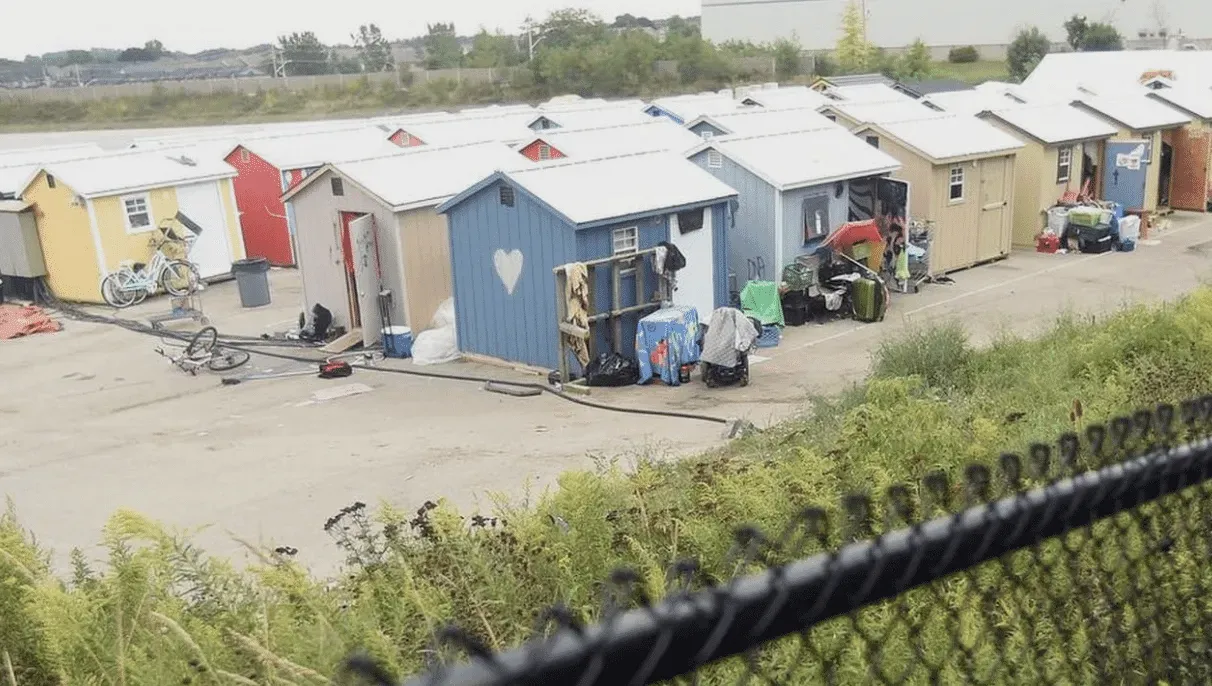
Village of colorful micro-homes with white roofs on a dirt lot, many with belongings outside. Fence in foreground.

Volunteers Unite to Save Kitchener's Homeless Lifeline

Volunteers unite to protect a vital homeless support service in Kitchener.

Hand wearing a gray maple leaf wristband near a handheld device displaying a smiling woman's photo and verification icons.

How Canadaâs Olympic House Tech Benefits Your Home

The technology behind Canada’s Olympic House could influence future homes.
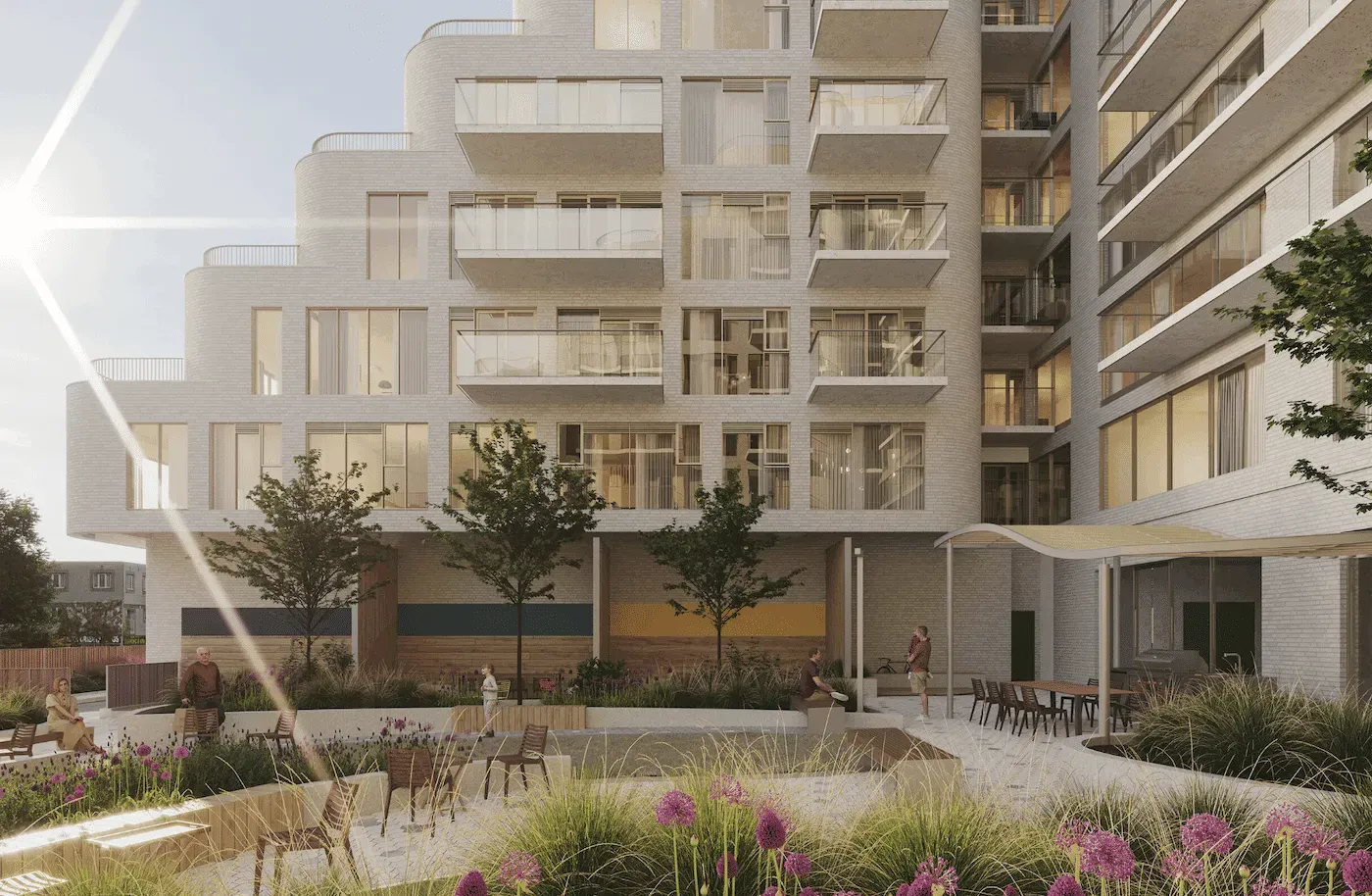
Modern residential building with curved facade and balconies, overlooking a landscaped courtyard with people and purple flowers.

Is Toronto Ready for Denser Living? Experts Weigh In

Discover whether Toronto is truly ready for high-density living, why buyer expectations are changing, and what experts say this means for future homebuyers.
Two small white house tokens with red roofs sit on a map of Canada, showing Quebec and nearby provinces.

Canada Unveils Public Land Plan for Affordable Homes

Canada plans to use public land to accelerate affordable housing development.

City skyline with warm lights reflecting on calm water at dusk, dark rocks in the foreground.

Bank of Canada Rate Cuts and Vancouver Affordability

How Bank of Canada rate cuts could impact housing affordability in Vancouver.

Sleek red Tesla Roadster and dark grey Tesla Model 3 driving on a highway, mountains in background.

Tesla Home Tech Converts Solar Into Family Income

Tesla’s home technology allows families to generate income from solar energy.