Insurance
Share


Not all flood policies protect what matters most. The best home insurance for flood risk areas covers structure, contents, and the real cost of recovery. Learn what good coverage actually looks like before the next storm hits.
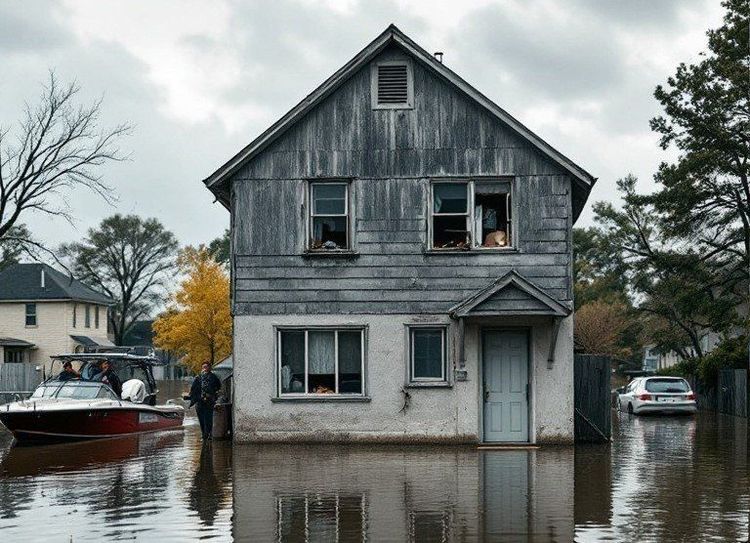
Flooding doesn’t wait for your policy to catch up. If your home sits in a flood zone, the wrong insurance can cost you everything—while still denying your claim. Some home insurance policies cover flood damage. Many don’t. This guide shows what to look for when searching for the best home insurance for flood risk areas, so you don’t get left with the bill after the water clears.
Homes in flood zones carry more than high premiums. They come with more risk, stricter terms, and fewer options. If you’re searching for the best home insurance for flood risk areas, you’re probably aware that not every policy will cover what actually matters. Here’s what to know before you sign anything.
Standard home insurance often excludes overland flooding. That includes water from rivers, lakes, melting snow, or heavy rain entering at ground level. Without flood coverage added to your policy, your claim might be denied—even if your house is a total loss.
If your property sits in a high risk flood area, insurance providers will likely require extra premiums for flood protection. Others may refuse cover altogether.
In many parts of Canada—especially Southern Ontario, British Columbia, and coastal towns—flood coverage can be hard to get. And when it is available, it’s often full of exclusions, limits, and fine print.
A good policy should include:
Flood water can destroy more than just furniture.
It soaks into building materials, damages insulation, ruins flooring, and reaches electrical sockets at ground level. If the policy only covers belongings, you’re on the hook for major repair costs.
The best home insurance for flood risk areas pays for full repair and cleanup—not just item replacement.

Buying flood coverage doesn’t guarantee full protection. Many insurance companies offer flood insurance coverage with layers of conditions that are easy to miss. Some plans cover structural damage but leave out contents. Others split water-related risks into separate categories—each with its own limits and rules.
For homes in a high risk area, even small gaps can lead to major out-of-pocket losses. Sewer backup is one of the most common exclusions. It may be listed separately and sold as an optional add-on. If you don’t add it before the event, claims will likely be denied. Storm surge and extreme weather might also be excluded unless they’re specifically named in your flood coverage.
Some insurance companies limit coverage if the flood source is drain water or surface runoff. That means if water enters from outside during a storm and damages your basement, your flood insurance coverage might not apply.
Always request a detailed product breakdown. Ask directly about exclusions that apply in your area. Review the sub limits for appliances, electronics, or furniture—many policies cap these items well below replacement cost.
The insurance bureau regularly receives complaints from homeowners whose claims were denied because of unclear exclusions. Learn from those cases. Read the policy’s flood insurance FAQs, especially the section that explains what is typically covered—and what is clearly not. A “comprehensive” label means nothing without the fine print to back it up.
Living in a flood risk area often means paying higher premiums. Insurers use flood zones, historical data, and elevation maps to assess the threat. If your address has a history of flooding, the rate goes up. Even homes near water—but not previously affected—can be flagged due to climate change trends.
Other things that raise your cost:
Some companies might still insure you but with strict conditions. You may need a flood inspection report or upgrades before getting approved.
If your regular insurer refuses coverage or quotes an extreme premium, try a flood specialist insurance broker. These brokers work with insurers who focus on high risk properties. Some offer custom terms for Canadian homes near lakes, rivers, or sea-level areas. They also understand how to bundle flood coverage with contents insurance, buildings insurance, and even storm surge protection.
A good specialist insurance broker will also know how to explain policy conditions clearly. They’ll walk you through flood-specific requirements and suggest cover that fits your property—not just generic plans. It’s also worth asking about add ons for sump pumps, burst pipe coverage, or optional coverage for other water risks.
The national flood insurance program (where available) gives some financial assistance—but often only after disaster strikes. It does not act like private insurance and may only provide partial support.
That means recovery can take longer, cost more, and leave you with unexpected other costs.
Most homeowners in Canada still rely on private coverage. So it’s important to get the right home insurance policy before floodwater ever reaches your door.
Ask your insurance agent or provider:
Some insurers have a flood warning clause that blocks claims if a warning was issued before purchase.
Others won’t process a claim unless you can prove your sump pump was working.
Ask now—before you’re knee-deep in flood water.
Finding the best home insurance for flood risk areas means more than comparing prices.
It’s about matching your real risk with the right protection—and getting it in writing.
Start by knowing the threats to your home, then choose coverage that actually holds up when water rises.
Disclaimer: This blog post is for general information only and does not constitute personalized advice. Please consult a licensed insurance broker to determine the insurance solution that best fits your specific needs.

Thinking of purchasing a condo? Learn what condo insurance is, what it covers, and why it matters before you buy so you can protect your home smartly.

Find out what Ontario homeowners actually pay for home insurance in 2026, what drives your premium up, and simple ways to cut costs without losing coverage.

A high home insurance deductible saves money on premiums—until a burst pipe floods the basement and that "savings" becomes a painful surprise. Your

Wondering what home insurance costs in Toronto? Get 2026 rate breakdowns, provider comparisons, and tips to save on your premium without cutting coverage.

Not sure which homeowners insurance is right for you? Compare top Canadian providers, real costs, and coverage tips to choose the best policy confidently.

Understanding the real difference between seasonal vs secondary home insurance can prevent denied claims and major out-of-pocket losses. Insurance


